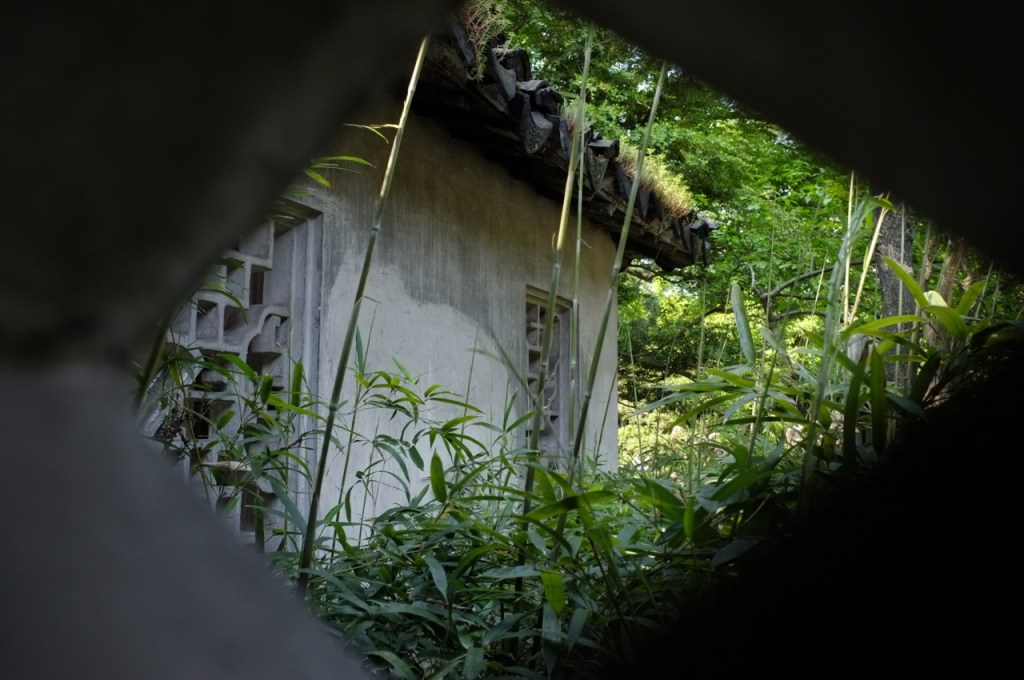
上有天堂,下有苏杭
In heaven, there is paradise. On earth, Suzhou and Hangzhou.
I love this quote, which is often attributed to Marco Polo.
The first time I heard it was some 10 years ago when I worked for Banyan Tree and the company was opening a hotel in Hangzhou. I visited Hangzhou in 2010 and have fond memories of unhurried conversations over hot longjing tea, gliding past mangroves in a hand-rowed boat.
Suzhou, however, took a little longer to get to, but I finally made my way there last summer.
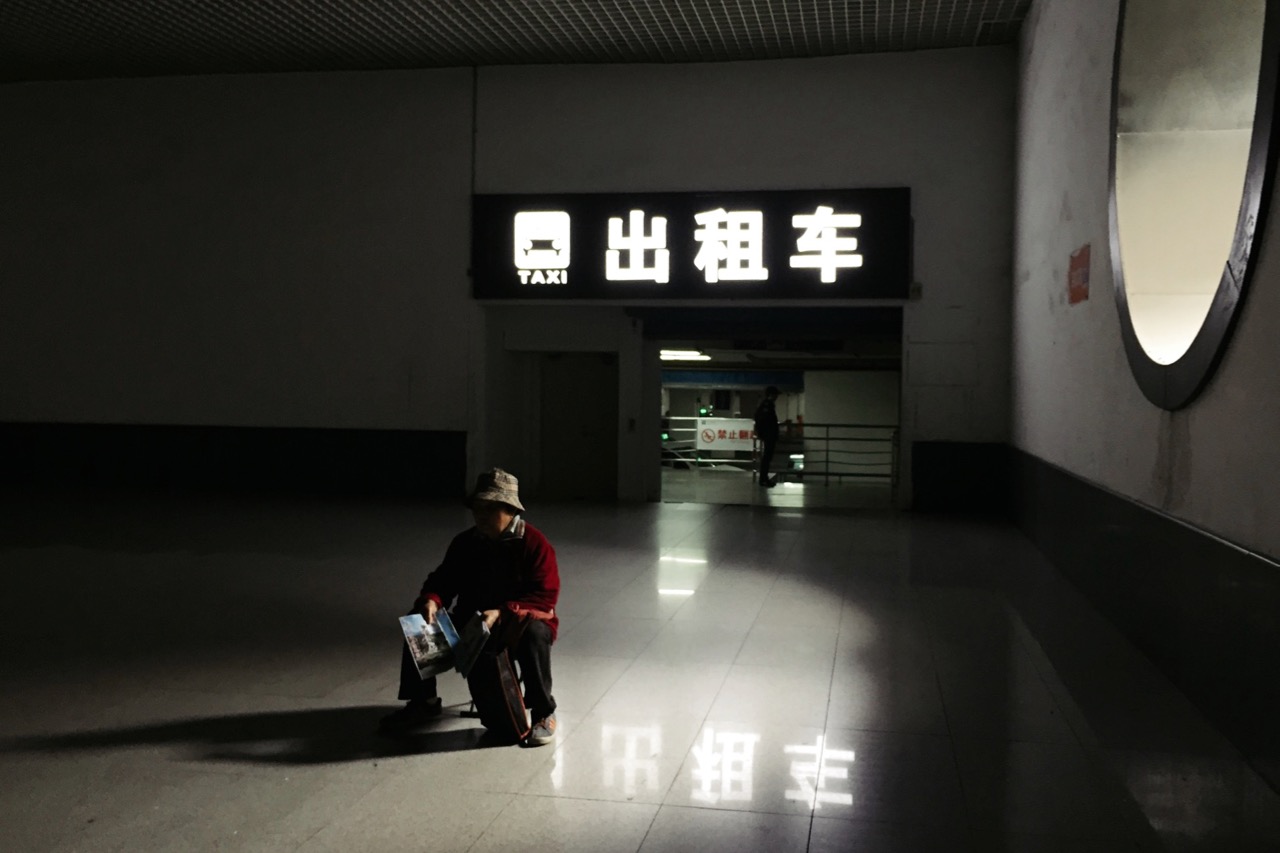
AB and I were in Suzhou for only three days. The high-speed train from Shanghai took a mere 20 minutes. Alighting from the train, we descended into an empty cavernous hall and followed the signs to the taxi stand.
Our ride zipped along a smooth highway and soon dropped us off at our hotel in the Suzhou New District commercial area where we were surrounded by new high-rise commercial and residential buildings, wide roads, and spacious modern parks. Suffice to say, our first hour in Suzhou was incongruous with what we had imagined the ancient city to be like.

Many people associate Suzhou with its classical Chinese gardens. Designed to recreate natural landscapes in a contained space at a miniature scale, Suzhou’s classical gardens date back to the sixth century. Once upon a time, dotted amidst an intricate network of canals, there were as many as 200 gardens in Suzhou’s historic city centre.
Today, less than 60 gardens remain, of which nine were collectively designated a UNESCO World Heritage Site in 1997.
The “Classical Gardens of Suzhou” include the Mountain Villa with Embracing Beauty, the Garden of Cultivation, and the Retreat & Reflection Garden – all bearing poetic names that end up with literal English translations. Dating from the 11th to 19th century, these exquisite creations are regarded as masterpieces of the Chinese “Mountain and Water” gardens 山水园.
We set aside one day for garden-hopping as AB had to work on the other days. We decided to visit a couple of the UNESCO gardens and two lesser known gardens to see if there were any discernible differences to casual visitors like ourselves who do not have a profound knowledge of this art, or would the saying “if you’ve seen one, you’ve seen them all” hold true.
Humble Administrator’s Garden 拙政园
Our first stop was the Humble Administrator’s Garden, the largest and one of the more famous of the nine UNESCO gardens.
We arrived within the first hour of its opening, thinking that there would be less people. We were wrong. The entrance was swarming with people. Or as one would say in Mandarin, 人山人海, which literally means “people mountain, people sea.” Most of the visitors were Chinese travellers in large groups, led by tour guides talking out loud about the garden’s history. We had to look as we walked as an occasional selfie stick would poke into our faces from nowhere.
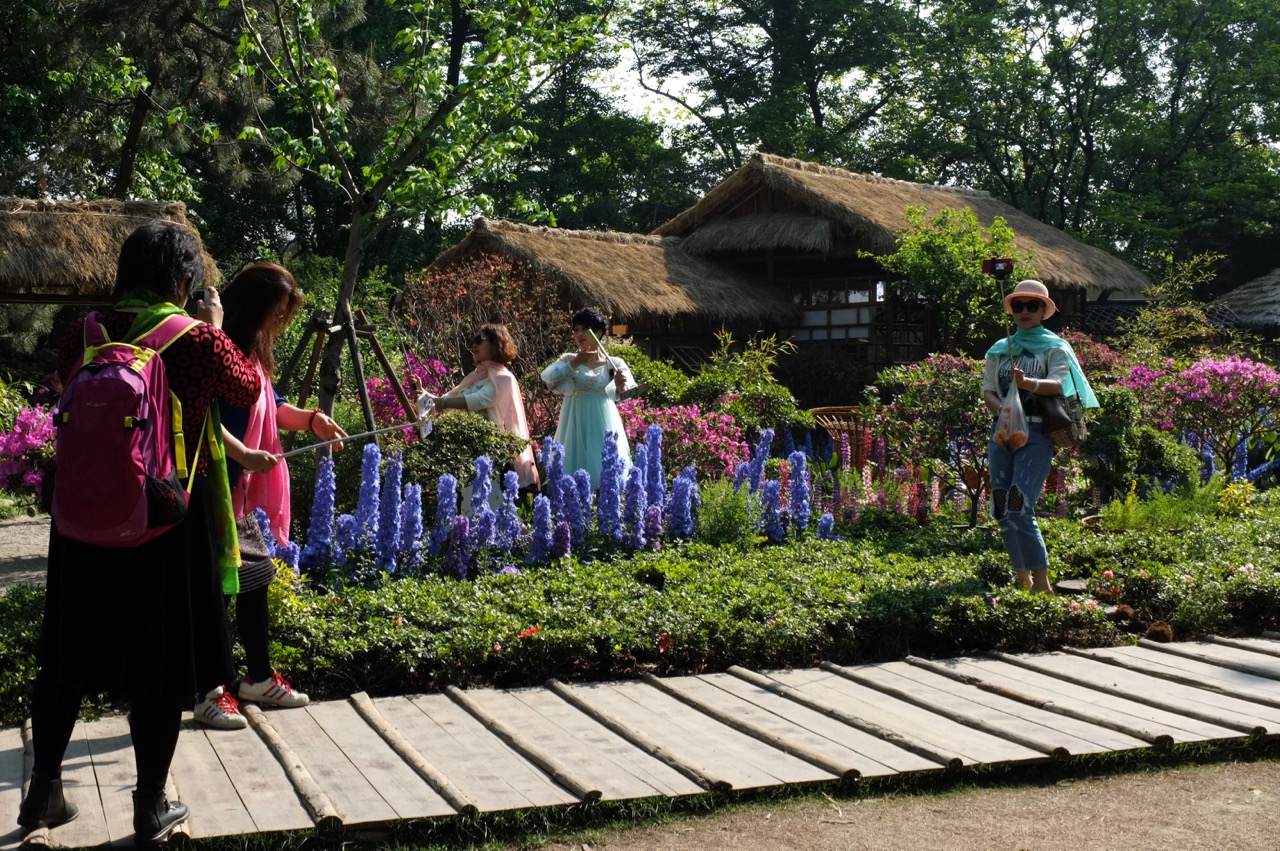
Contrary to its modest name, the Humble Administrator’s Garden was immense. It was originally built in 1509 to be the private garden of a retired government servant. It was later sold and passed through different hands, gradually transforming through various iterations.
We tried to find quiet corners to get away from the crowd but had little success, so we decided to move on.
Half Garden 半园
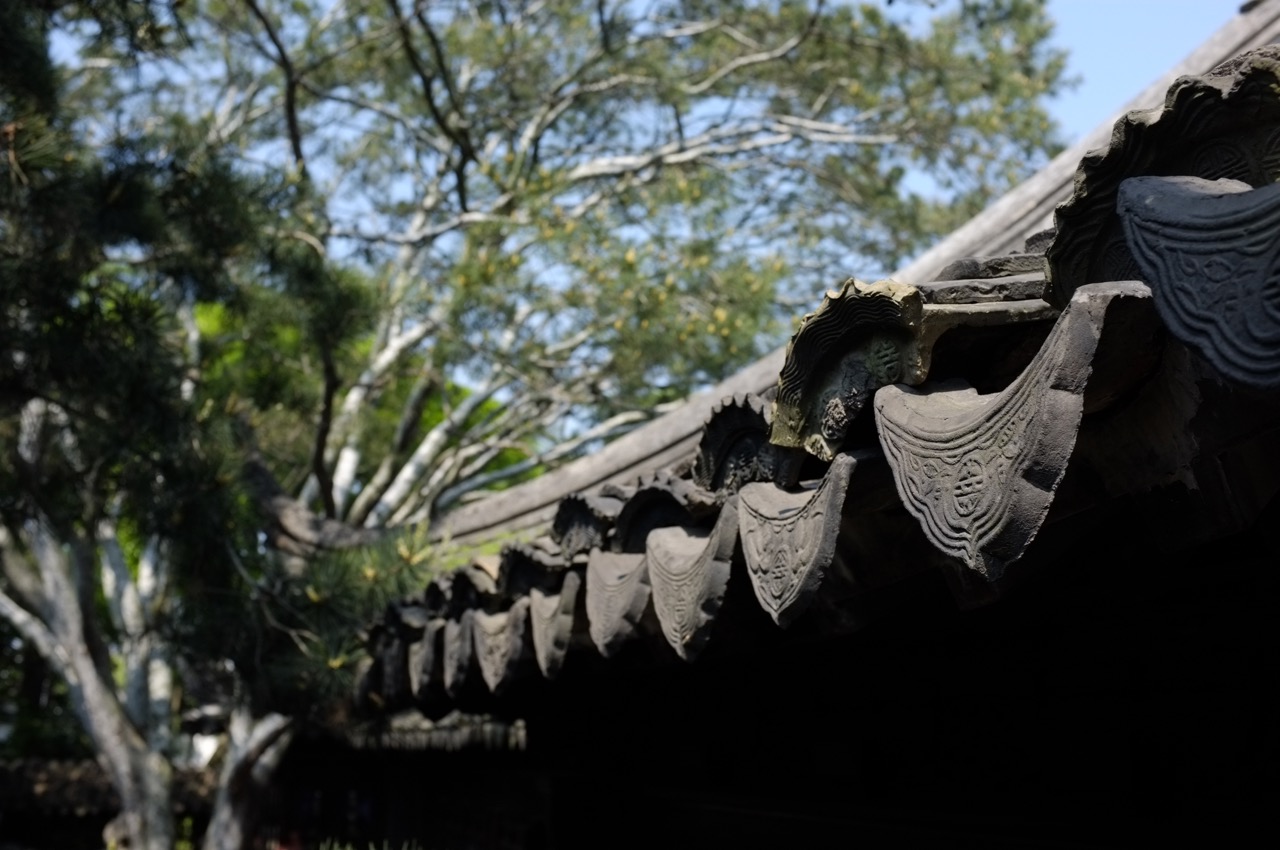
The Half Garden (60, Baita Donglu, 白塔东路60号) is part of the Scholars Hotel on Baita Dong Road, a short walk from the end of Pingjiang Road.
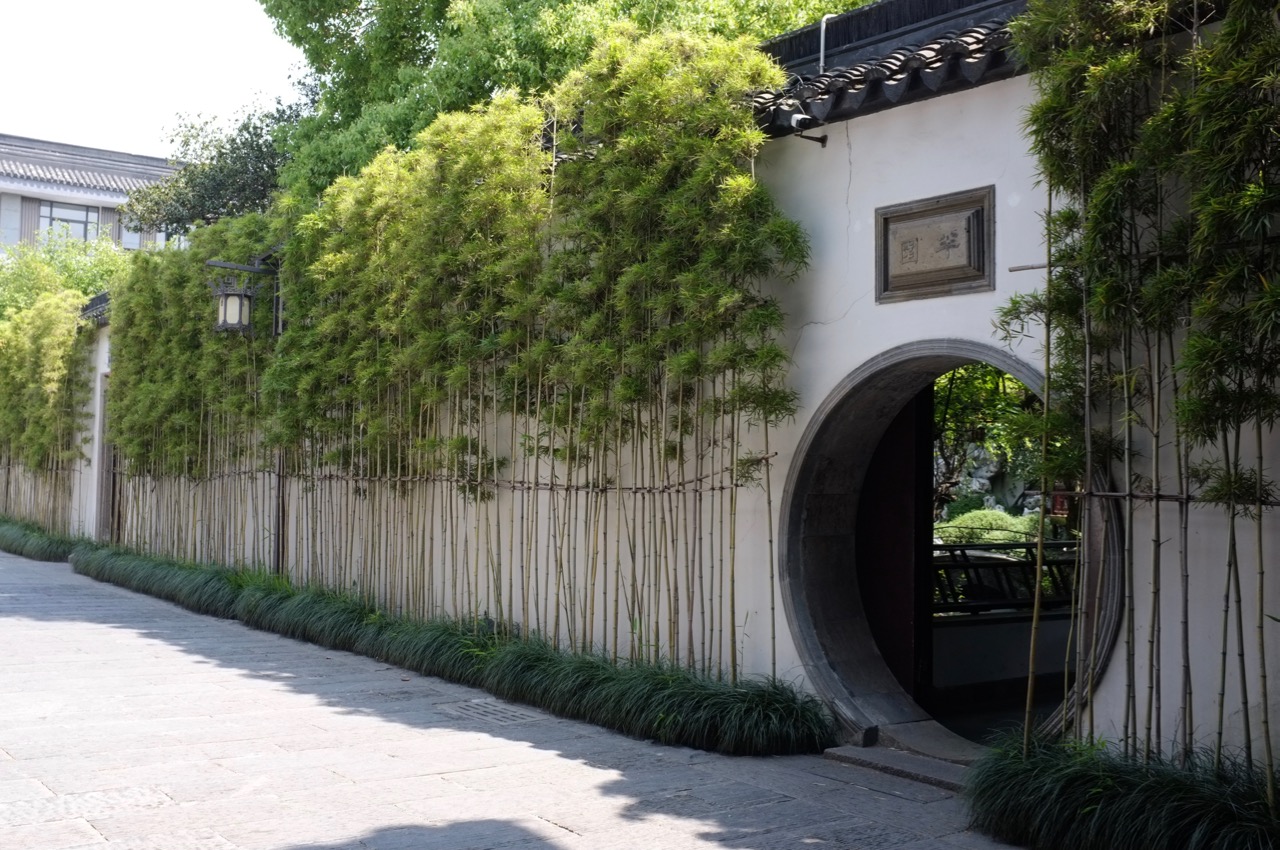
A curious detail of this small garden is that most of its key features – from the bridge to the pagoda – are designed in halves. This underlines its design philosophy, which is that the key to happiness is to be content with what you have, even when they come in halves.
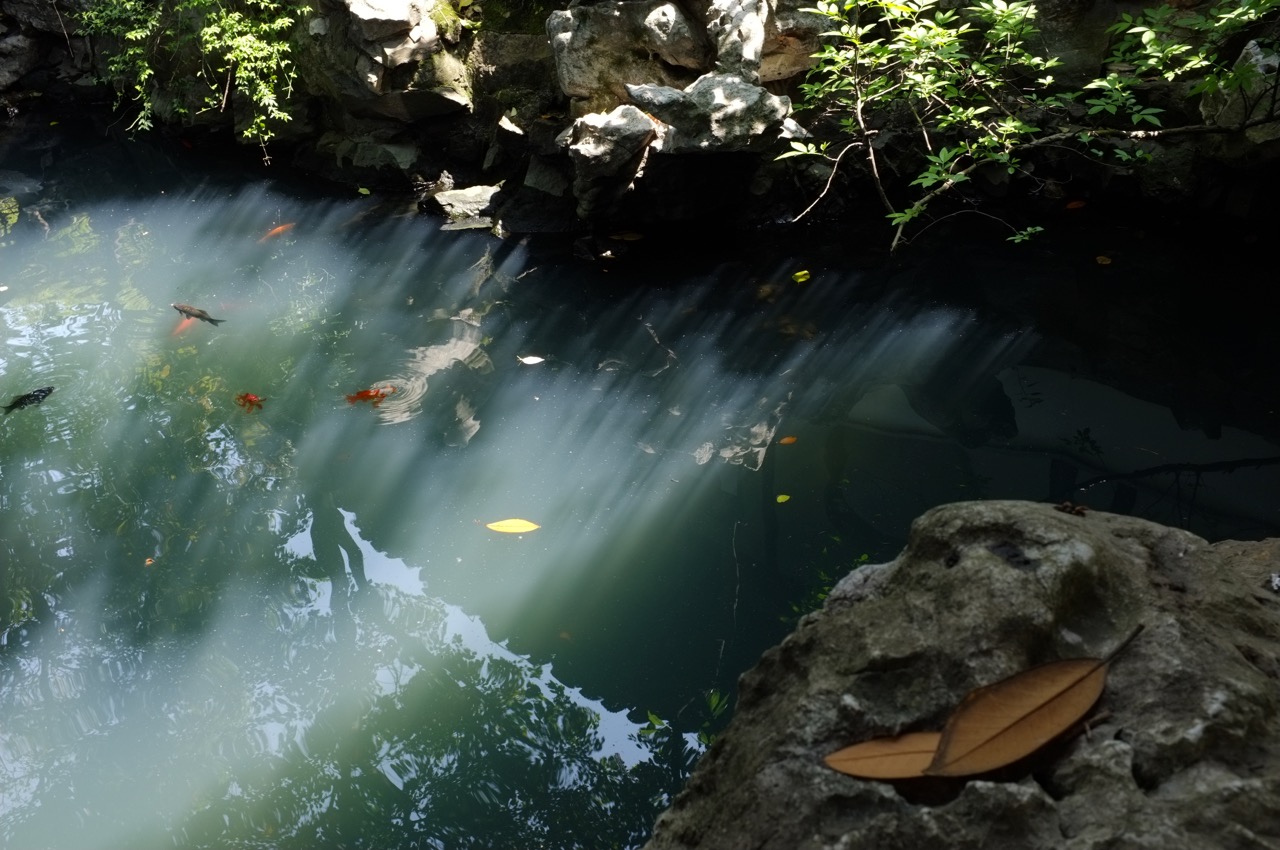
There was only one other person visiting Half Garden when we were there. The space was tranquil as a garden should be, with ample space for one to observe the koi swimming in the pond and to breathe. No selfie sticks either.
Pingjiang Road 平江路
Several of the travel guides I read recommended a visit to Pingjiang Road, a historic street that has been preserved and is listed as one of China’s “历史文化名街,” which literally means “famous historical and cultural street.” It was a short walk from Half Garden, so we went over.
I should have known better. Anywhere in China that is in some sort of famous historical places list is likely to be brimming with visitors and a tourist trap. Sure, most of the buildings on the street along the Pingjiang River had been restored but most of the businesses that occupy them were selling the same mass-produced junk. It was bewildering that they had brisk business.
Good news is that you can easily escape the humdrum by crossing one of the many bridges along the river.

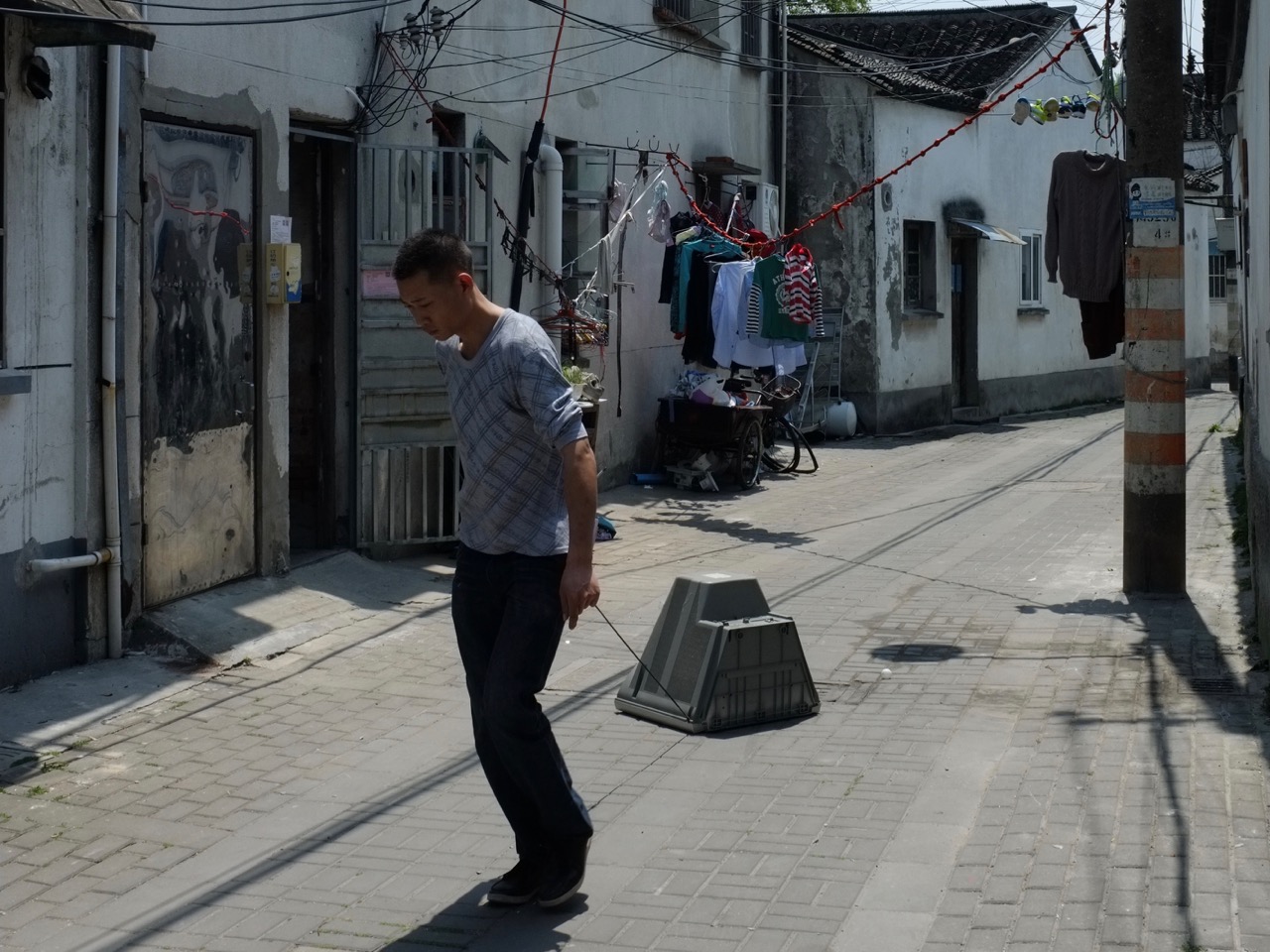
We ended up in a mini labyrinth of traditional houses where an occasional turn would lead to a dead end or another tiny street lined with colourful laundry hanging out to dry. It was a refreshing change from the tourist trap across the river. Here was where regular people live, never mind that the exteriors of the formerly white-washed buildings were crumbling.

The quiet was suddenly broken by a loud grating rumble. A man passed us briskly, dragging a chunky television on a rope behind him on the road!
Garden of Cultivation 艺圃园
After walking for a couple of hours, we finally made it to the Garden of Cultivation (5, Wenya Alley, Pingjiang District 平江区文衙弄5号) that is tucked away in a small old lane near the Shantang Jie historic area.

Three young men were loitering at the entrance and, upon seeing me approach, asked if I had a Chinese bank account. It turned out that they had no cash on them to pay the entrance fee and wanted to know if I could help them and they would repay me via WeChat Pay.
This moment epitomised how China had become a far more cashless society than any other place I had known. Anyway, the entry fee was a token RMB10, approximately US$1.50. So I told the boys – they were university students from the north visiting Suzhou – that they didn’t have to pay me back.
The centre of the garden is dominated by a wide pond lined with lush greenery including Japanese maple trees in their autumnal colours. The teahouse by the pond is a lovely spot to take a breather as you sip on hot tea and crack open melon seeds.
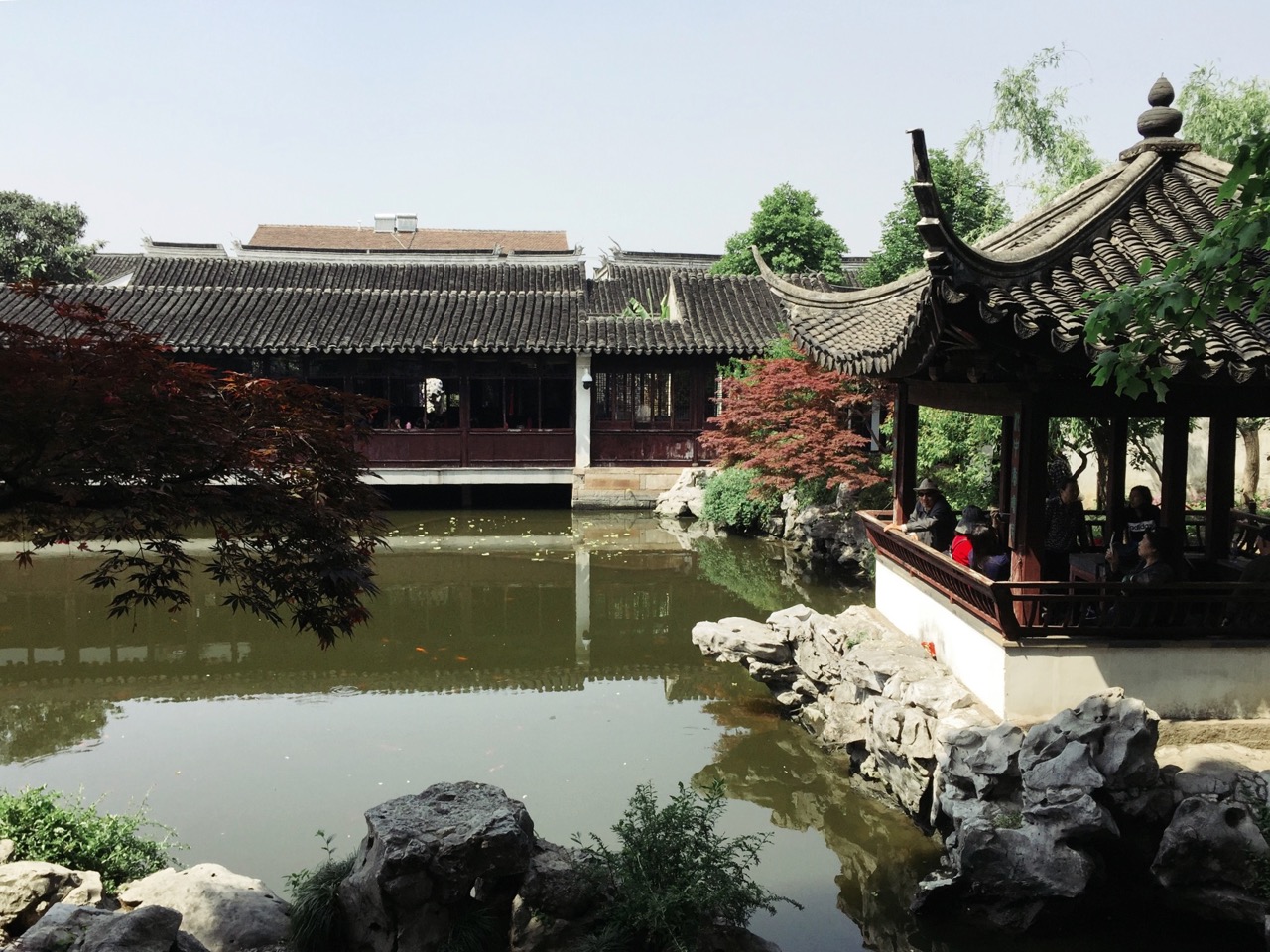
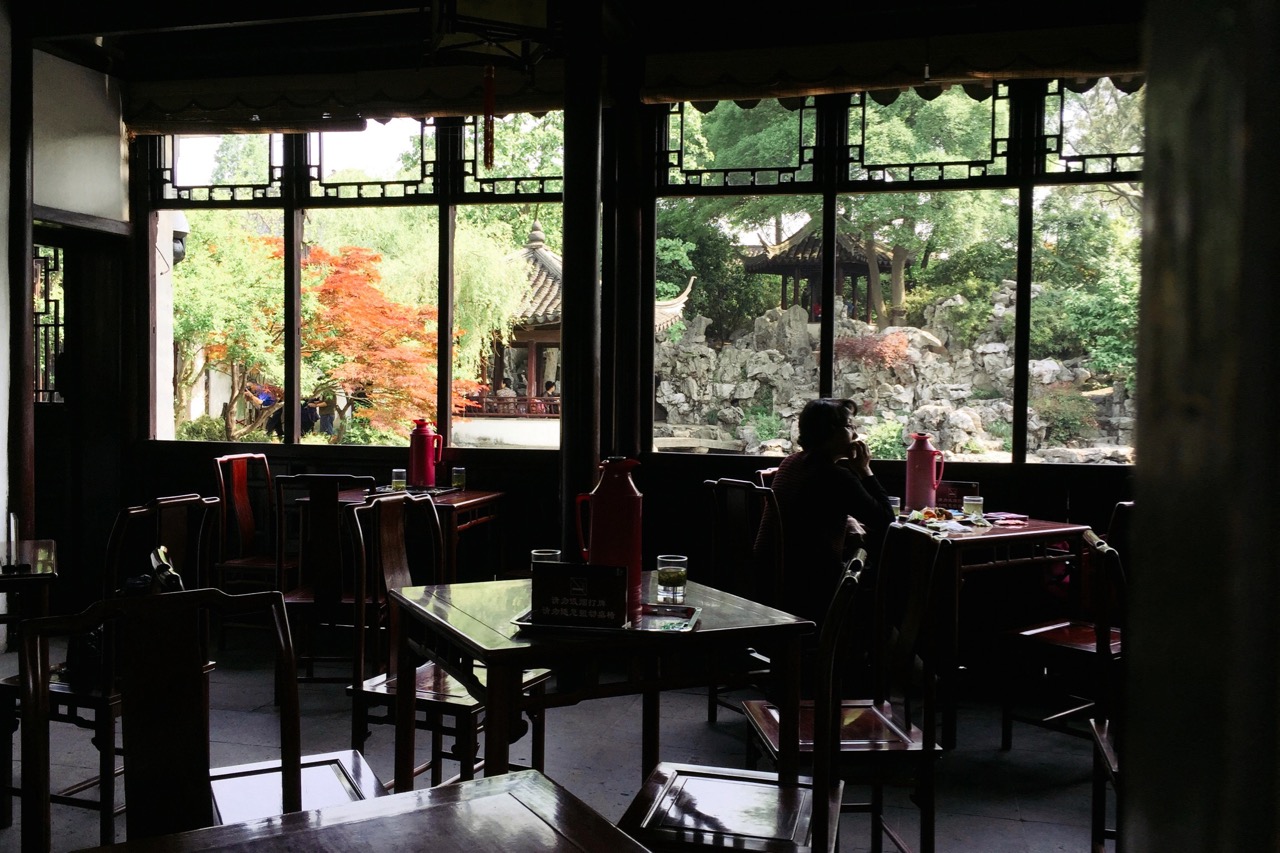
While there were several visitors in the garden, they immediately seemed different from the selfie stick-touting tourists we encountered earlier in the day. Dare I say this – most of the people appeared to be more refined, and spoke quietly instead of yakking at the top of their voices. Many of them were visibly enjoying the garden and its charming surroundings instead of going camera-mad.
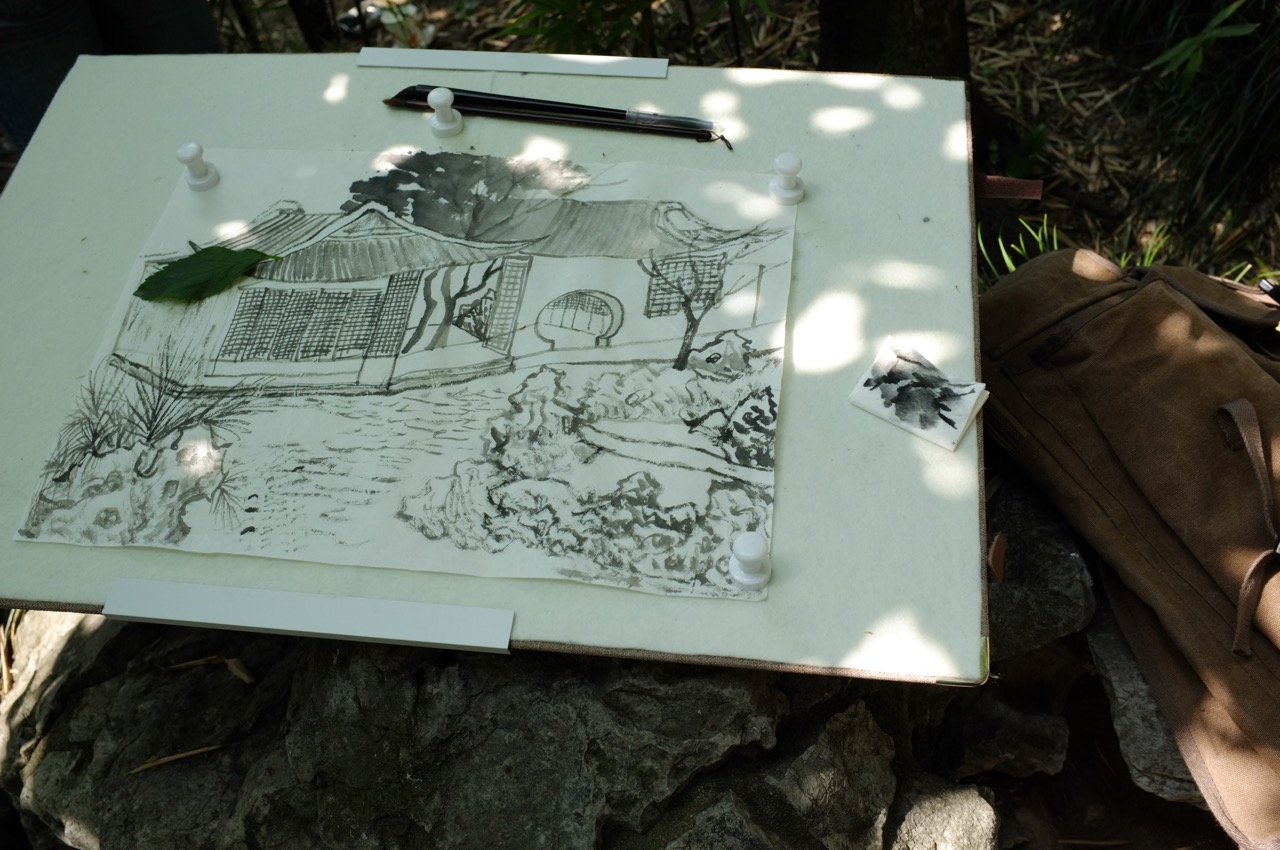
Am happy to report that the overall mood here was more contemplative and peaceful than what we experienced at the Humble Administrator’s Garden.
Lingering Garden 留园
Our final stop was Lingering Garden, one of the most famous gardens in China and a UNESCO World Heritage Site. After our morning at the Humble Adminstrator’s Garden, we were apprehensive of what awaited us.

It was a tremendous relief to find out that we had arrived less than an hour before closing time. While we had a limited time to wander and explore the grounds, the few tour groups that were present were on their way out. Which meant that there were significantly fewer people lingering in the garden and its magnificent halls.

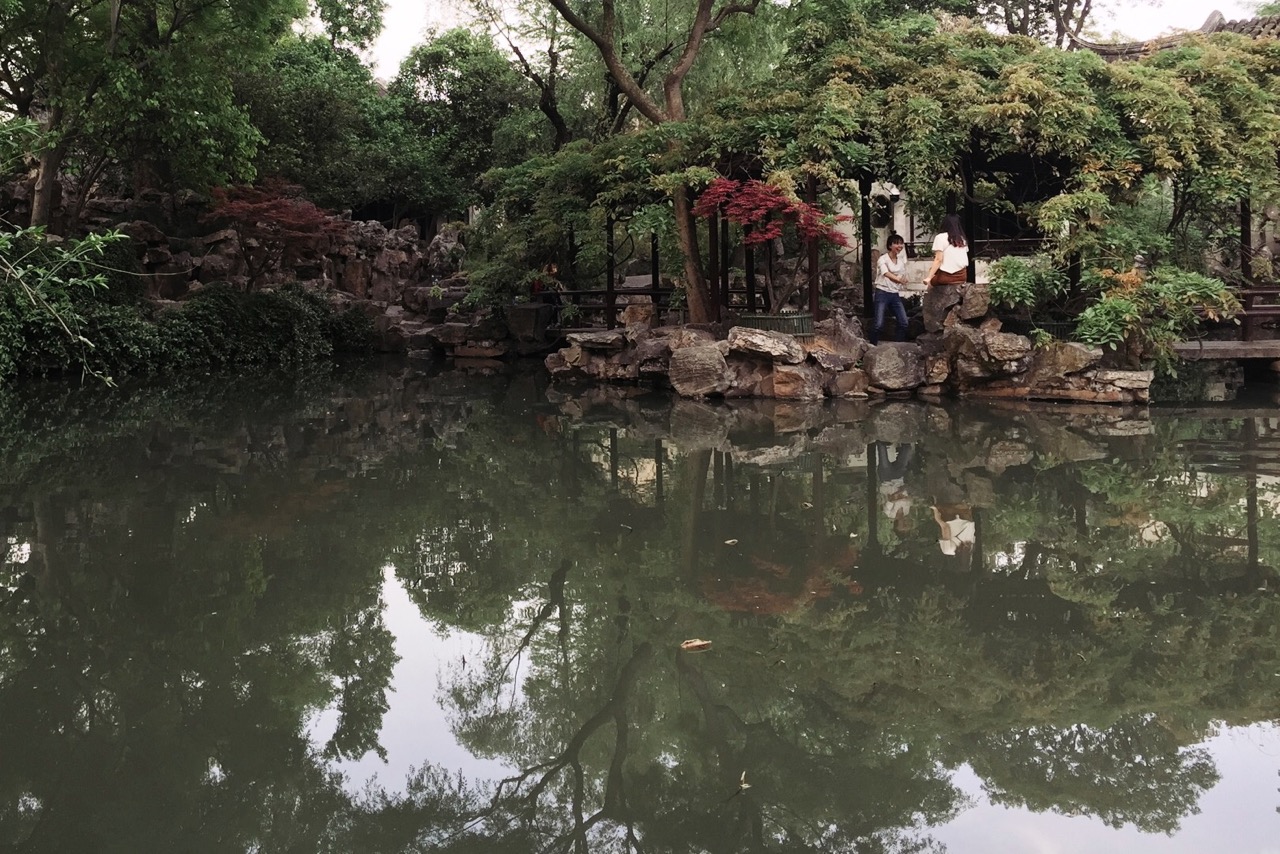
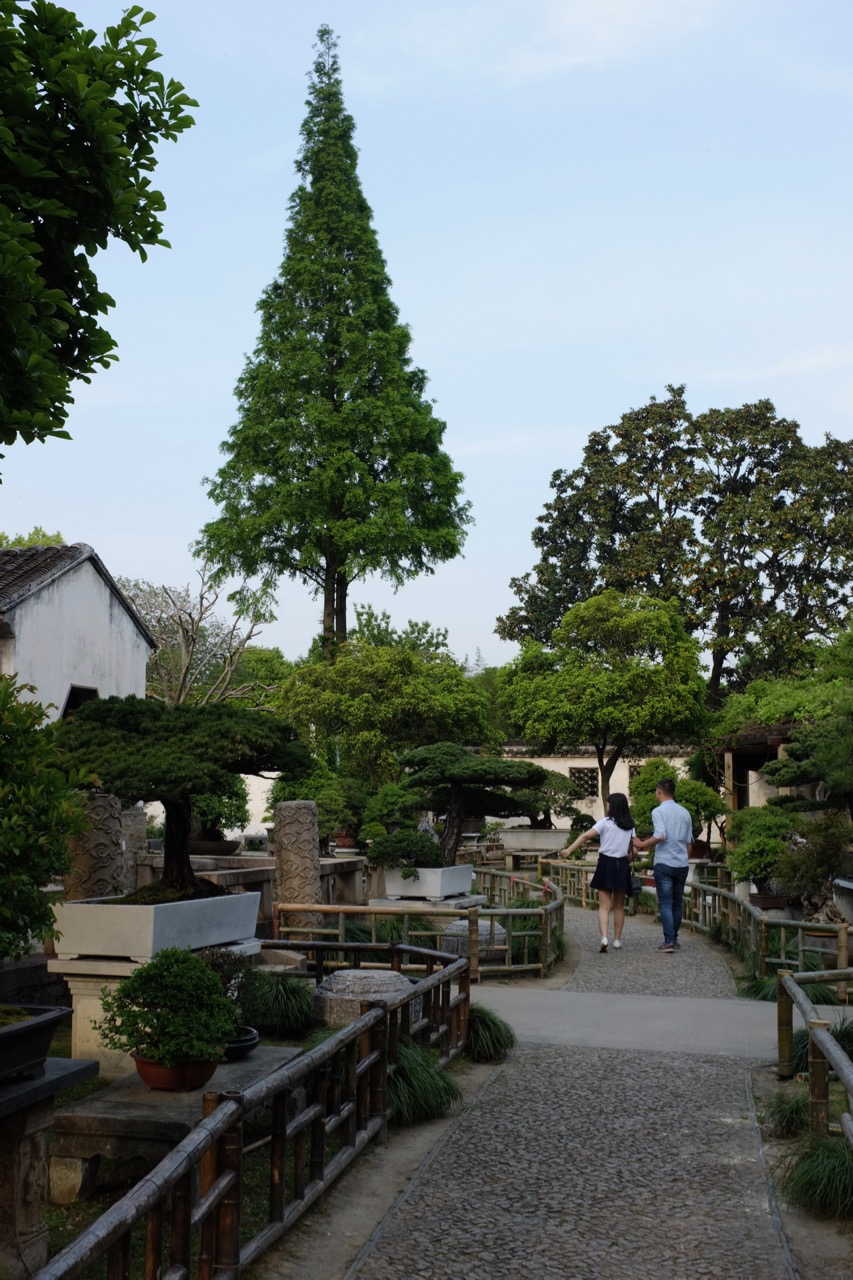
The bonsai garden at the back was an unexpected bonus too.
Final thoughts
I’m glad to have finally visited Suzhou. The few gardens that we saw attest to the historical city’s reputed charm and beauty. If I were to be in Suzhou again, I would avoid the famous gardens and instead explore the lesser-known ones which I think I will enjoy more in the absence of the overwhelming crowds.
P.S. I’ve been procrastinating this post for about half a year. No good reason for doing so. I moved back to Hong Kong, started a new job, have been preoccupied with my family as my mum’s ill, and spent too much time staring at my phone…
I decided this evening that I’ve had enough of this inertia. That I have to stop being pedantic and resist the urge to research to death everything that I plan to write on.
So here you go, a short post on my observations from our short visit to Suzhou. If you wish to read more about the gardens highlighted above, there’s always Wikipedia and its Chinese equivalent, Baidu 😉


Join the Conversation