“渝” is the abbreviated name of the city of Chongqing (重庆). The city has had different names over the course of history. In 581 AD, Emperor Wen of the Sui dynasty named it “Yu Prefecture,” with “Yu” remaining in use today.
The “渝” character means “change,” used in idioms such as “始终不渝” (steadfast) and “忠贞不渝” (unwaveringly loyal). A curious observation: It is often used in a negative form, “不渝,” in such sayings.
Why bring up this detail? Chongqing, like many cities in China, has changed dramatically over the recent decades with the country’s economic reform. Yet, it appeared – to me, a first-time visitor – that many quotidian interactions had remained the same.
Yuzhong District (渝中区), where we stayed, literally means “Central Yu”. Here, where the Yangtze and Jialing rivers intersect, was where the old city of Chongqing stood. Today, it remains the city’s political, economic and entertainment centre.

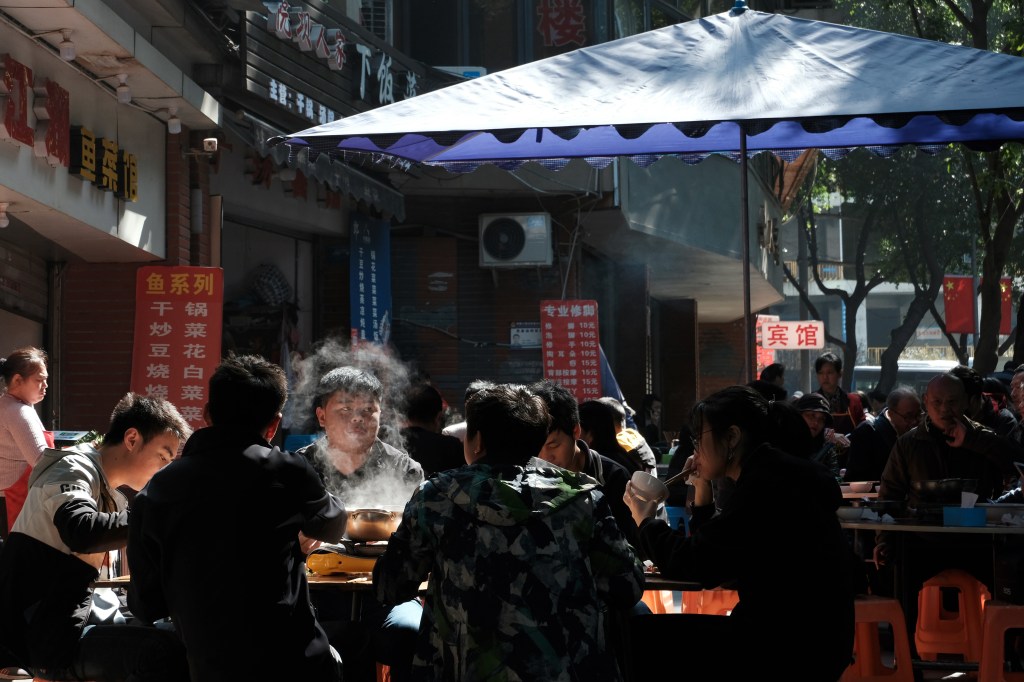
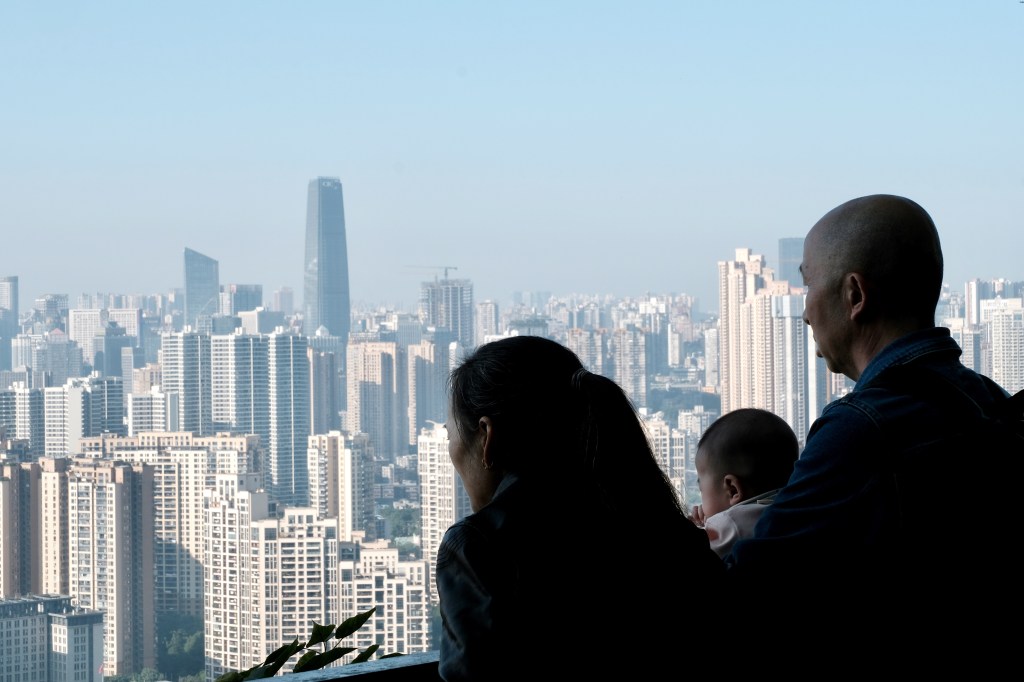
Contrary to the imposing concrete jungle visible from our room on the 26th floor, everyday life on the streets felt human-scale. The neighbourhood where we stayed had many low-key eateries and shops. Elderly carrying infants in straw baskets on their backs would be browsing in the open-air markets or chatting with their friends. Most people didn’t seem to be in a hurry.

Dancing is a popular pastime in Chongqing, like most places in China. We saw dolled-up grandmothers rehearsing choreographed moves with plastic flowers. In the evening, People’s Square (重庆人民广场) was abuzz with men and women dancing in synchronised groups. What was more impressive was how everyone promptly gathered their belongings and dispersed the moment it was 9pm even though there was no announcement or bell indicating the time!

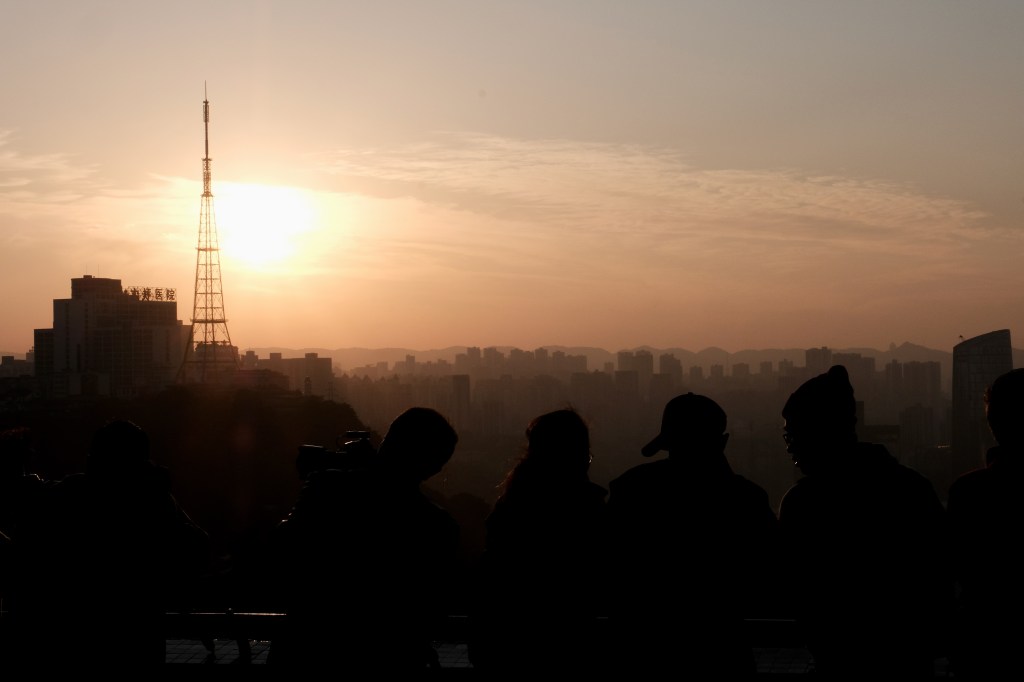
We visited Eling Park (鹅岭公园) twice. Built in 1909, this was one of the earliest private gardens in Chongqing. Situated on a top of a hill, the park is a great spot to enjoy panoramic views of the city, especially at sunset. Set amidst its manicured gardens is a pagoda-like tower. Don’t be put off by its tacky exterior. As you climb and wind your way up the structure, you would be rewarded with cool views. Provided that there’s no smog, of course. We spotted ships gliding along the rivers, people hanging out on rooftops, even the monorail passing through the building that houses Liziba Station.


We stopped at 鵝嶺休閒茶藝中心*, the park’s “tea and leisure centre” for a drink. Playing mahjong was the primary activity here amongst its elderly patrons. We were the only customers under 40. Even though there were several tables of mahjong players, it was unusually quiet. I eventually realised that it was because the tables were motorised. Meaning, no manual shuffling and arrangement of the tiles was needed. Convenient, yes, but it would take some of the fun out of the game for me.
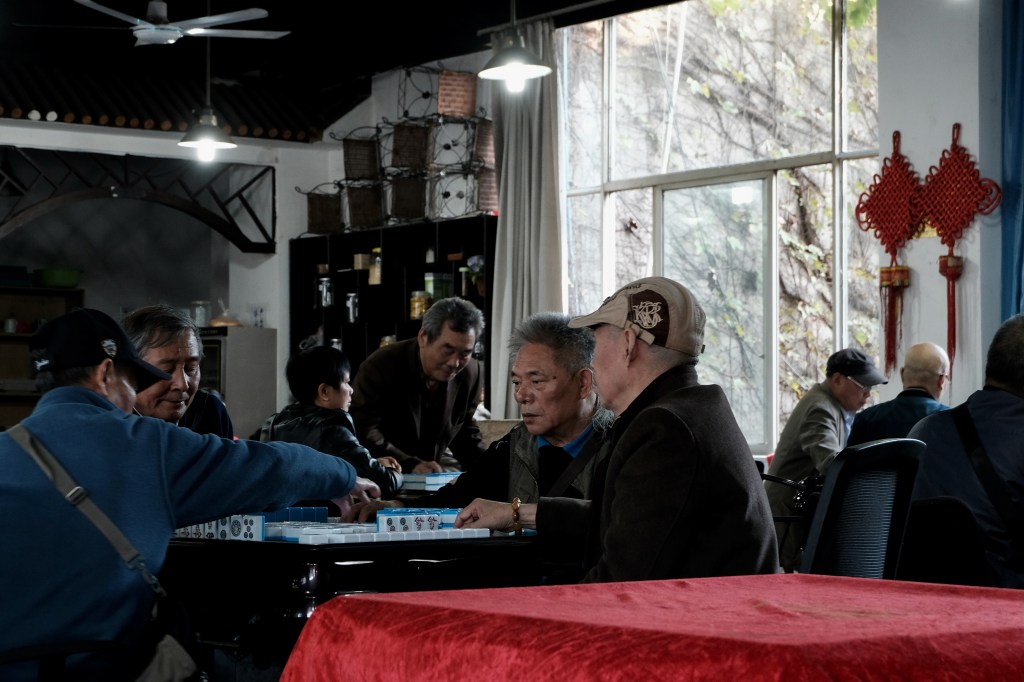
鵝嶺休閒茶藝中心 in the day 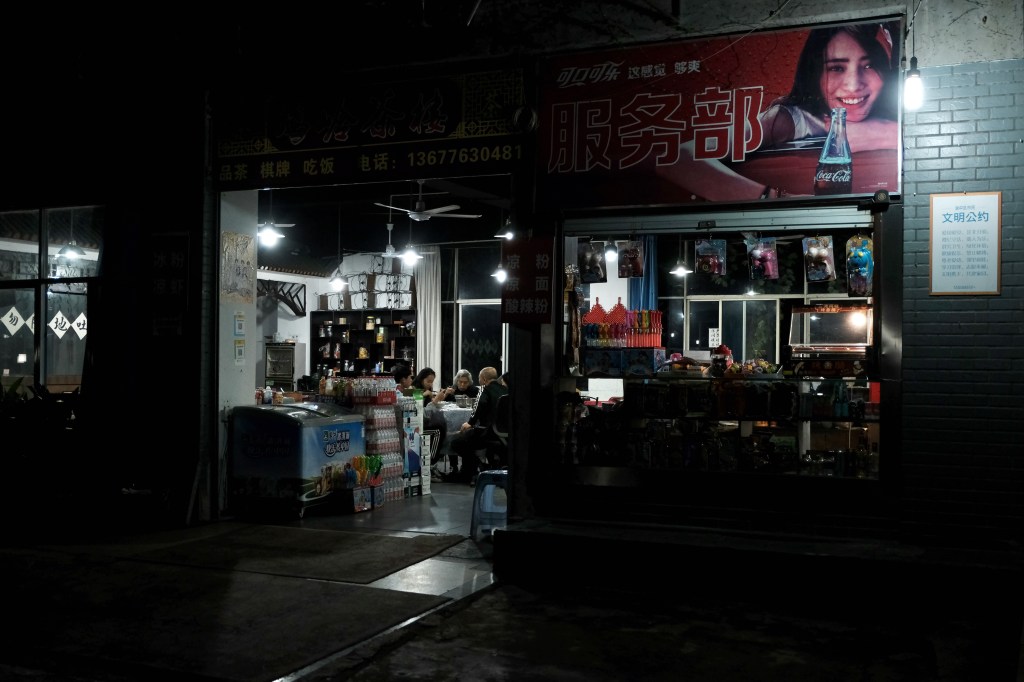
鵝嶺休閒茶藝中心 after hours
Many say that Chongqing cuisine is more hearty with robust flavours compared to that of its neighbour, Chengdu. We had hotpot twice – including a mediocre dinner at a hotpot restaurant chain where the soup solidified as it cooled which we suspected was made mostly with palm oil. At another place, we struggled to finish a huge dish of chopped chicken and potato in a spicy, oily broth – it was tasty but it was too much of a good thing.

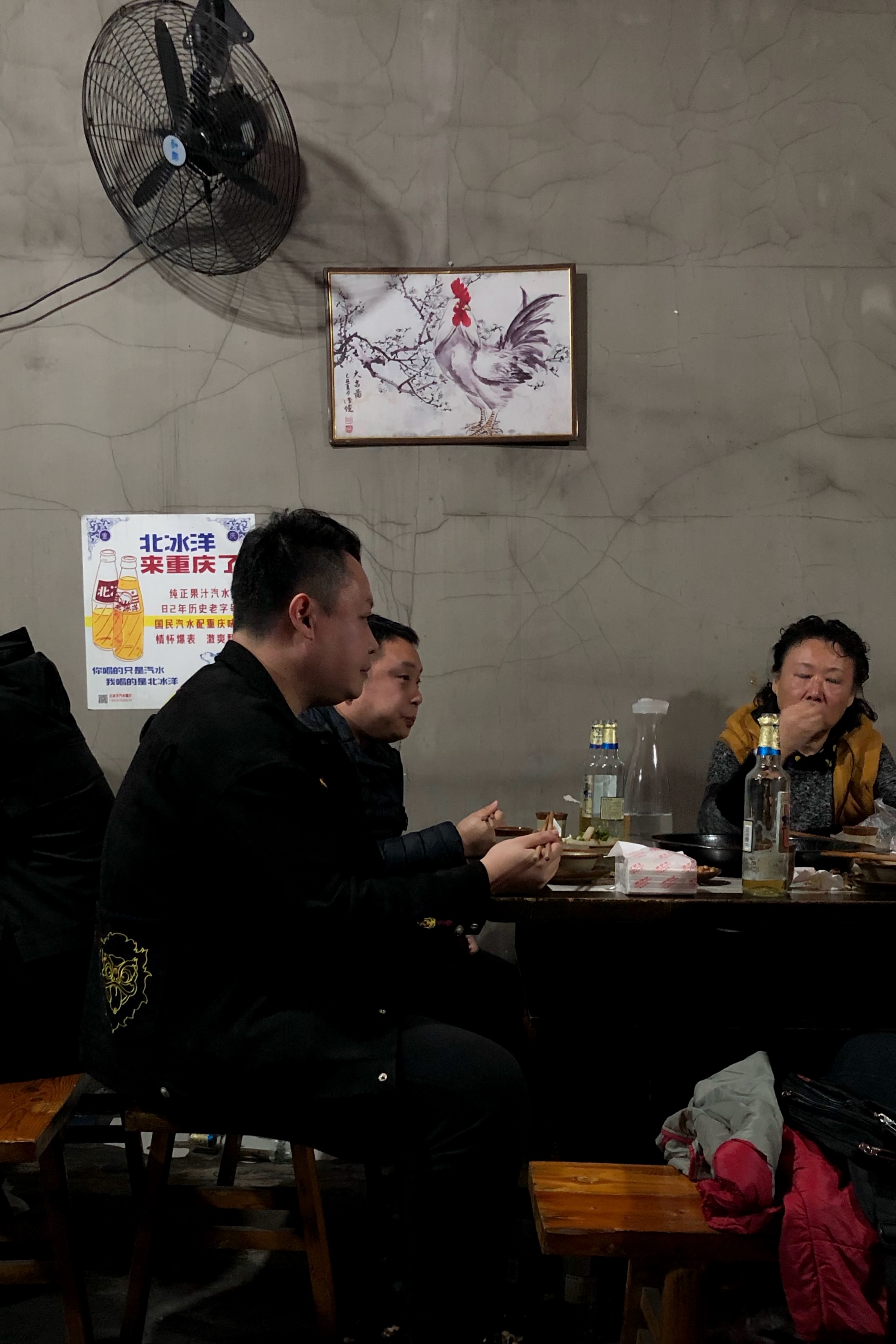
Fortunately, we had better meals at other local spots I found on Dianping, a Chinese restaurant review site.
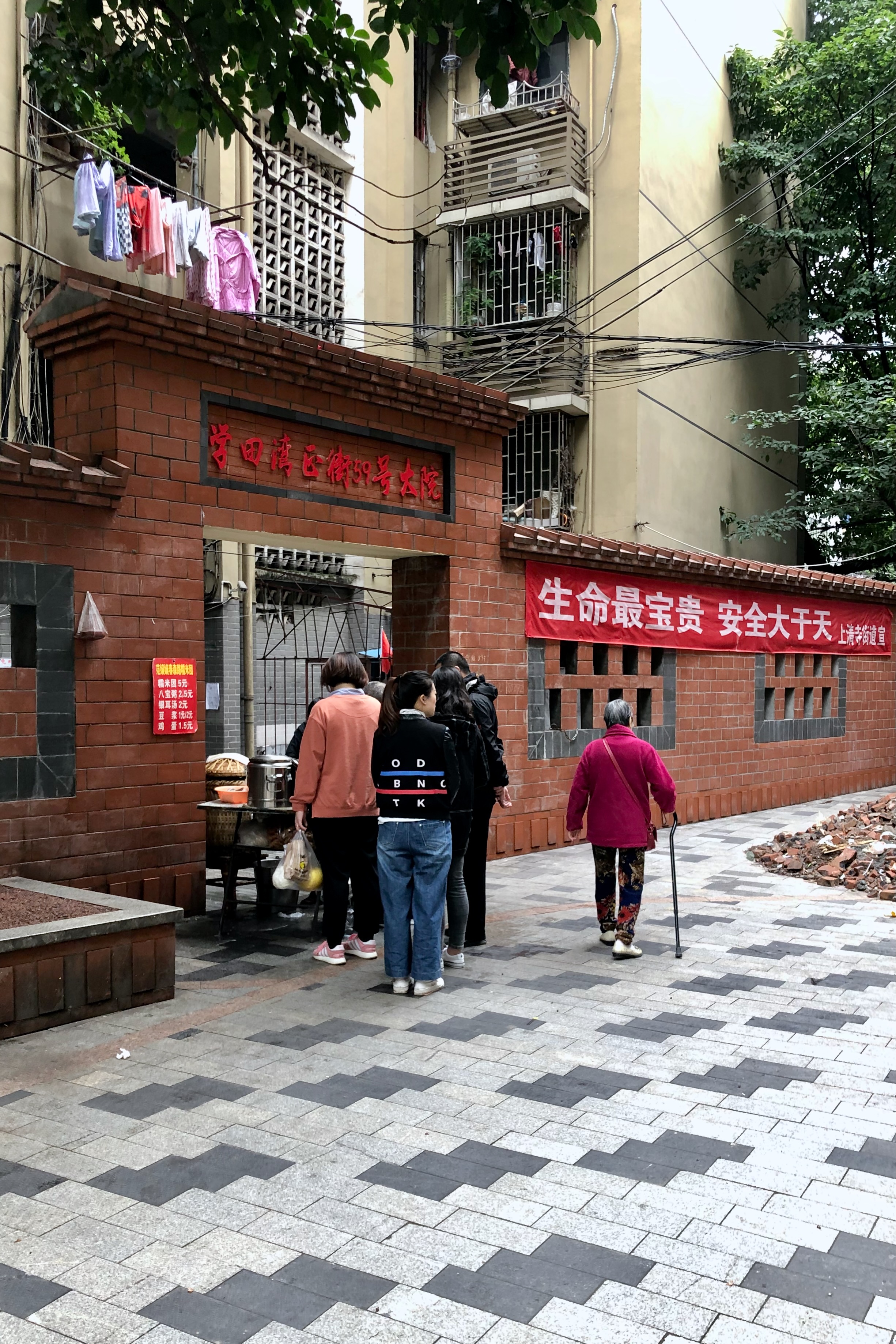
For breakfast, I had read about a couple who sold glutinous rice rolls in a push cart nearby. It was easy to find 范嬢嬢春森路糯米团. Placing some pickled vegetables and fried dough fritters in the middle of a layer of rice, the lady boss would grab two ends of the cloth on which everything laid, twist and tighten it all into a compact roll in one deft movement. The final touch was to roll it in a bed of sweet crushed peanuts. Following which she accepted payment (in cash!) and returned the change, all with a pair of chopsticks. I had a soft spot for this crunchy, savoury-sweet snack and decided to have a second serving on our final day. When we returned, she immediately recognised us, probably because it was rare for them to have a Caucasian customer.


Another satisfying find was 董记山城碗碗香, a hole-in-the-wall near our hotel. It’s a little grimy and the space could do with some scrubbing. But the food was cheap and good (and we didn’t get sick). The concept reminded me of what we call “economical rice” in Singapore. Except that the pre-cooked food was already placed in small bowls and stacked on a large table. All we had to do was point to the dishes and someone brought them to our table with a large metal dish of rice.


Our most memorable meal in Chongqing was noodles in an alleyway. It took us a while to find 梯坎面 as its location wasn’t clearly marked on the map. All I could gather was that it was near some steps. After climbing up and down several stairs trying to locate the stall, we eventually spotted its sign down a nondescript alley. By then, we had worked up an appetite.

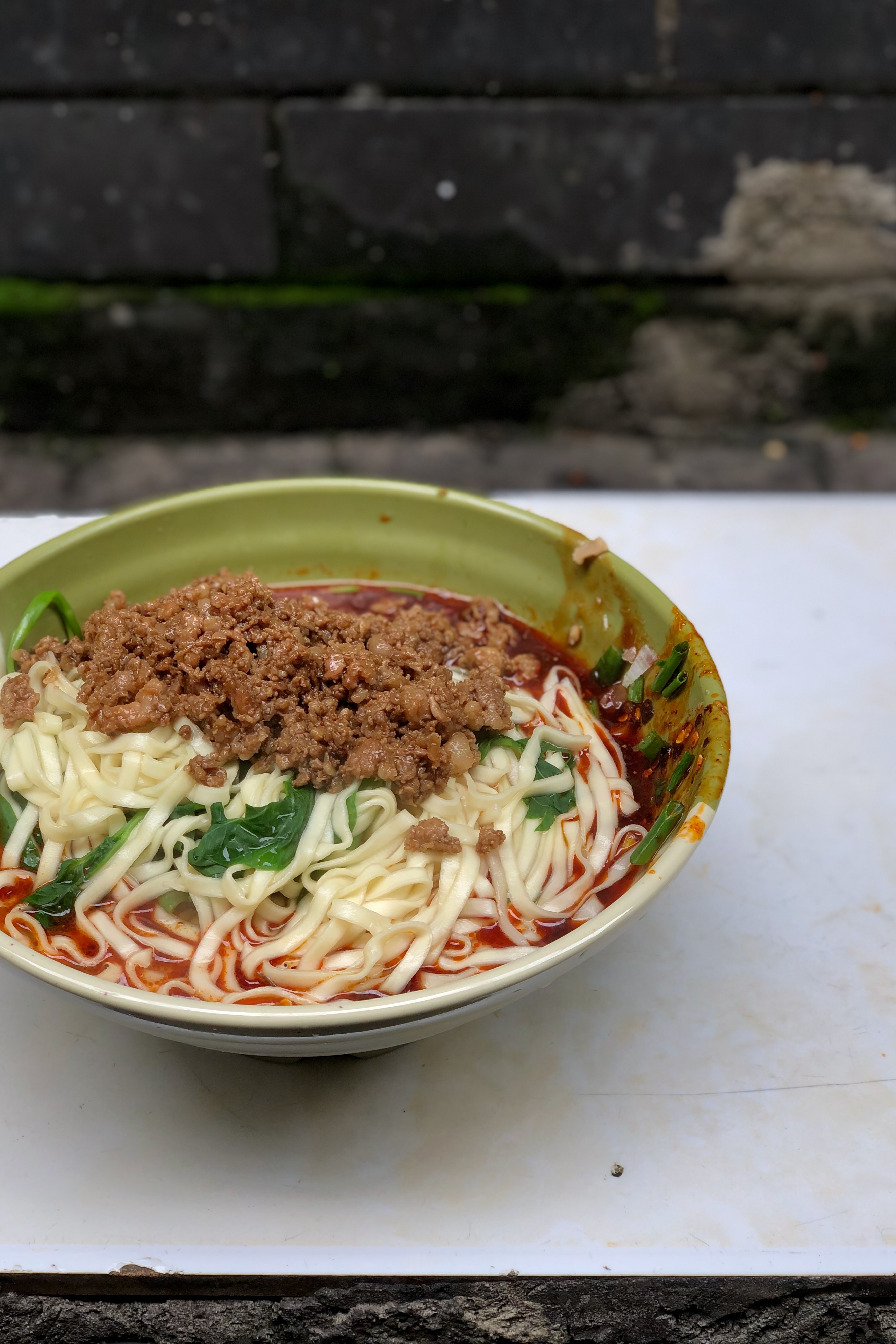
I ordered us two bowls of noodles: zajiang mian 杂酱面 and wanza mian 豌杂面. The name of the former means “mixed sauce noodles,” and is not to be confused with Beijing’s zhajiang mian (炸酱面, a.k.a. “fried sauce noodles”).
So what is 杂酱面? It’s wheat noodles in an oily, spicy broth, topped with a dollop of a rich sauce made with ground pork and bean paste. Whereas 豌杂面 is simply 杂酱面 with chickpeas.
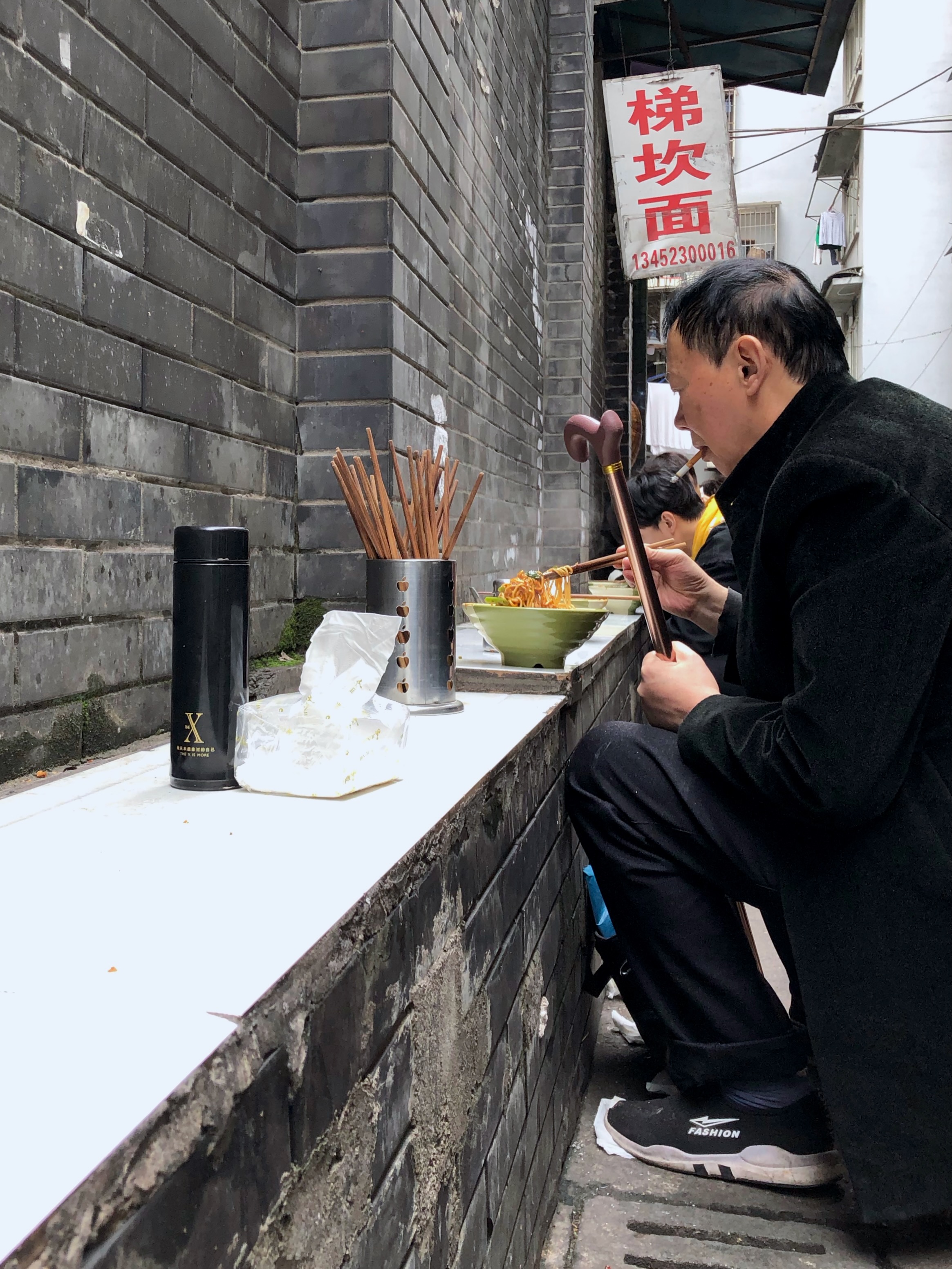

We plonked ourselves onto low plastic stools and waited with impatience as we glanced with envy at other diners. We were all seated along a “table” – formed by laying planks of plywood atop a low concrete wall. Our noodles arrived shortly. Both came with a generous serving of spicy chilli paste-oil with the springy noodles. We ate with relish despite knowing that each bowl was like a calorie bomb. After all, we would use those calories navigating Chongqing’s hilly terrain!
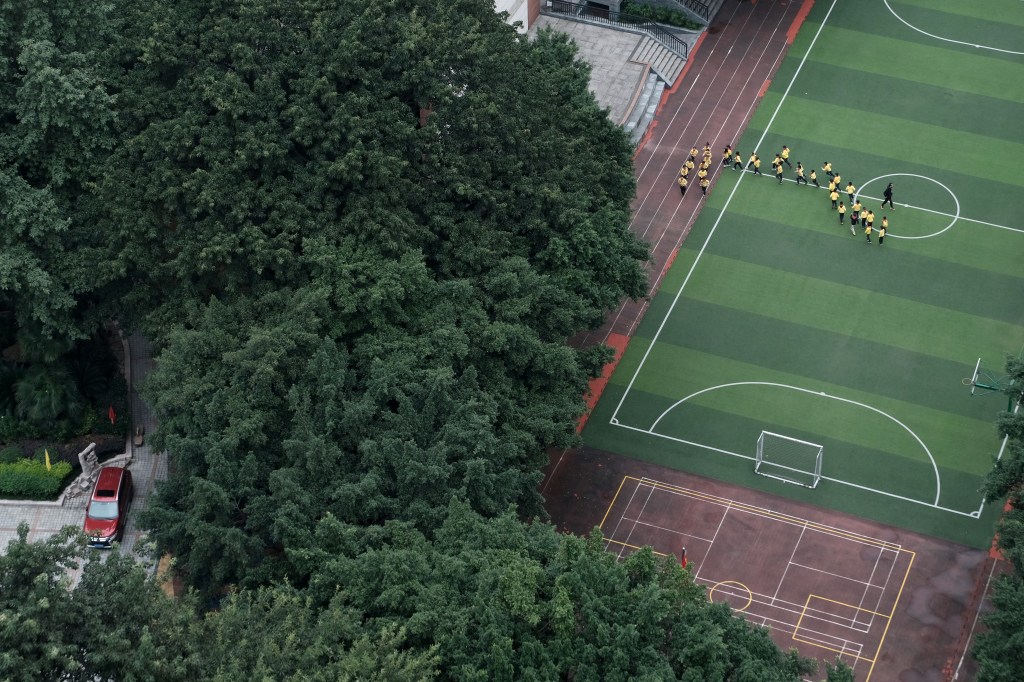
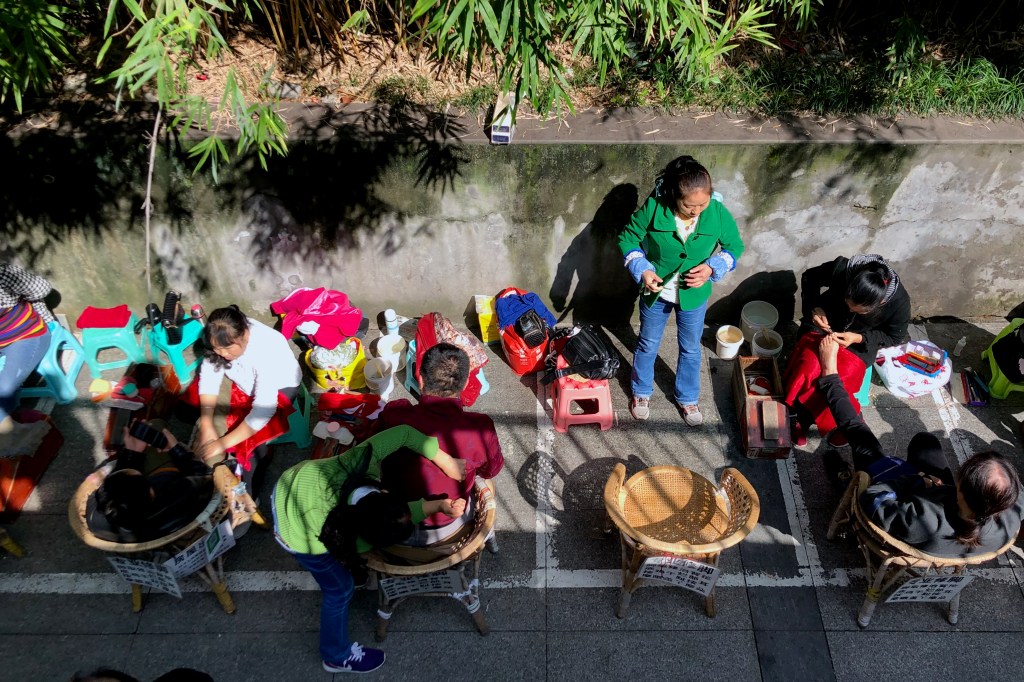
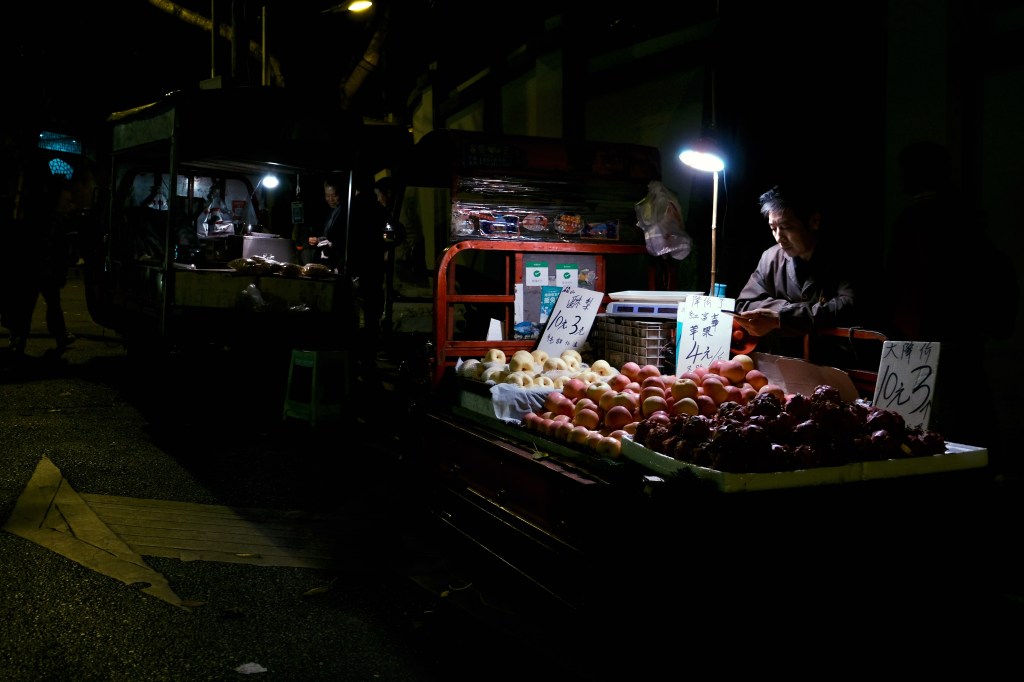
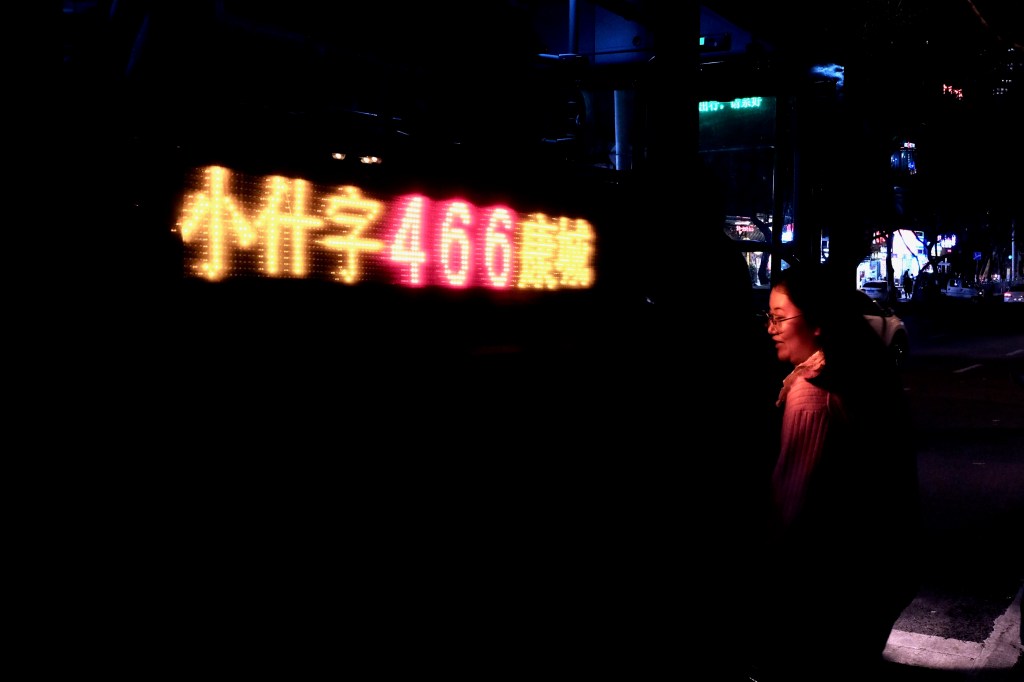
To end, here are some fleeting moments of daily life taken around Chongqing.



* Regarding 鵝嶺休閒茶藝中心: Even though China has been using simplified Chinese since the mid-20th century, many of its older literate generation read the non-simplified script. The name of the mahjong tea salon would be written 鹅岭休闲茶艺中心 in simplified script.
 Angelina Hue
Leave a reply to Chongqing Jungle 重庆森林 | Part 1 – Angelina Hue Cancel reply