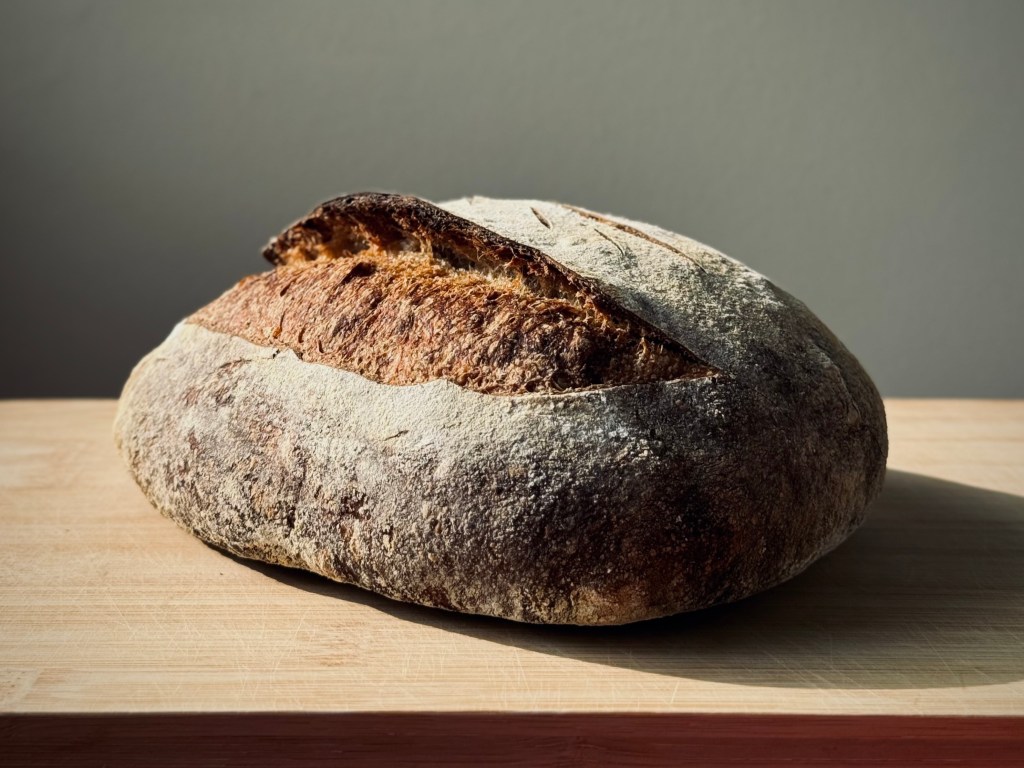
Have you ever spent time doing something without really understanding it? I did, with sourdough.
I began sourdough baking during the pandemic in 2020, like thousands of others around the world. My first starter came from a Latvian baker in Hong Kong. We named it Markus Ryekowitz, after the original name of Mark Rothko who was born in the region that is now Latvia.
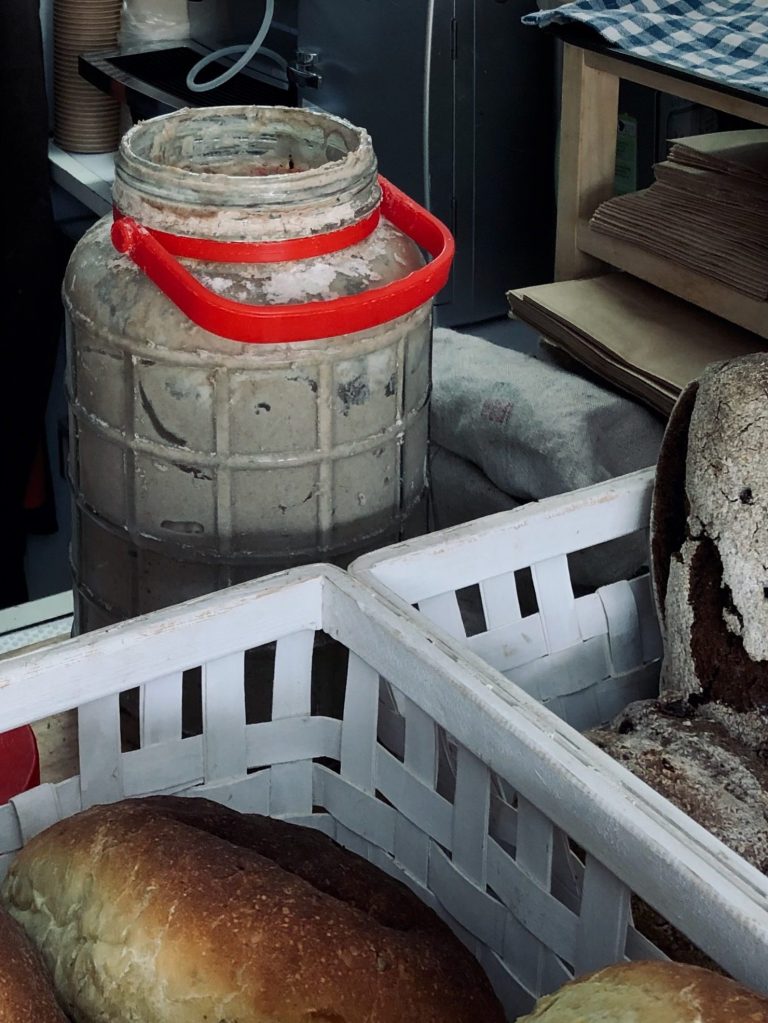
For months, I would watch Markus after a feed and wondered why he never ballooned like the white-flour starters I saw online. I eventually came to terms with the fact that my starter — like everything sourdough — had its own rhythm and is sensitive to external circumstances. Rye behaves differently from white flour, tastes different and rises at its own pace. I stopped comparing and began to read Markus’ behaviour.
Walk before you run
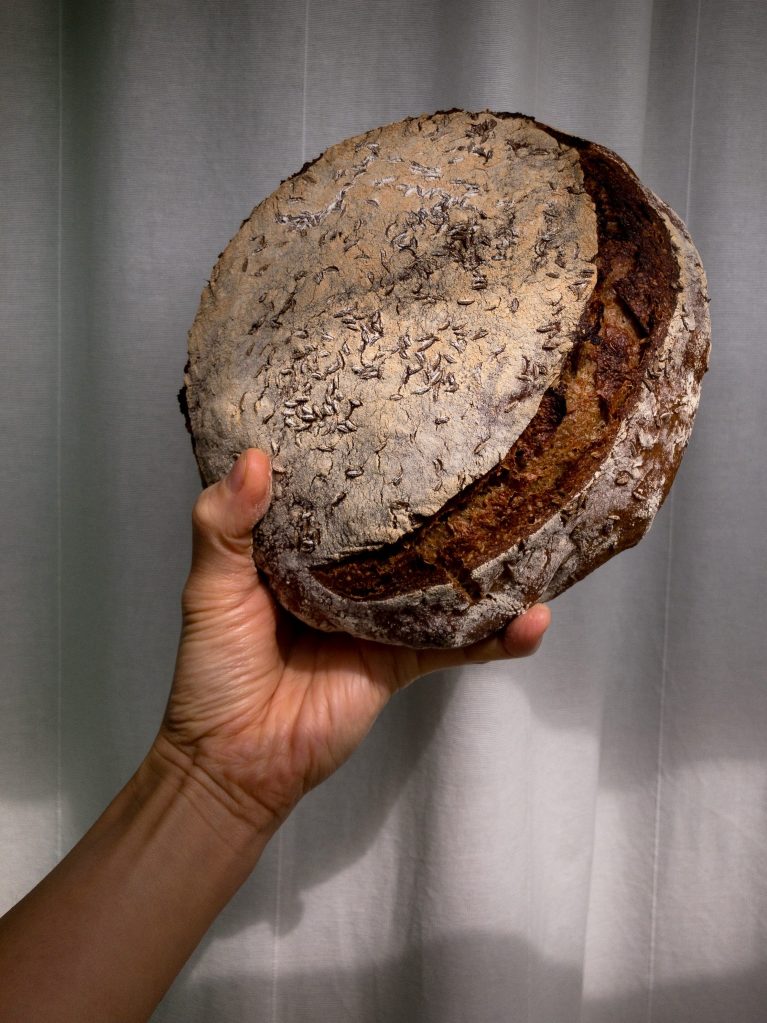
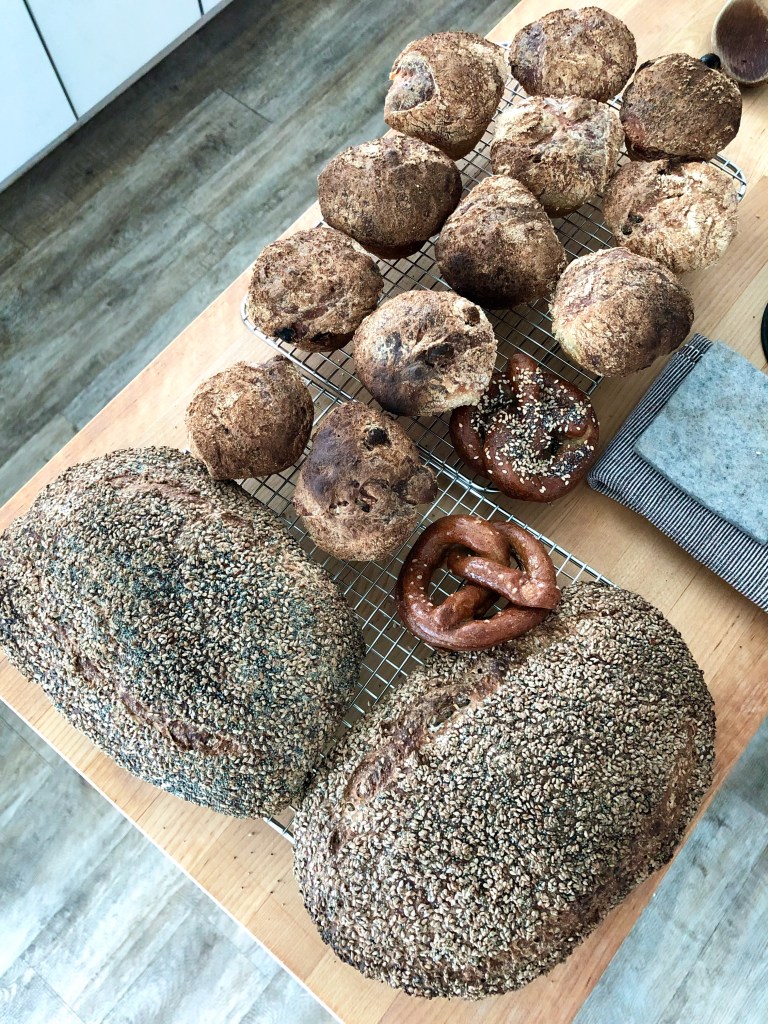
I’m a nonconformist by nature. Instead of starting with a plain white boule, I made a spiced rye loaf with caraway, anise, and fennel. It was a delicious start to my sourdough journey, but I didn’t set out to learn the fundamentals in a structured way. In the first year, I flitted between dark-grain loaves, focaccia, pretzels, babka, kardemummabullar, and more. I was chasing variety and novelty instead of mastering the basics and learning to feel the dough.
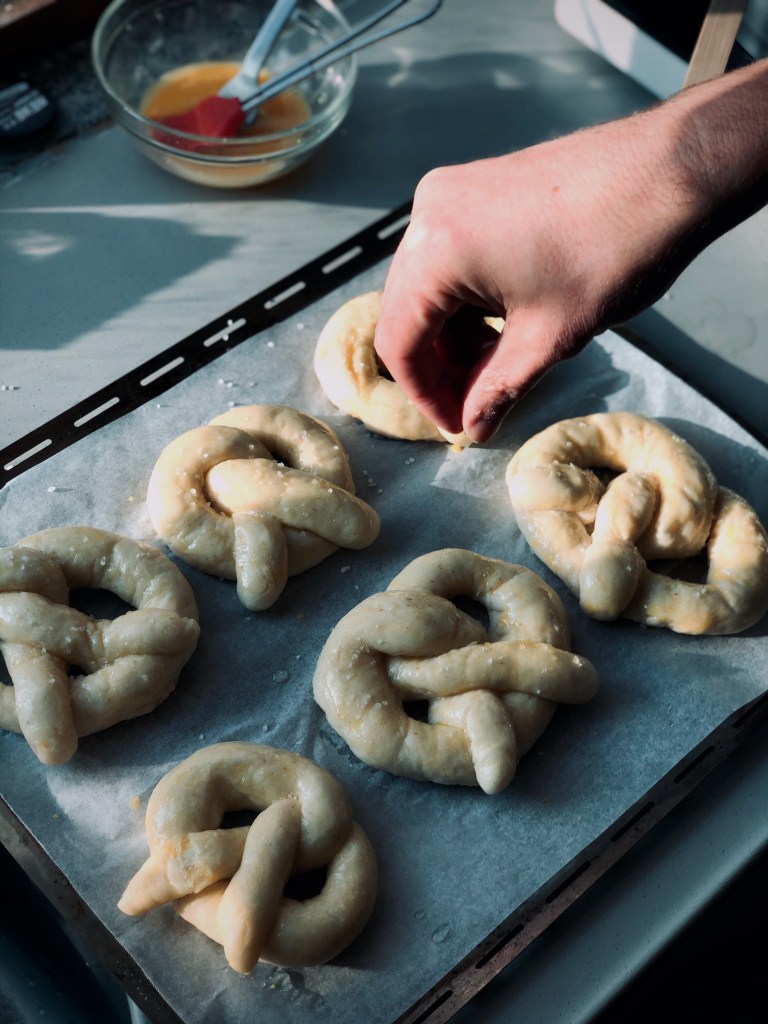
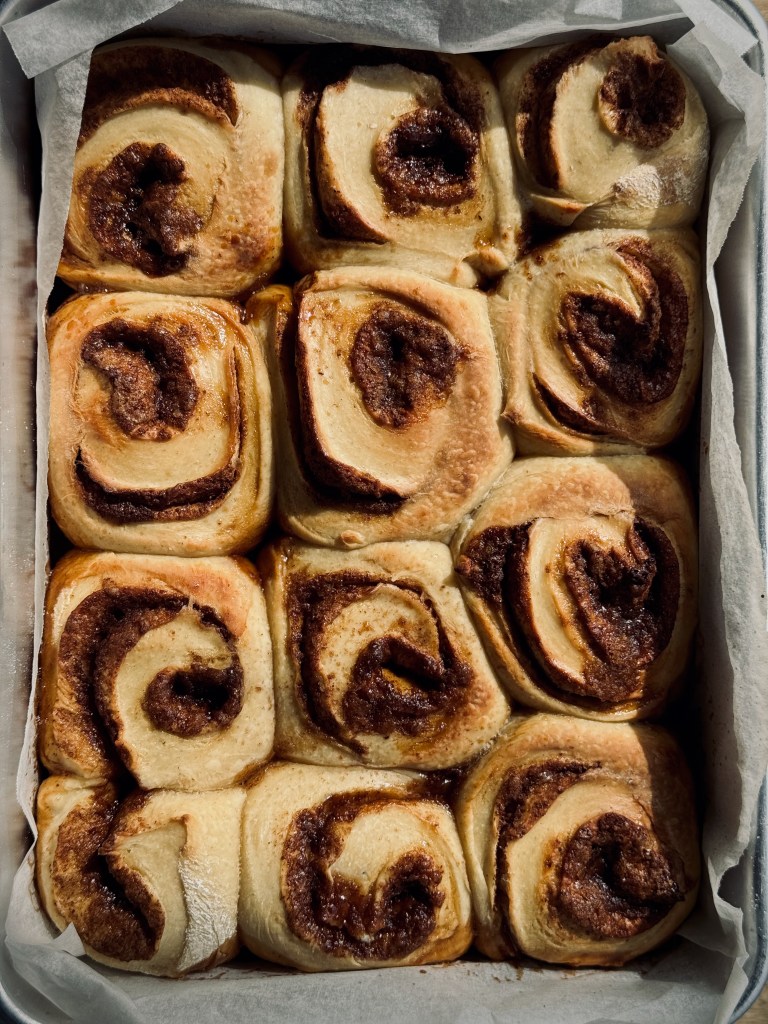
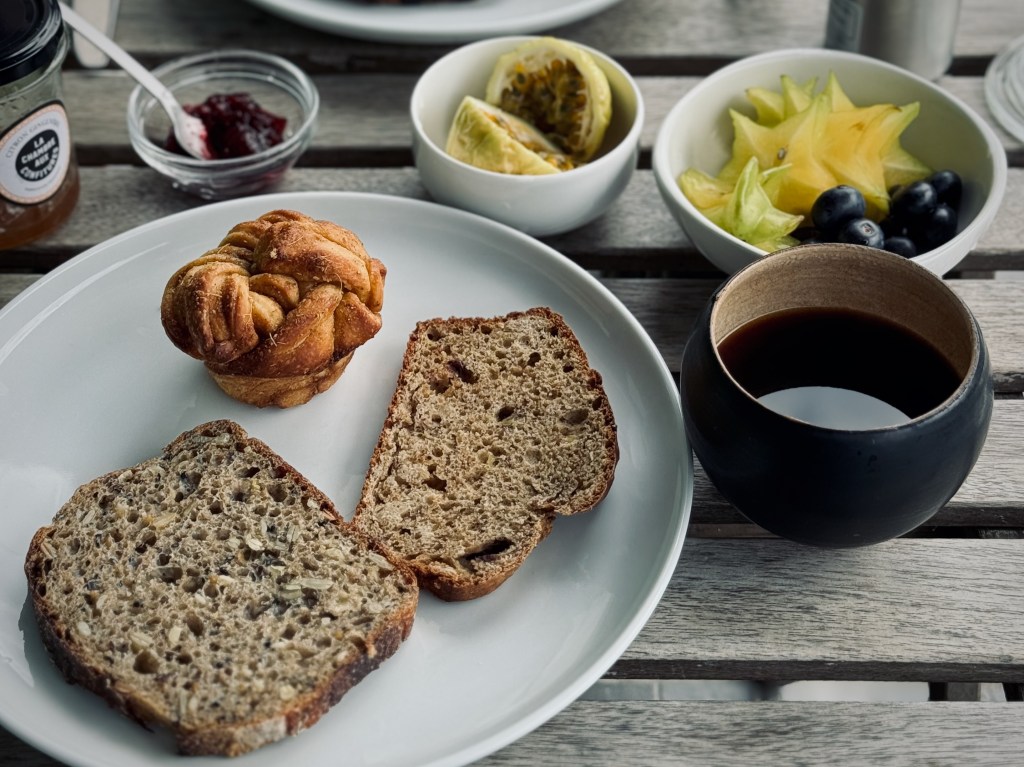
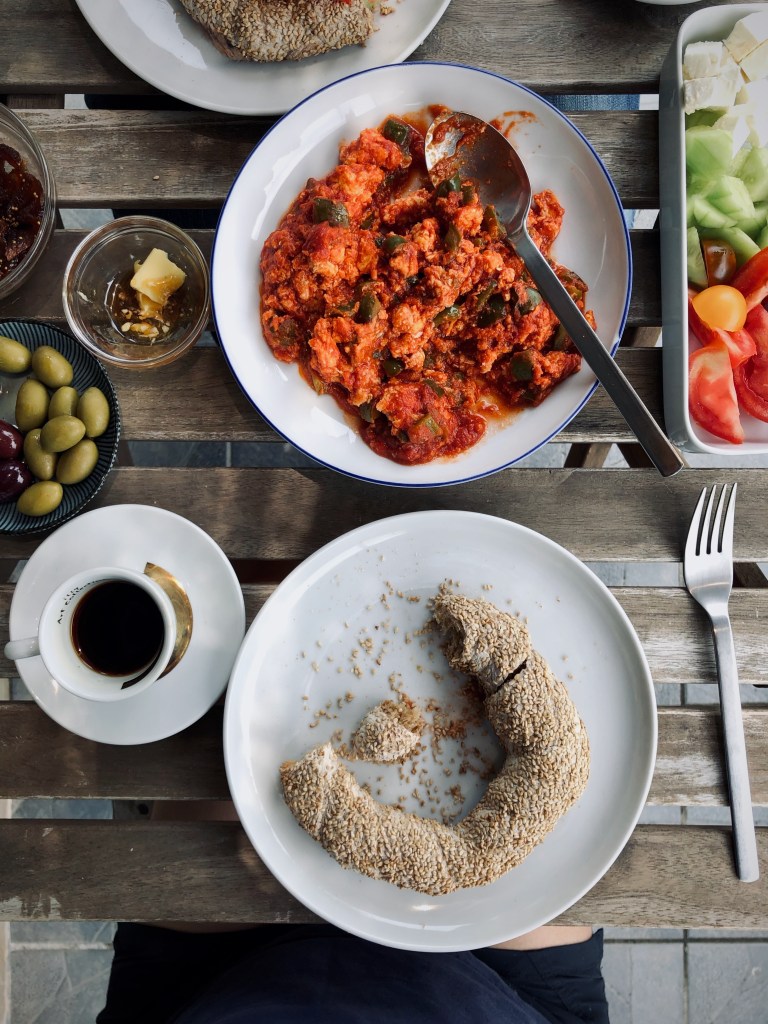
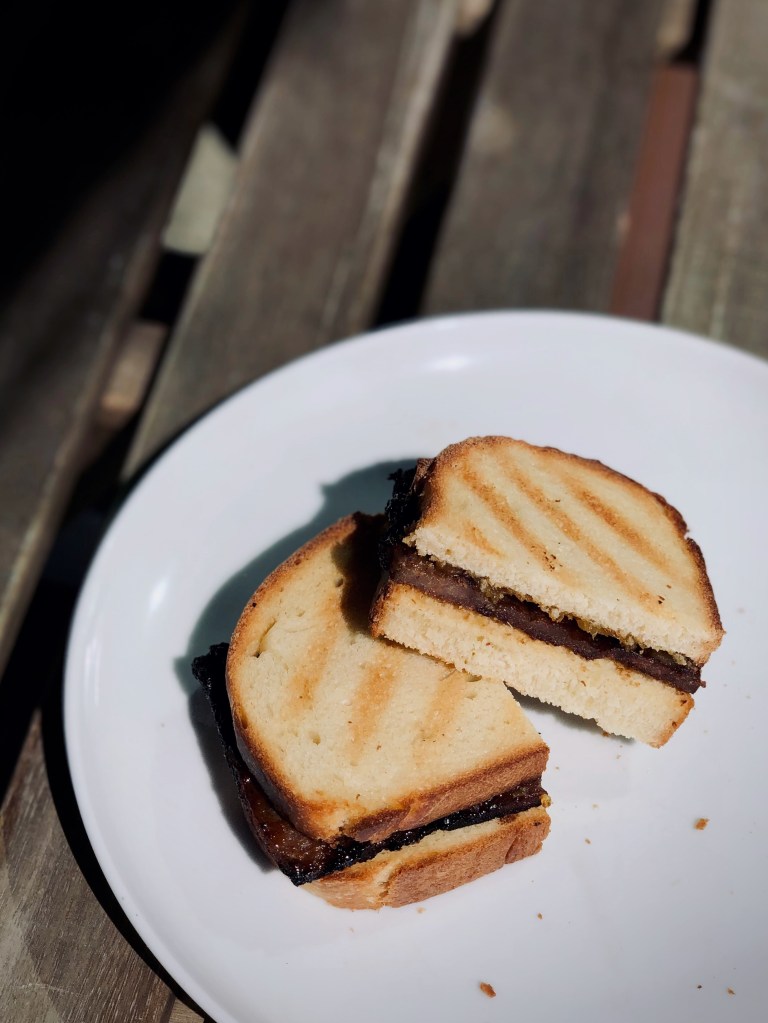
I also followed recipes written for cooler, drier climates without adapting to life in hot, humid Hong Kong. I’d refrigerate a starter for weeks while travelling, occasionally returning to find an ominous pink sheen of mould. Looking back, my reliance on recipes and their prescribed timings felt partly like a way of feeling in control amidst my chaotic work life.
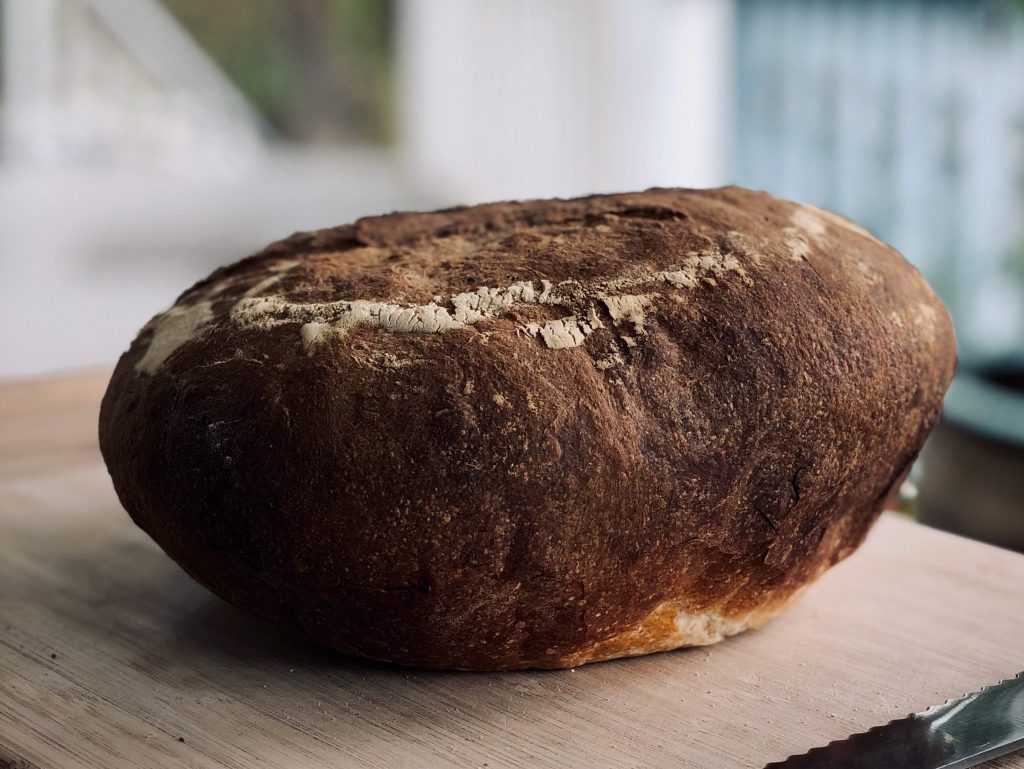
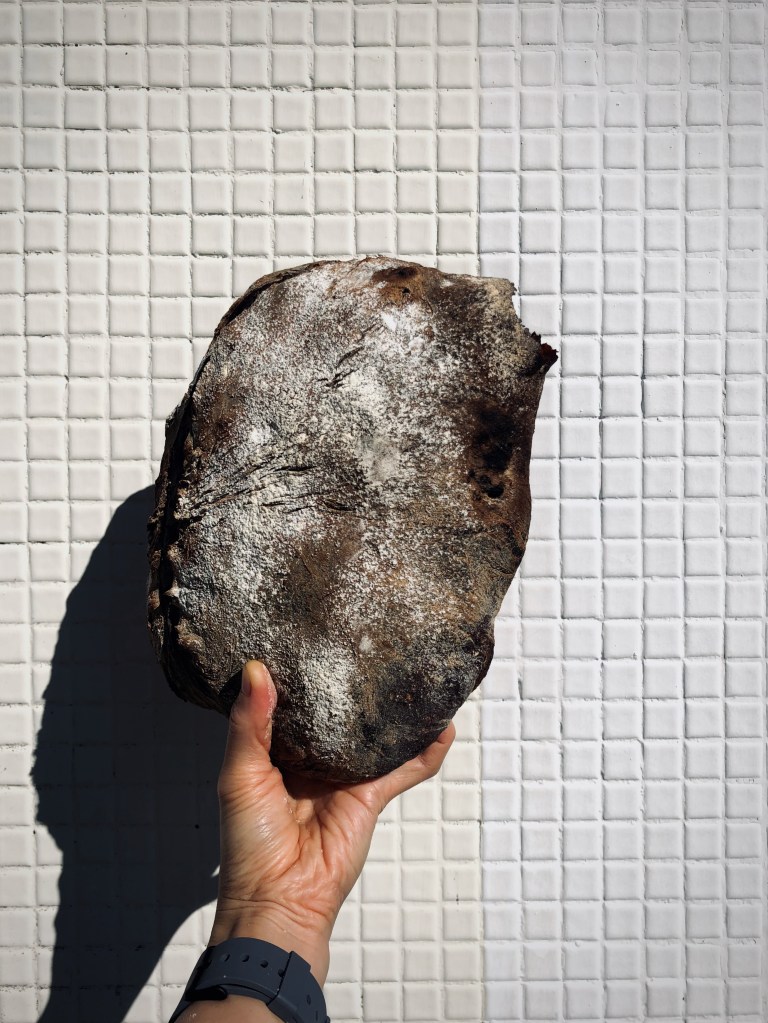
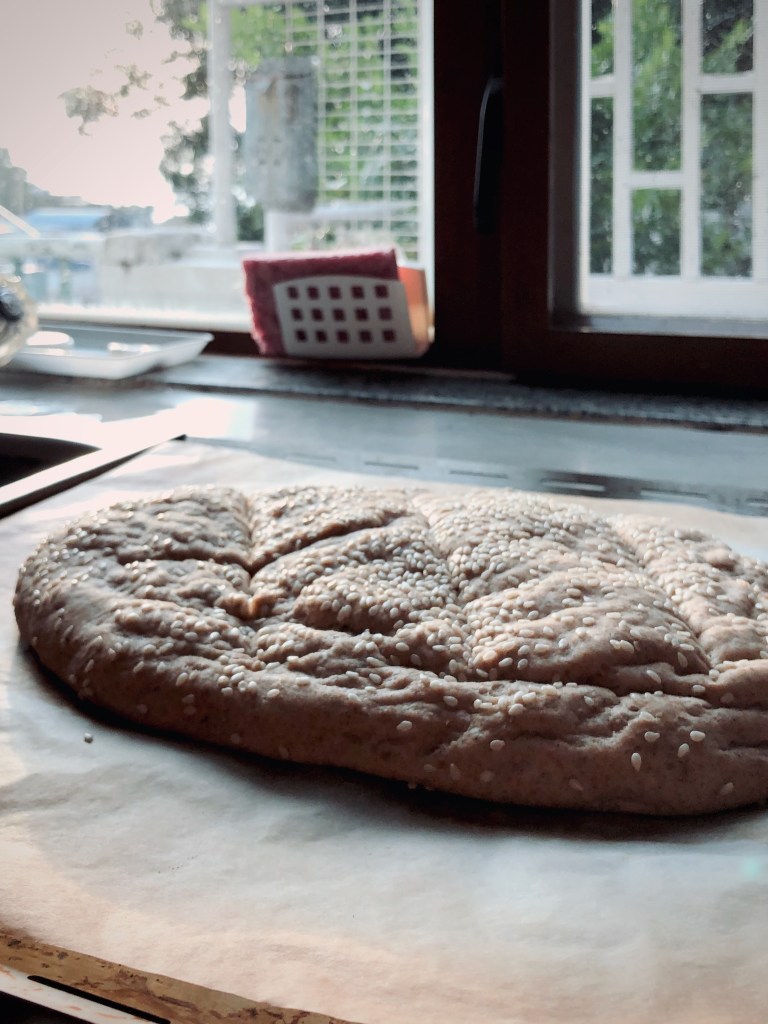
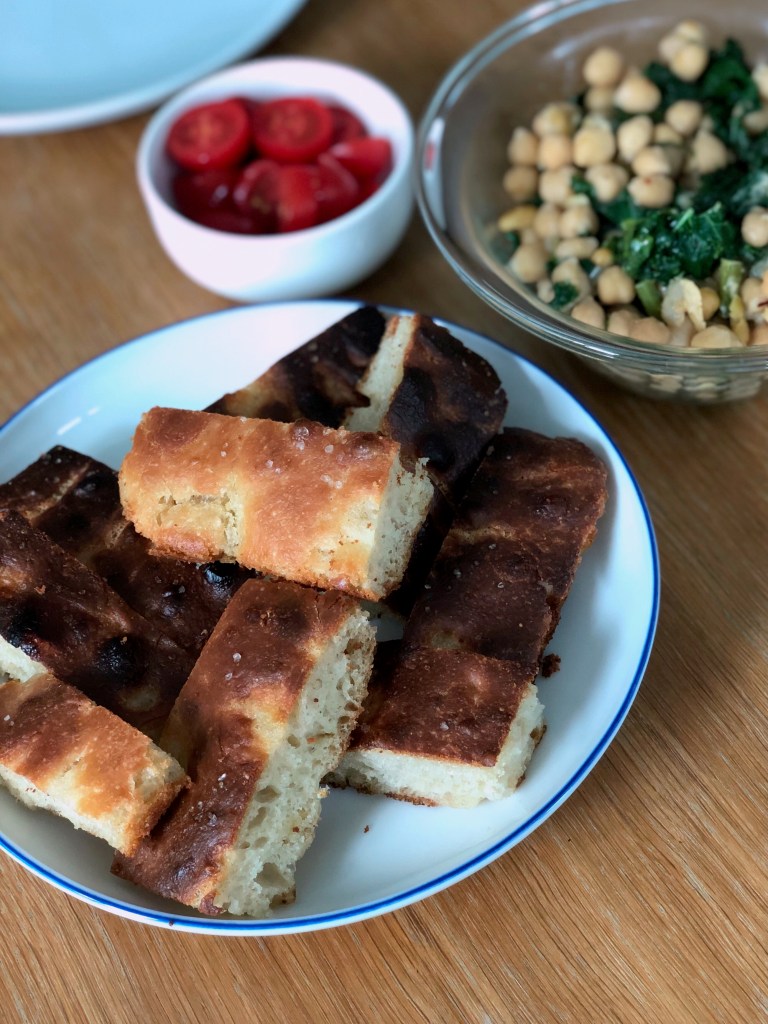
Below are some of the misshapen and burnt breads I made, sometimes due to my overzealous haste and juggling too many things:
Perfection is a myth
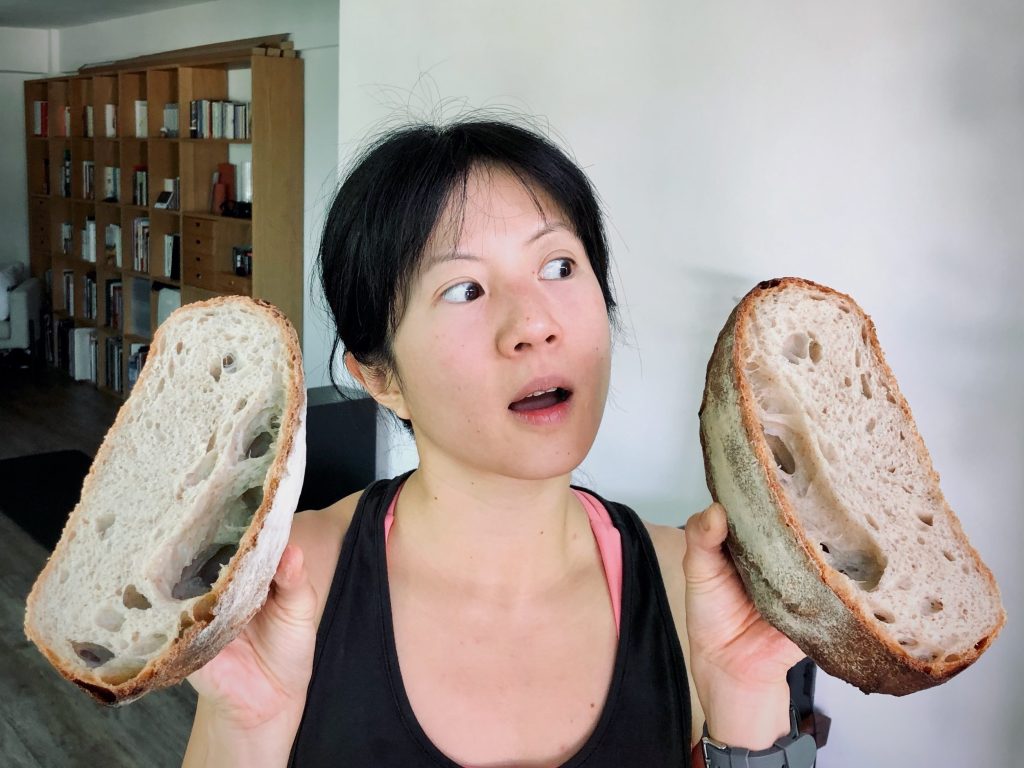
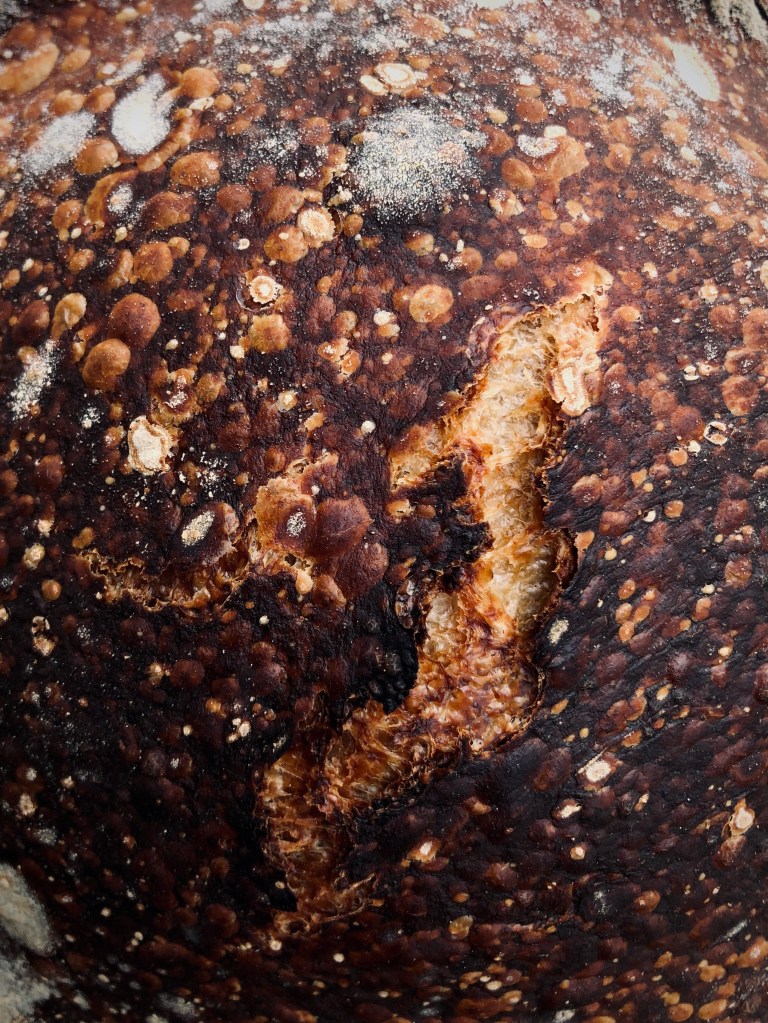
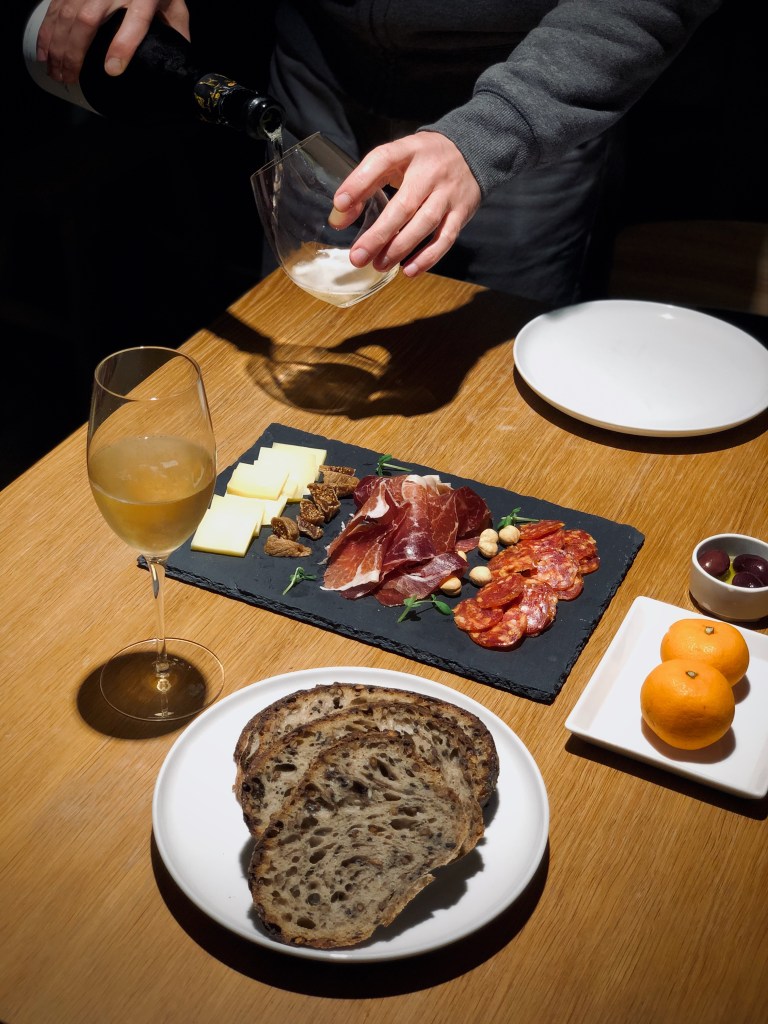
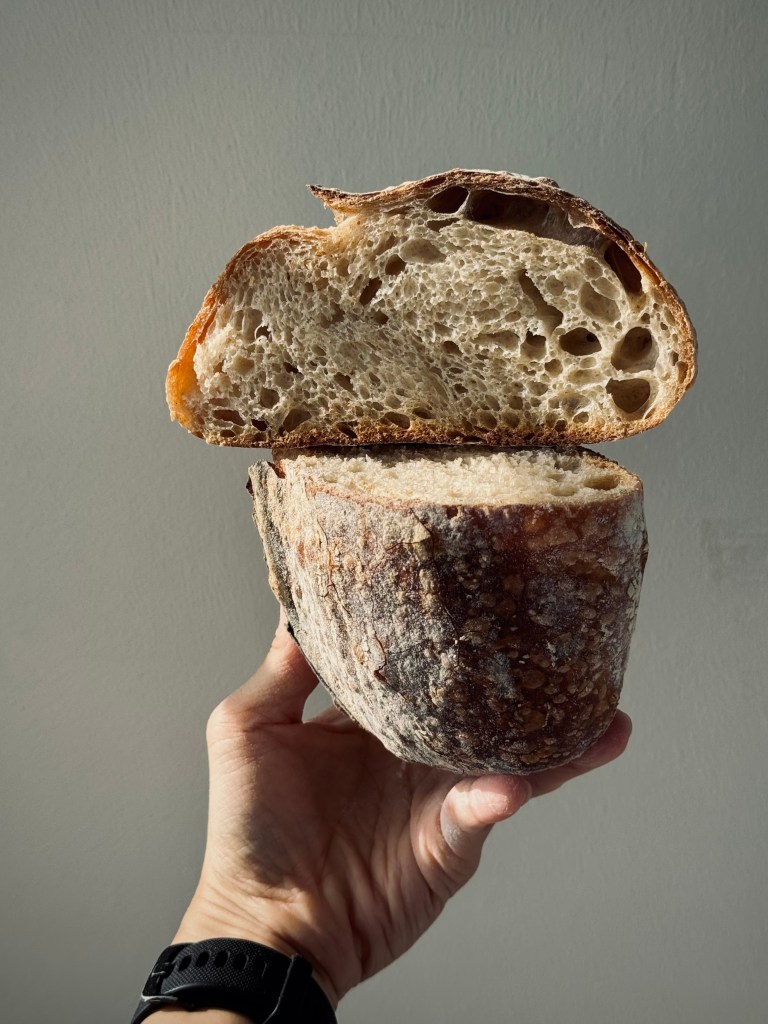
For a while, I chased the fluffy white loaf with huge holes, dramatic oven spring, and a perfect ear that was all over Instagram. My whole‑grain loaves seldom matched those images, which was to be expected since they have a denser crumb because of lower gluten content. AB would tell me that the darker breads I made tasted better than most we bought in Hong Kong, yet I kept aspiring to that arbitrary image of perfection.
I eventually let go of those expectations. What’s the point of having a crumb that leaks butter through its holes? Taste, texture, and the pleasure of sharing bread matter more than a “picture-perfect crumb”.
What’s the point of having a crumb that leaks butter through its holes? Taste, texture, and the pleasure of sharing bread matter more than a “picture-perfect crumb”.
Less is more
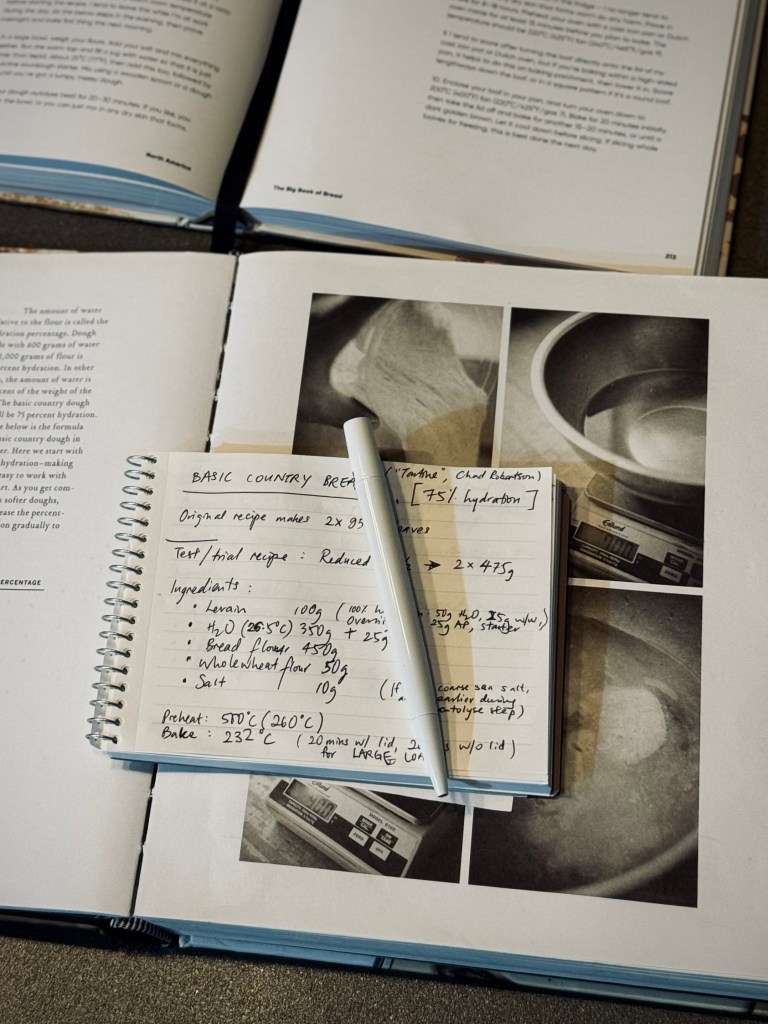
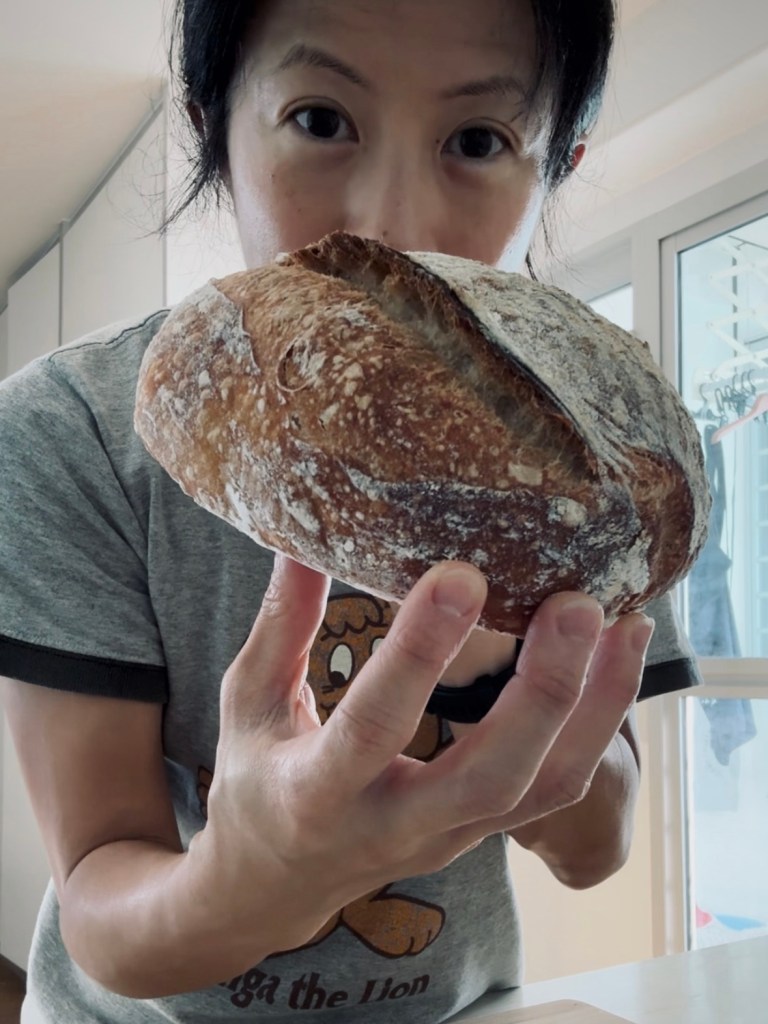
I used to spend hours wrestling sticky dough and fretting over technique, and cleaning up was a chore. I eventually borrowed a copy of Chad Robertson’s Tartine, which I had previously avoided because I didn’t want to reference what everyone else was talking about. I stand corrected. There’s a good reason his method is so widely lauded. It works.
His Basic Country Bread reminded me that mixing and shaping need not be elaborate, and simple, deliberate handling often yields the best results. Reading the physical book helped me slow down and digest the information, a refreshing change from endlessly skimming contradictory Reddit threads.
Understand the process, then improvise
The internet is full of conflicting information which sometimes left me confused and overwhelmed. A six‑month break after my previous starter died proved to be a timely reset.
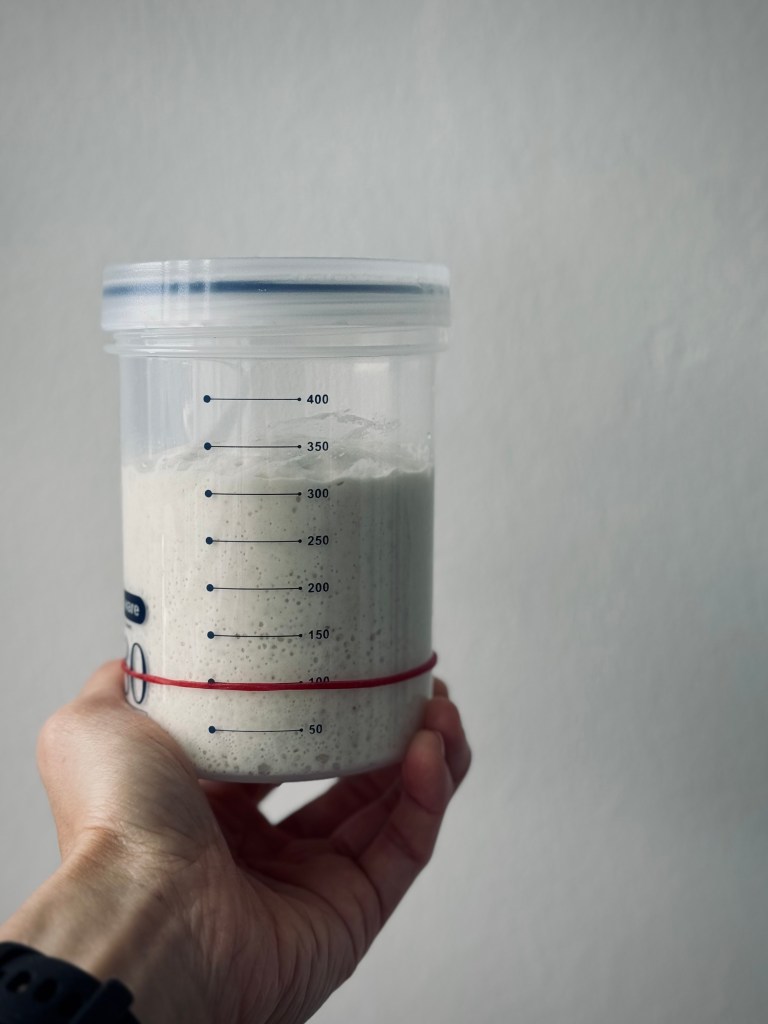
Freed of expectations and work pressures, I relearned the science and paid closer attention to reading the dough, from how it smells, how it stretches, to how it evolves during the fermentation and proofing stages. That knowledge doesn’t promise perfection, but it provides a solid foundation from which to adapt when things go awry.
Space to bake and to be present
Having physical and mental space has transformed my approach to sourdough. In our Singapore flat, with a bit more bench space and fewer competing demands, baking feels calmer than in our tiny Lamma kitchen.
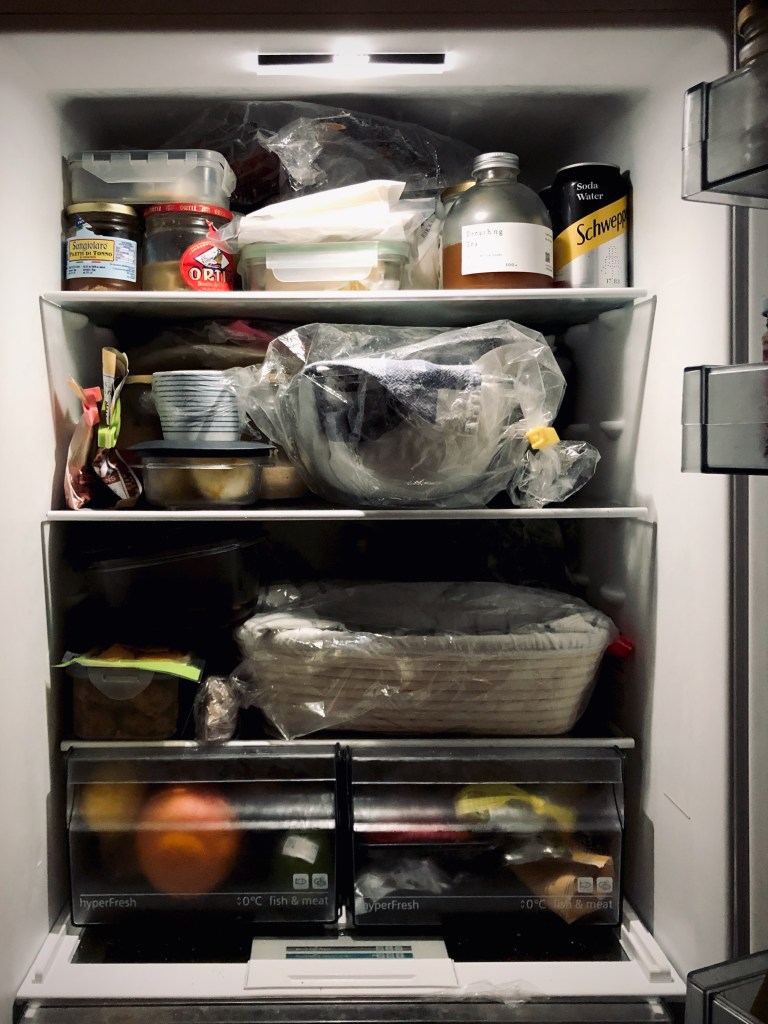
An example of a manic weekday morning when I was working in Hong Kong: wake up, mix dough, exercise, fold and stretch dough, shower, fold and stretch dough, check email, join conference call, fold and stretch dough, join conference call, and it goes on — a frantic sequence that often left me frazzled. No wonder I resisted adapting recipes to my surroundings. I simply didn’t have the mental bandwidth to do so!
No regrets
Would I have saved time and reduced stress if I had learned these lessons sooner? Certainly. But mistakes and oddly shaped loaves taught me patience and resilience.
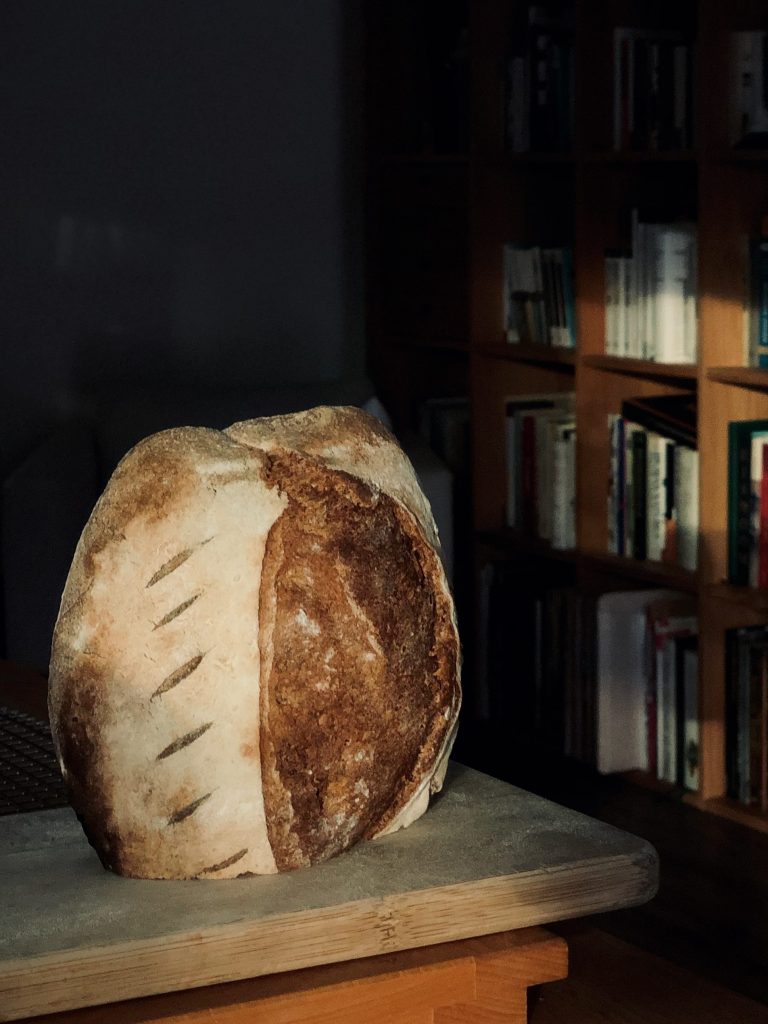
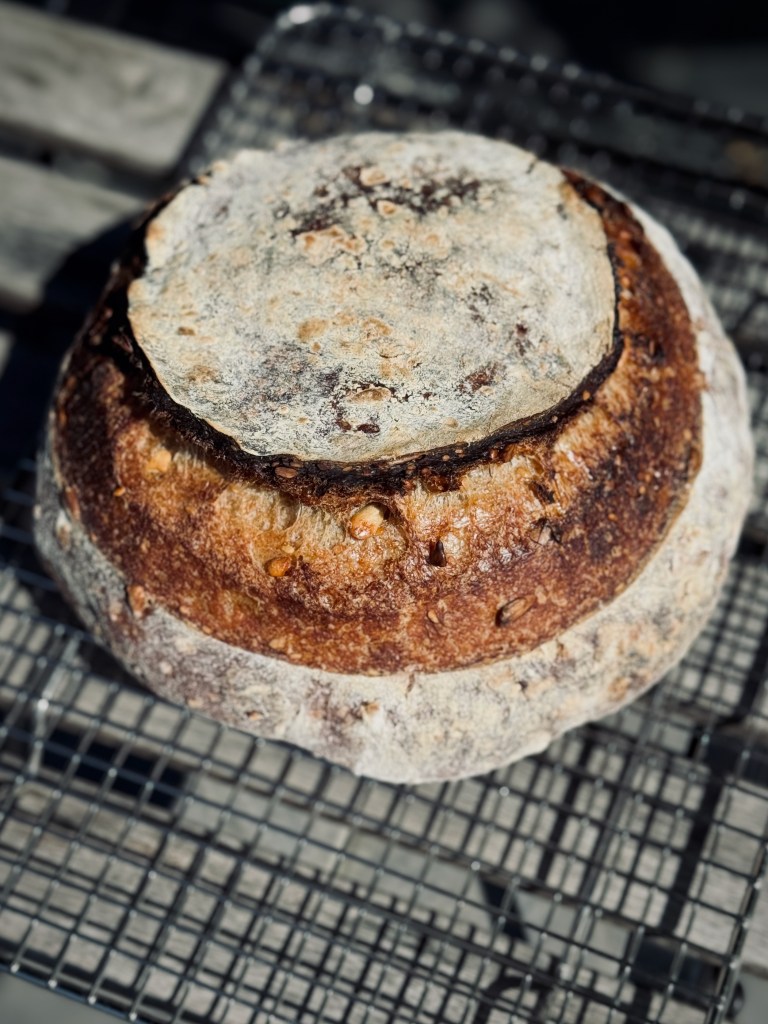
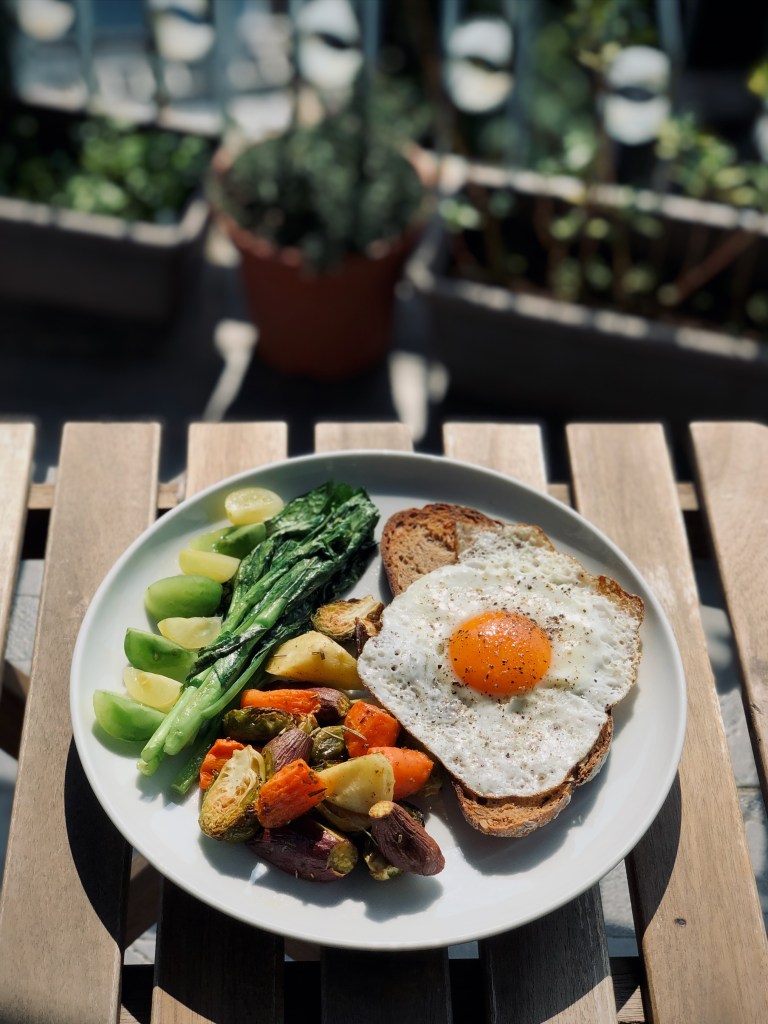
It is so gratifying to turn flour and water into something nourishing. Sourdough baking is as rewarding as our gardening experiments with papaya and sweet potatoes. I also love the sourdough tang in my bread, which I rarely find in shops in Hong Kong.
What my sourdough journey has taught me
- Starters are living, unique microbiomes. Learn their rhythm rather than imposing others’ onto them.
- Master fundamentals and practice recipes until consistent results are achieved.
- Read the dough: trust feel, smell, and sight over rigid timings and recipes.
- Simplicity often beats excess effort.
- Let go of perfection. Bake for nourishment and enjoyment, not validation.
- Create space, physically and mentally, to be present.
- Tools help, but attention and practice matter more.
The loaves I make may not look Instagram perfect, and that’s all right. They taste good and I enjoy the process much more now.
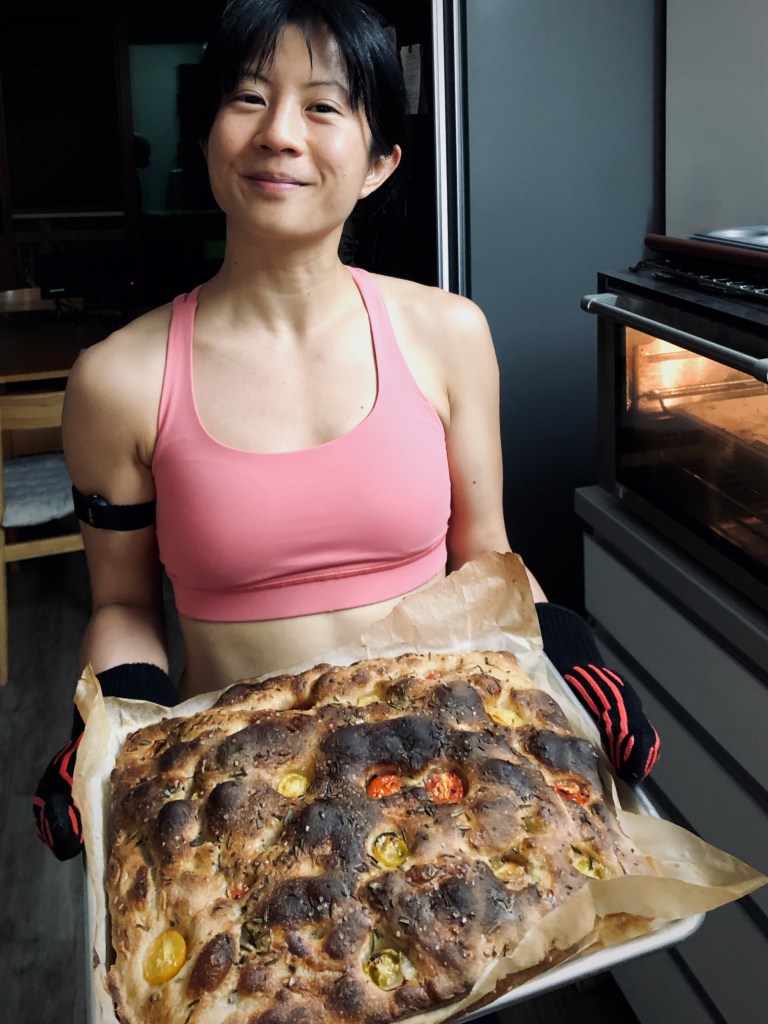
 Angelina Hue
Join the Conversation