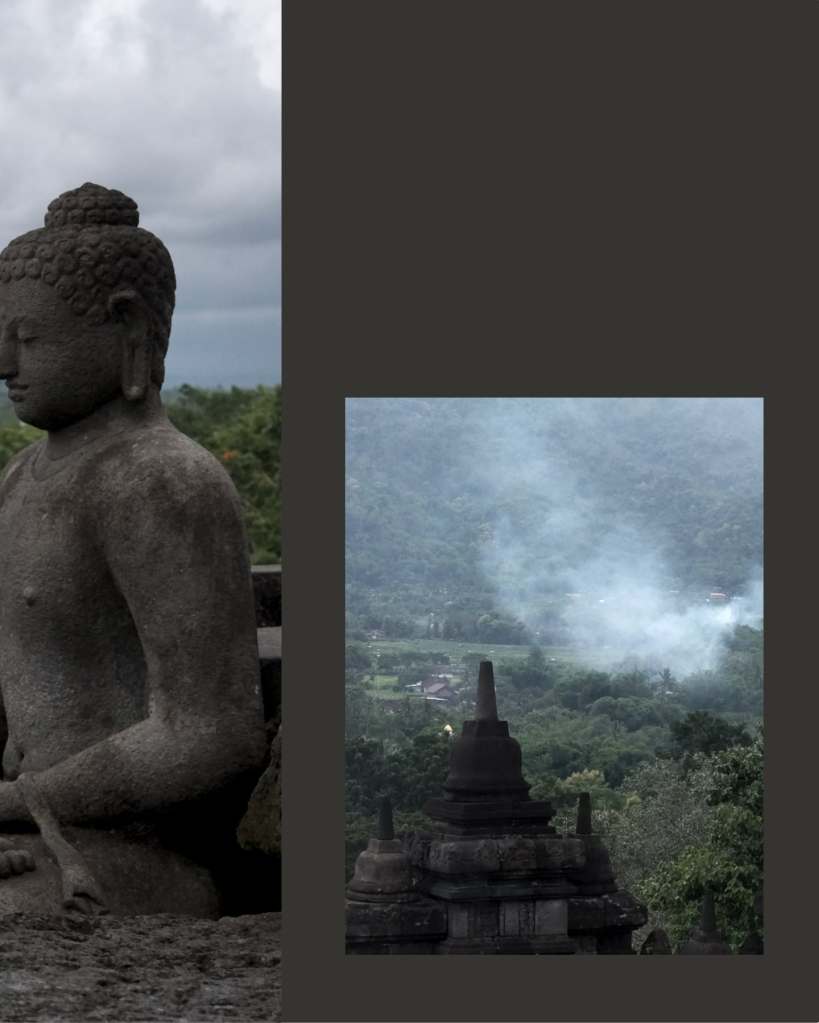
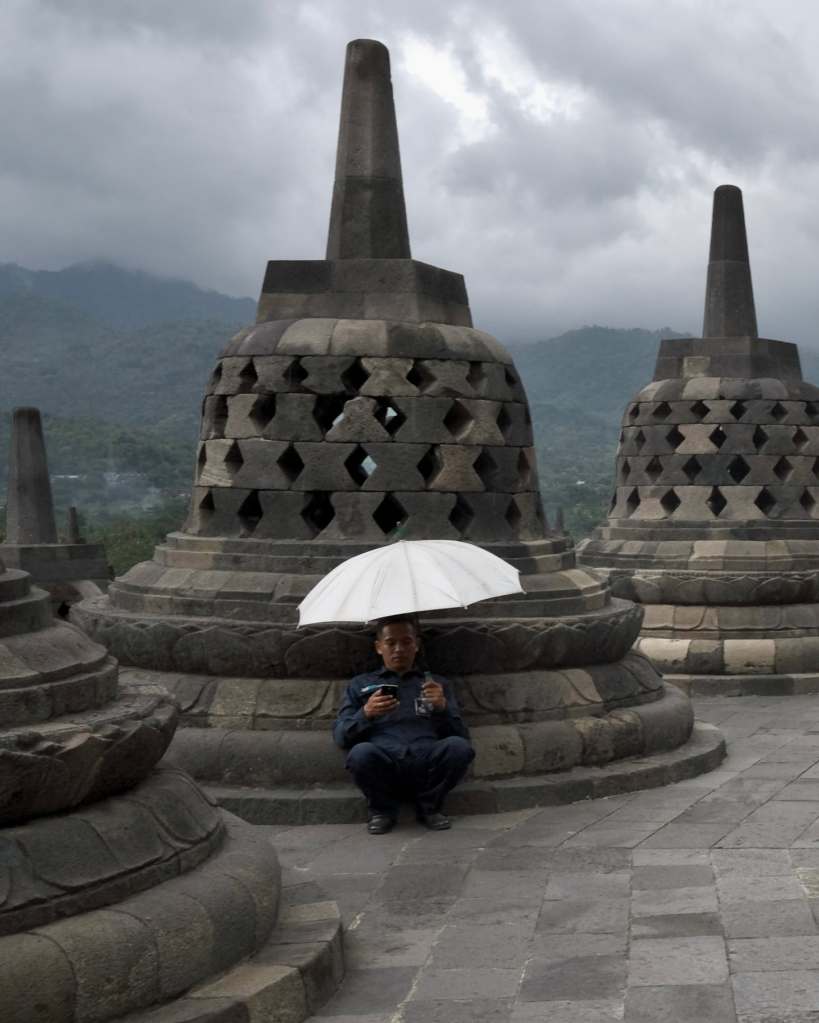
Perched on a hill in Magelang Regency in Central Java, Indonesia, Borobudur is the world’s largest Buddhist temple.
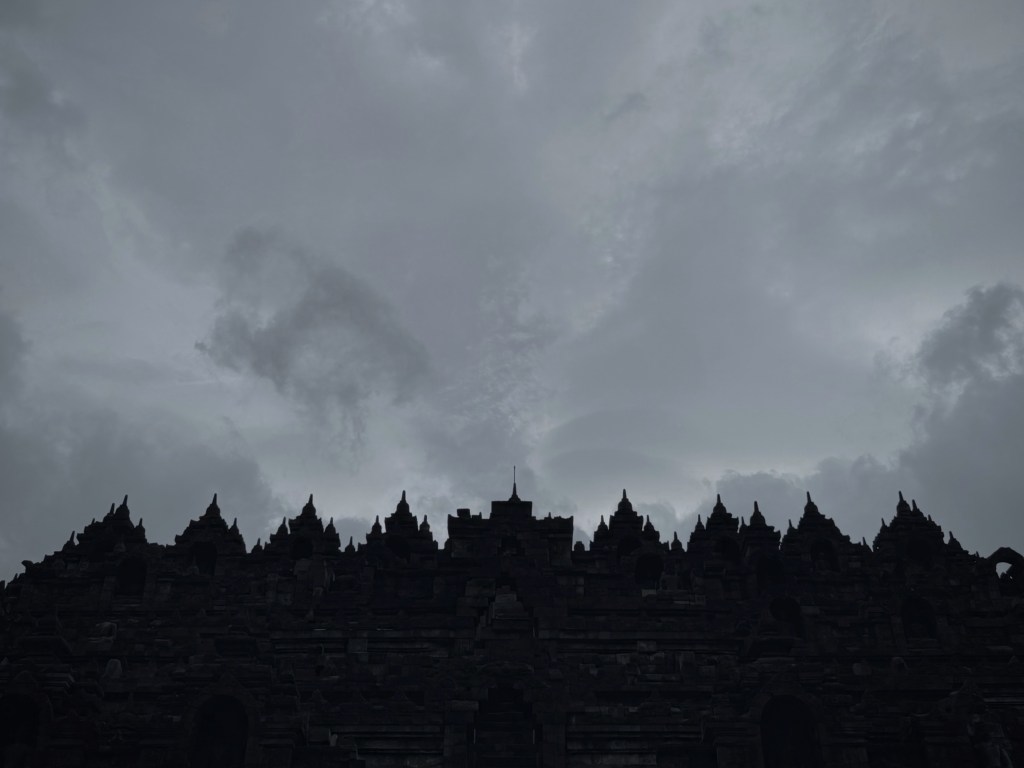
For several years post-pandemic, visitors were barred from climbing the monument, relegated to observing it from a distance. Thankfully, this changed in late 2024. We were excited to finally get up close to the UNESCO World Heritage Site in January – which turned out to be an unexpected bonus as we found ourselves visiting during the low tourist season. Not only were there far fewer visitors, but we were also the only guests staying overnight on the temple grounds!
Lost and Found
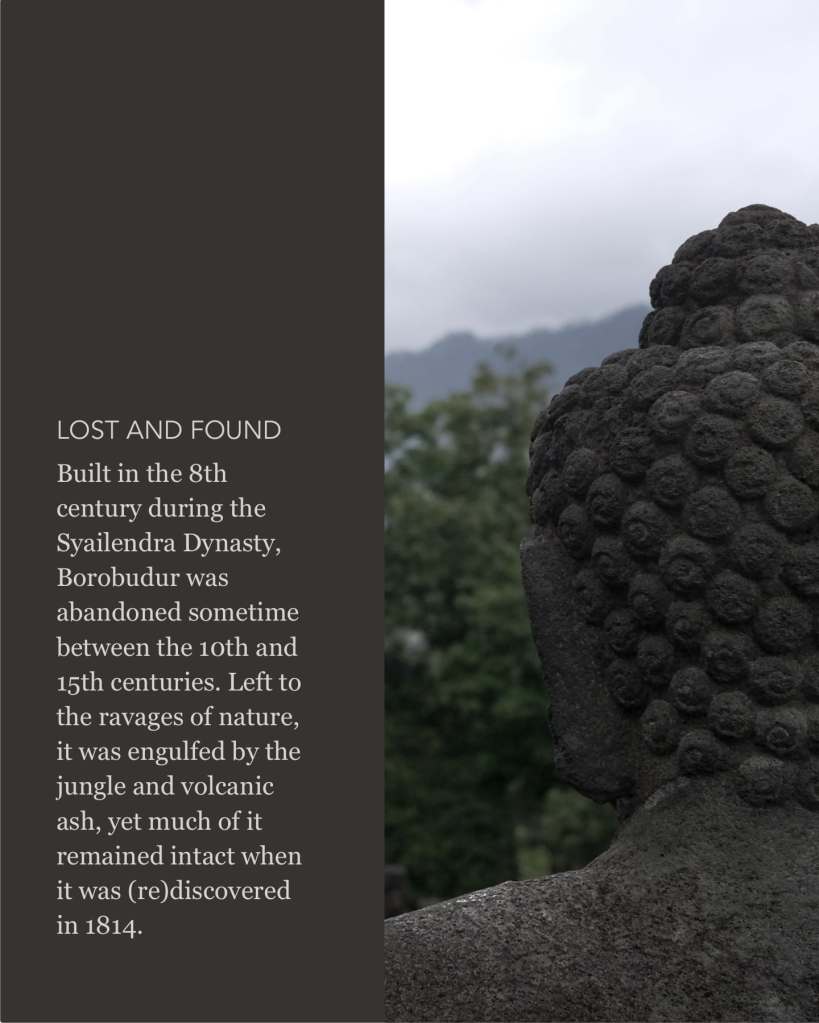
Built in the 8th century during the Syailendra Dynasty, Borobudur was abandoned sometime between the 10th and 15th centuries. It came to international attention in 1814 when Sir Stamford Raffles, who was the British ruler of Java, learned of its existence. While it was engulfed by the jungle and volcanic ash, much of the temple remained intact, facilitating preservations efforts.
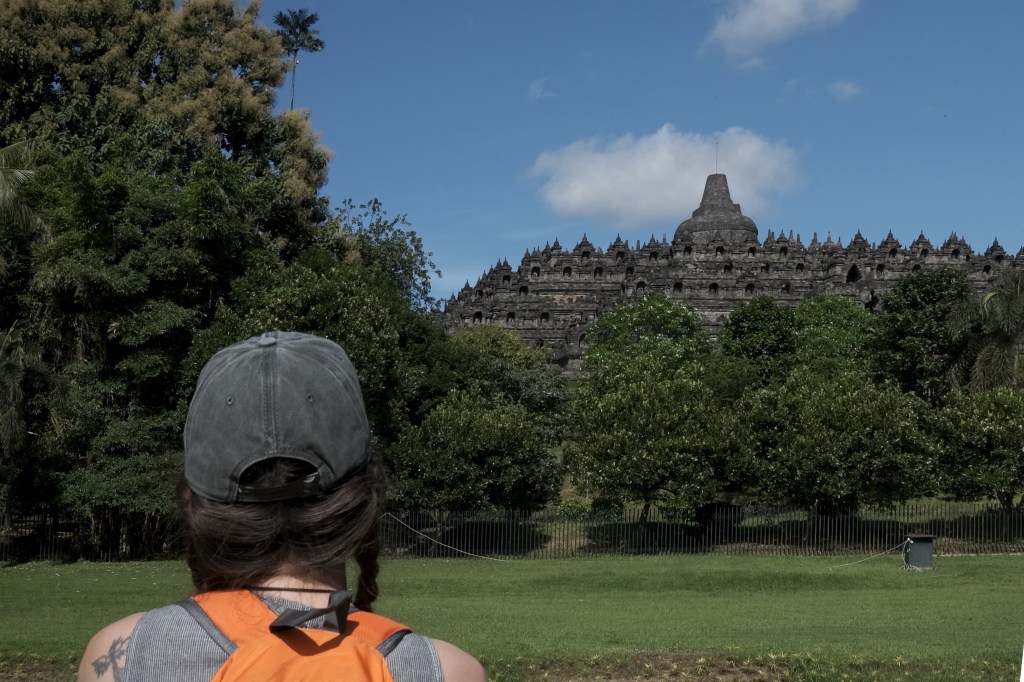
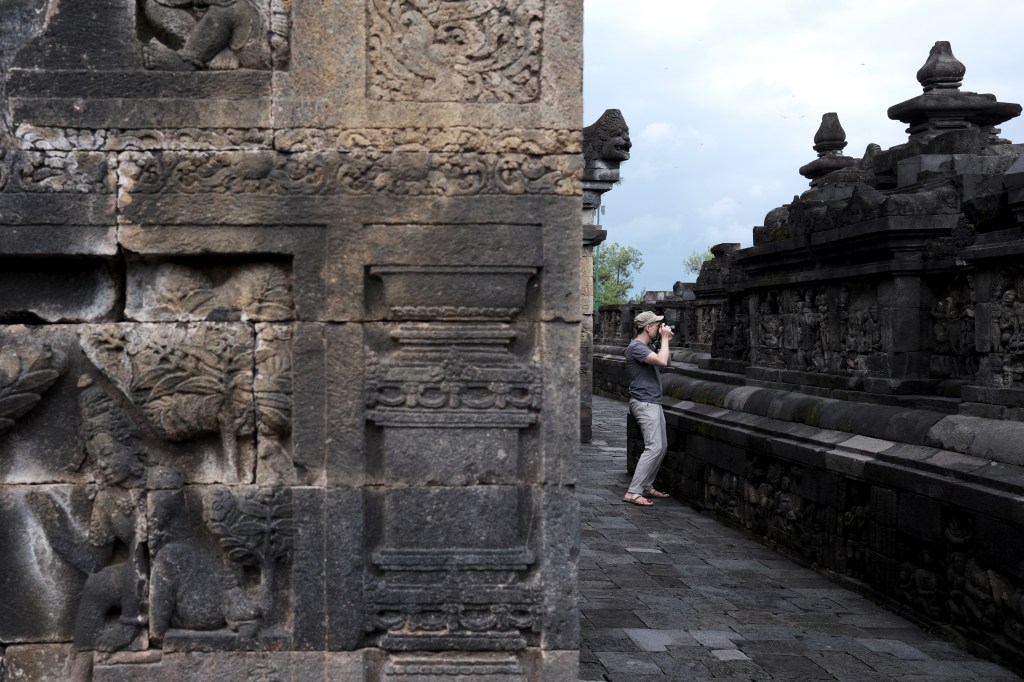
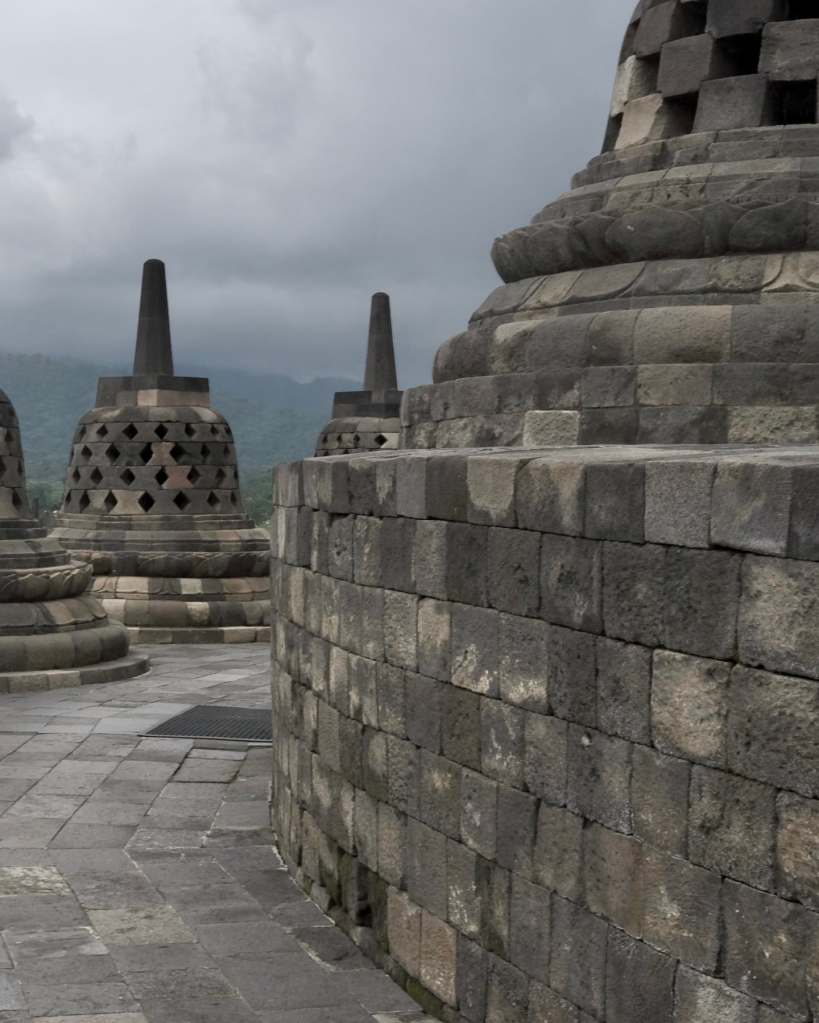
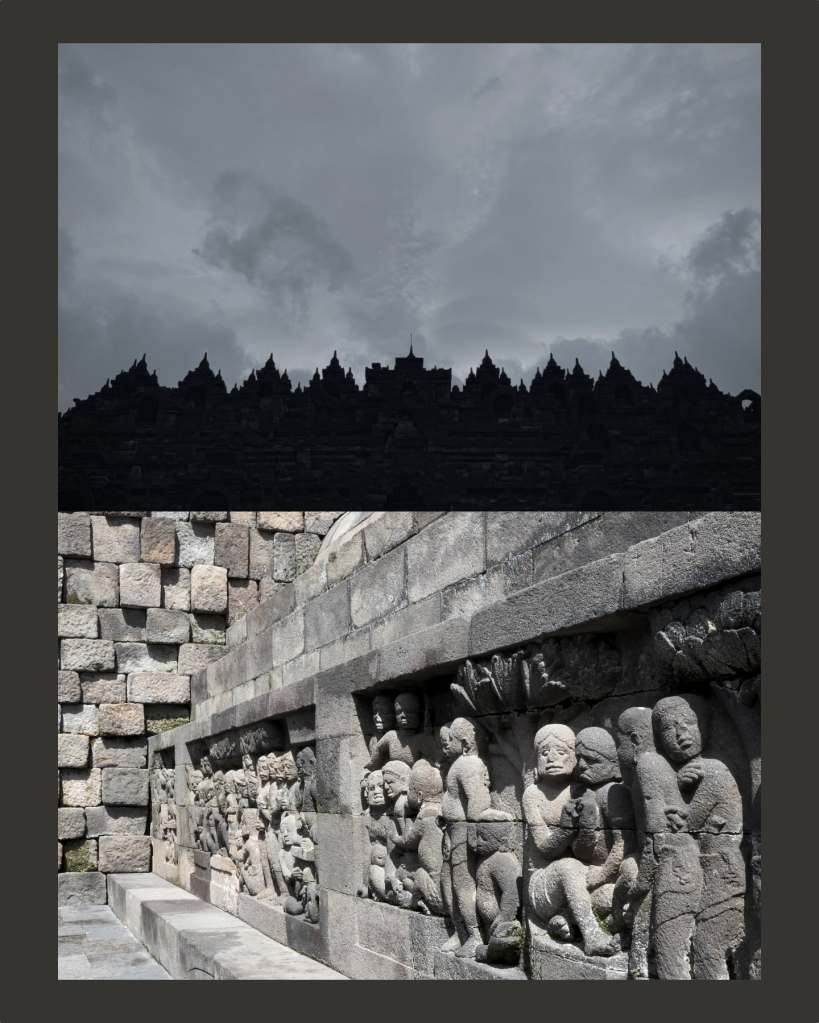
Despite having seen many photos of Borobudur, it was only when I stood before it in person that I grasped the scale of this monumental structure. It evoked a deep sense of awe, reminding me of archeological sites such as the Angkor temples. Thousands of labourers toiled to build them while craftsmen carved sculptures and intricate reliefs across their vast surfaces. Elephants were used to transport the heavy Andesite volcanic stones to the site for Borobudur.

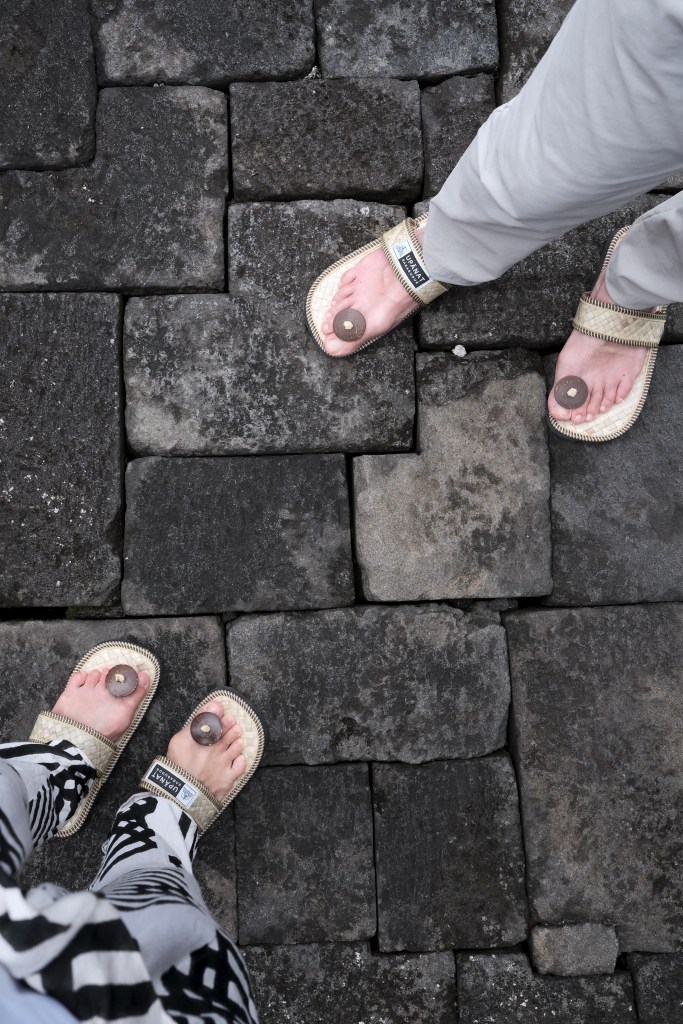
I was also impressed by the ingenious interlocking stonework technique – there’s no cement or screws holding the hefty blocks together, yet they have withstood the test of time and survived numerous earthquakes.
Stories Abound
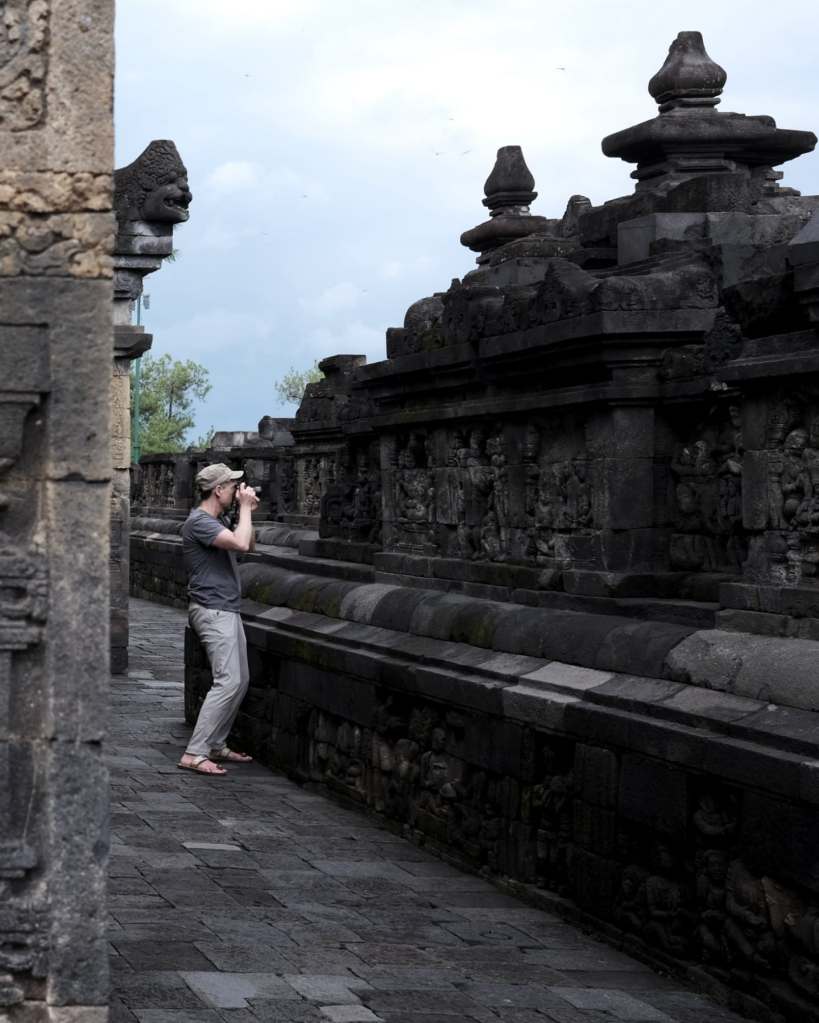
Our accommodation on the temple grounds included a visit to Borobudur for every night of our stay, allowing us to explore the temple twice during our two-night stay. As one of those nights fell on a Monday – the day the temple is closed for cleaning, we ended up climbing up Borobudur twice the following day, experiencing it in different light and weather conditions.

Last year, several interventions were introduced to conserve this UNESCO World Heritage Site, including visitor quotas and increased fees. Additionally, a post-pandemic rule at Borobudur requires that all visitors be accompanied by an authorised tourist guide. I was amused to observe how each guide infused their personal interpretations of the temple and its history into their narratives. Notably, one guide was insistent that Borobodur is “not actually a temple,” unlike Pawon Temple and Medut Temple, which are part of the Borobudur Temple Compounds.
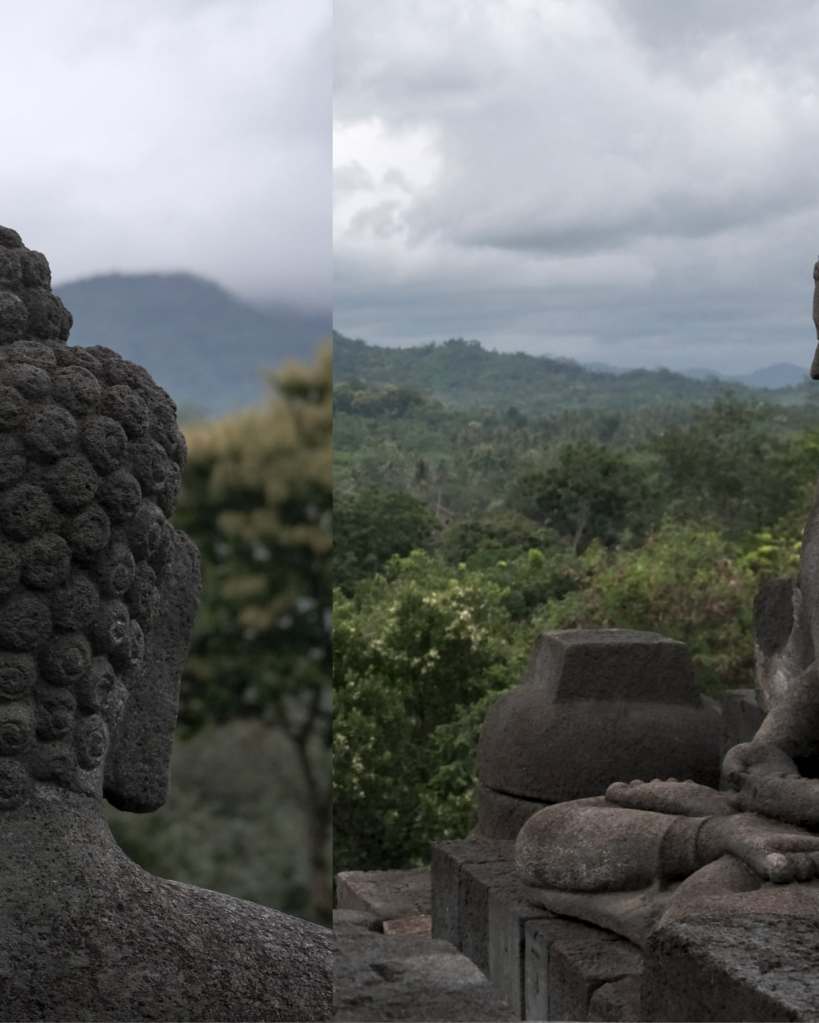
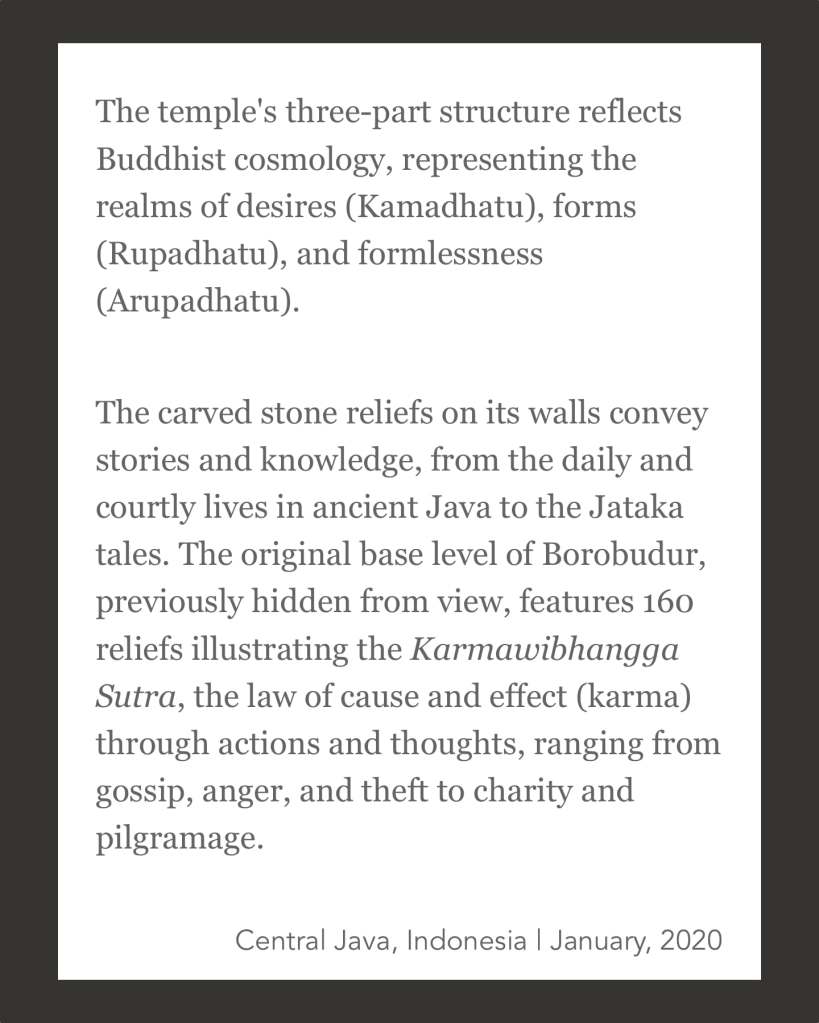
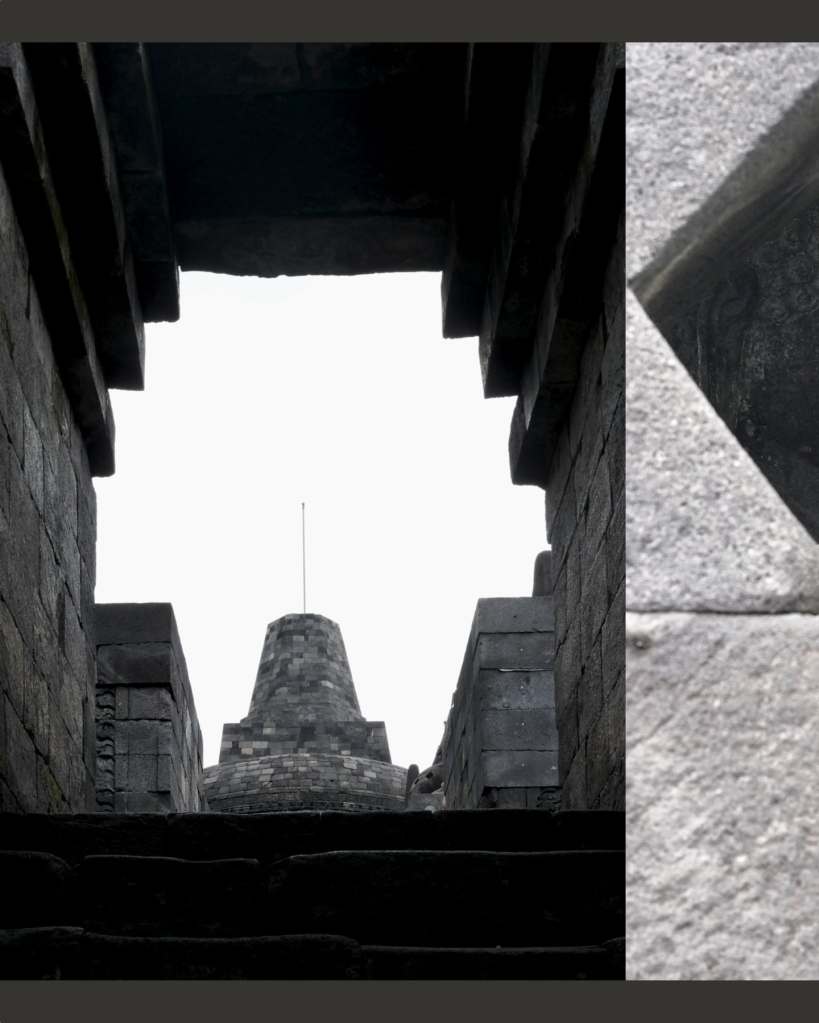
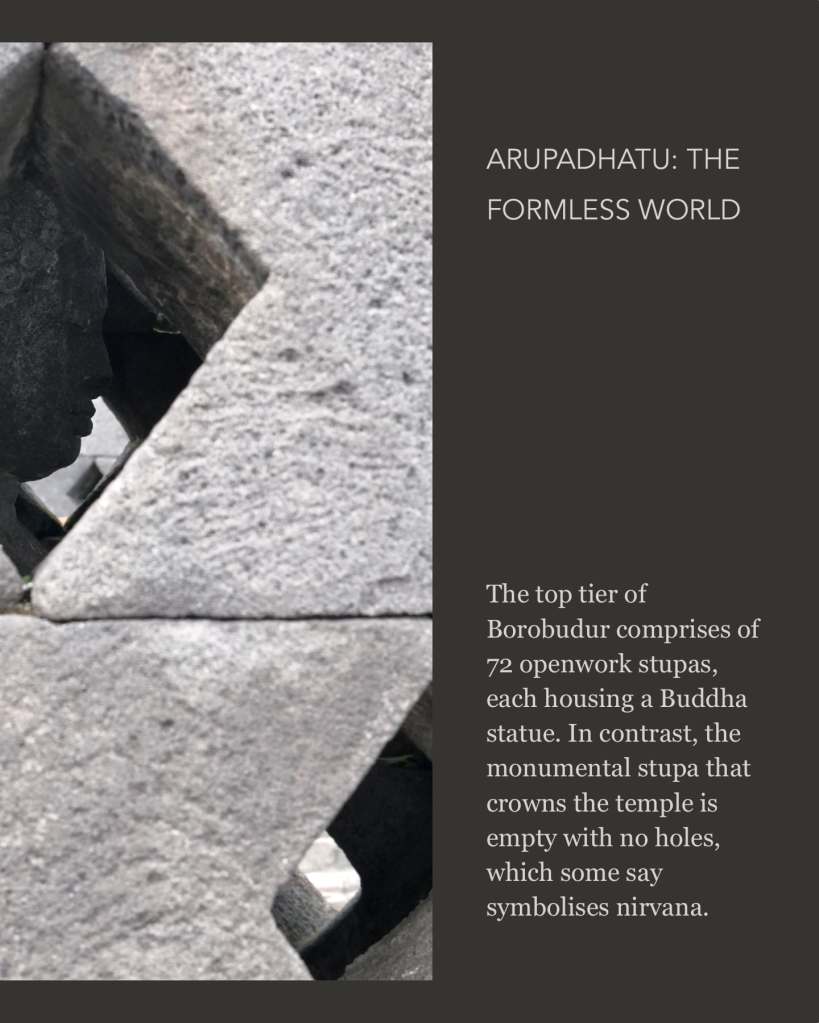
The temple’s three-part structure reflects Buddhist cosmology, representing the realms of desires (Kamadhatu), forms (Rupadhatu), and formlessness (Arupadhatu).


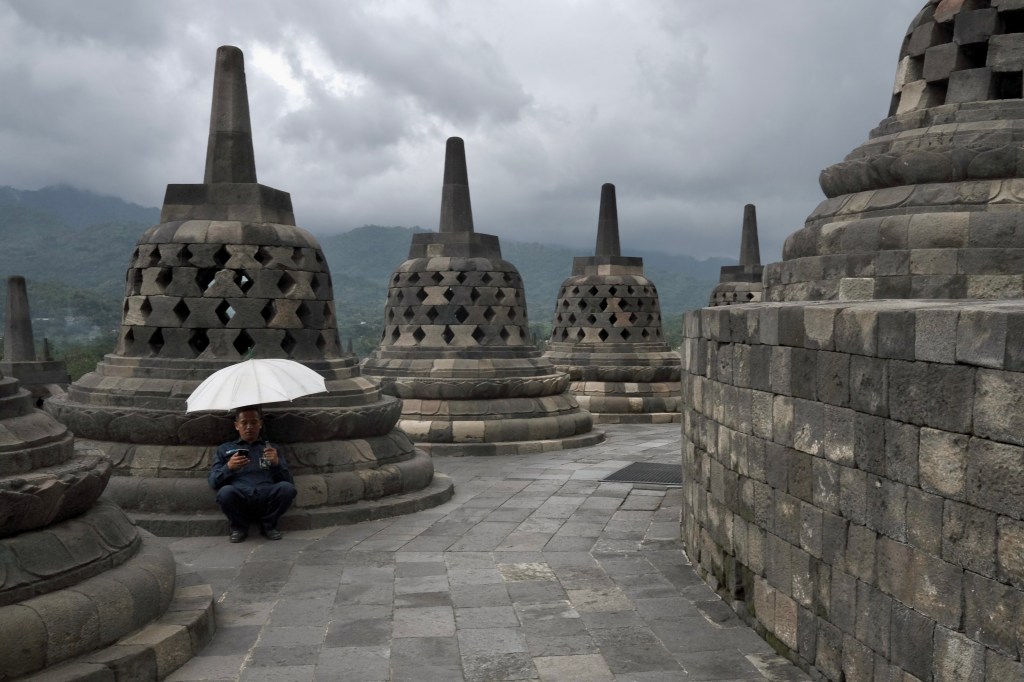
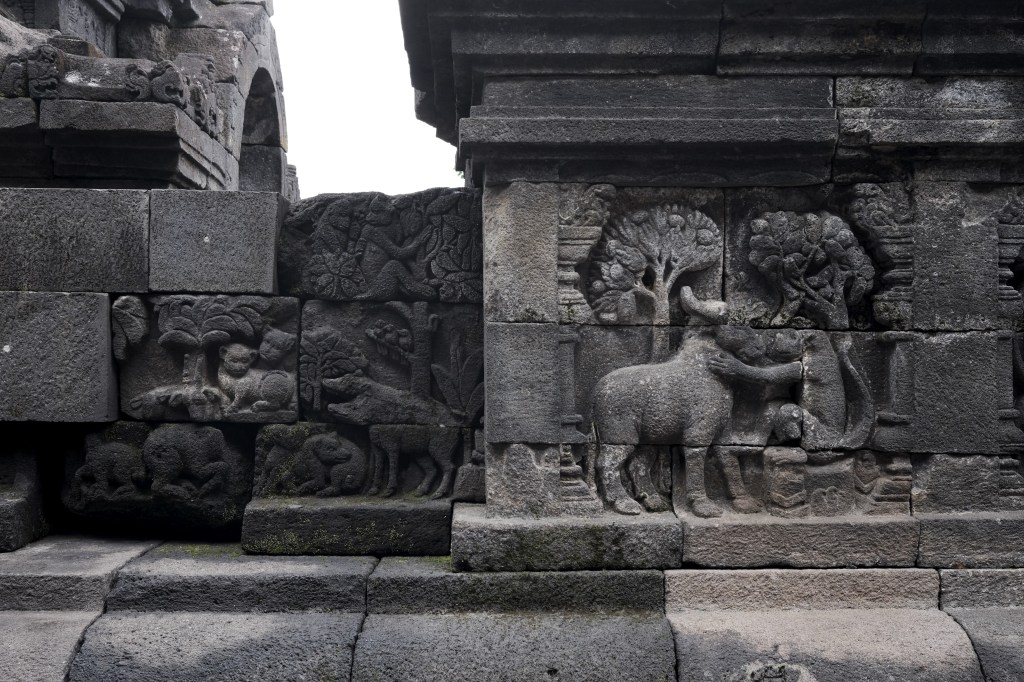
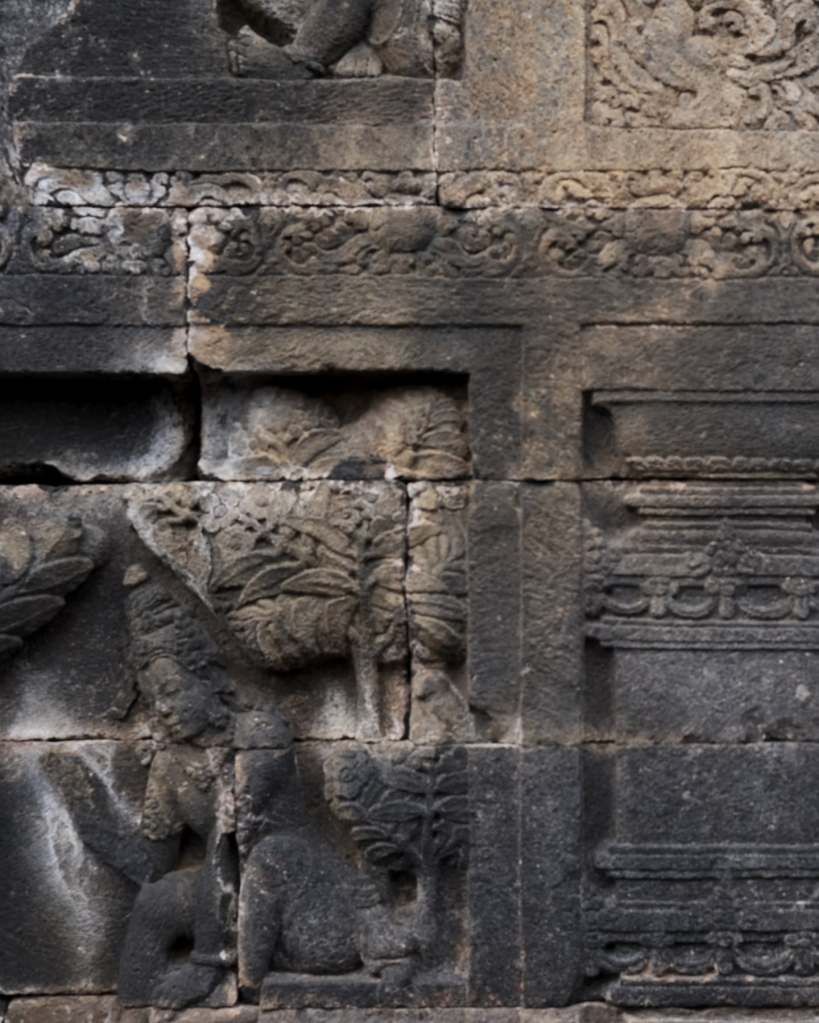
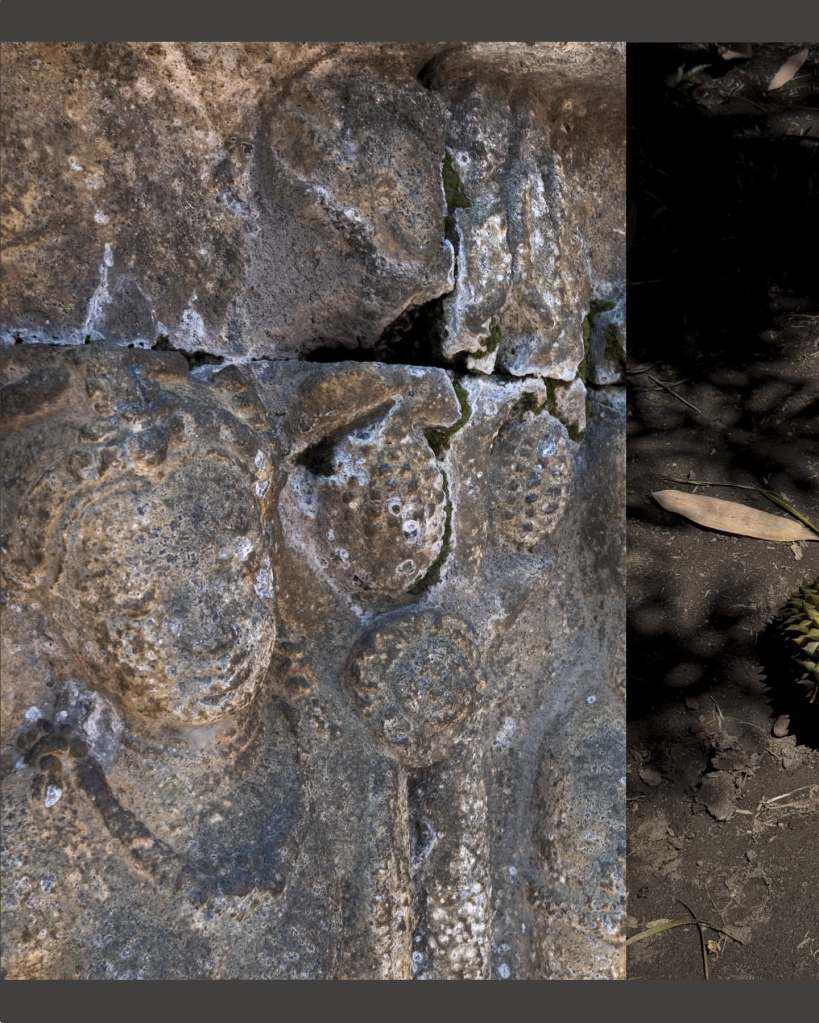
The carved stone reliefs adorning its walls are rich with stories and knowledge, from the daily and courtly lives in ancient Java to the Jataka tales. The original base level of Borobudur, previously hidden from view, features 160 reliefs illustrating the Karmawibhangga Sutra, the law of cause and effect (karma) through actions and thoughts, ranging from anger and theft to charity and pilgramage.

Where to Stay
We stayed at the Manohara Borobudur Cultural Center, the only accommodation within the temple grounds. The establishment was undergoing renovations and only five hilltop cottages were available. Due to the low season, we were the sole guests when we arrived in the evening. Fortunately, the restaurant kitchen was still opened, and we filled our stomachs with gado-gado and chicken soup, followed by a sweet, salty, and savoury banana dessert.

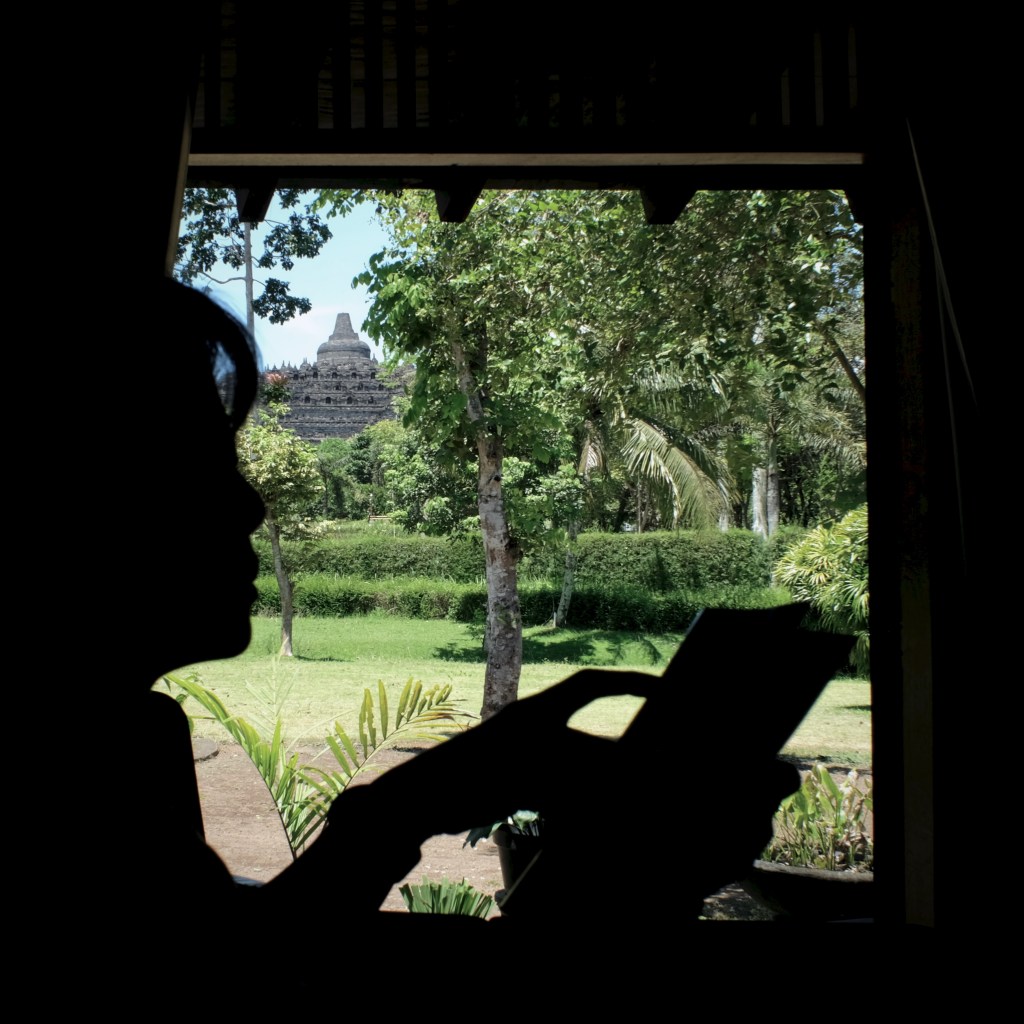
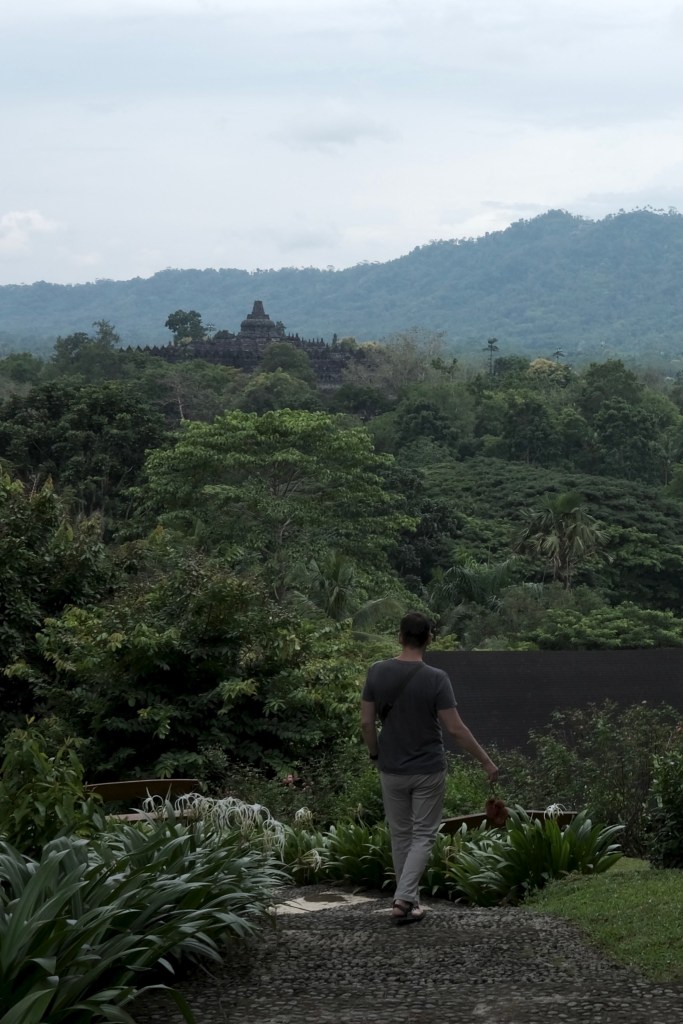
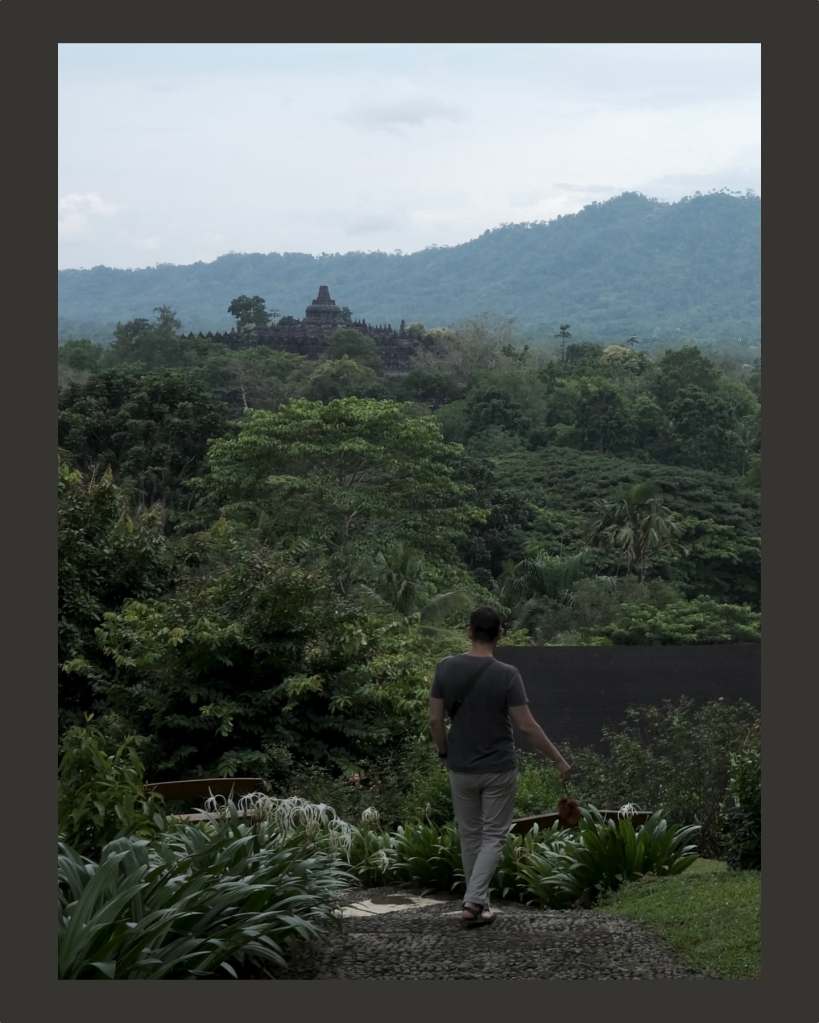
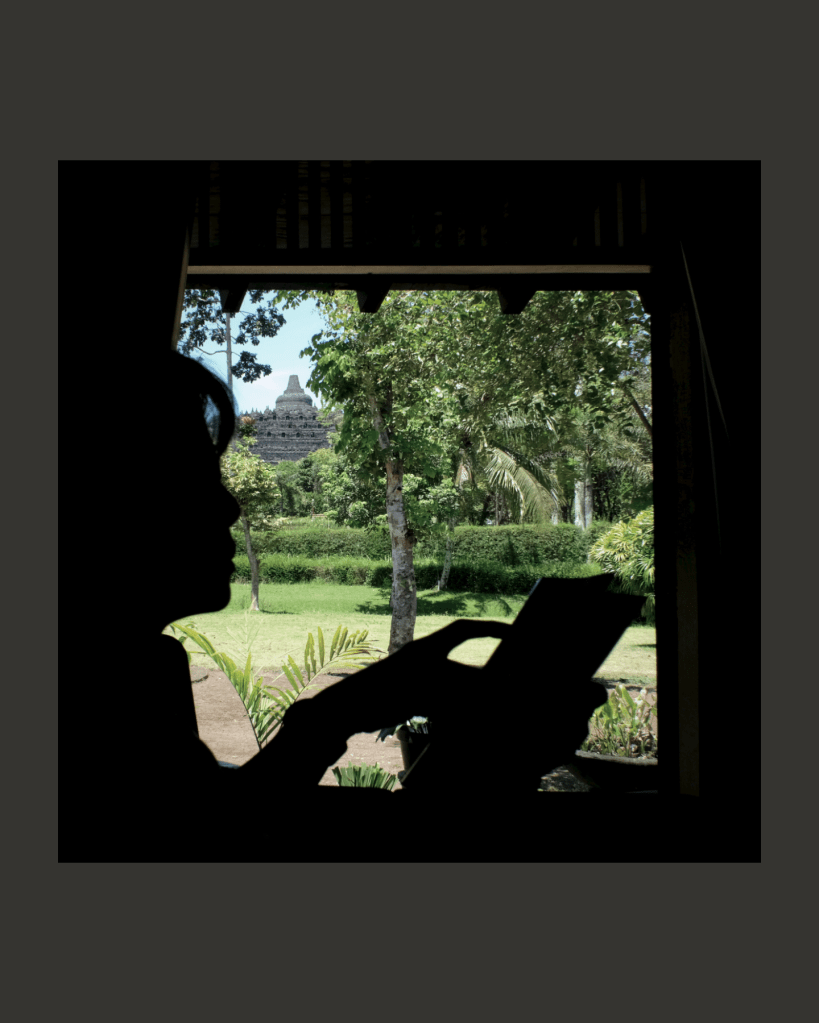
After dinner, we were driven up Dagi Hill to our cottage. As it was dark, we couldn’t see much except for the silhouette of the hilly landscape dotted with trees. A bright light glowed in the distance. Could that be Borobudur? Squinting hard, we still couldn’t be sure, so out came the binoculars, and indeed, it was Borobudur right before us.

The next morning, I was woken by the Fajr prayer at 4:20am. I had barely slept, as the quiet of the night was disrupted by geckos. With no hope of falling back asleep, I rolled out of bed. It was a foggy, drizzly morning as I crept out of our cottage. As the melodious voice echoed through the area, the first rays of daylight started to break through the dark sky. There stood Borobudur, shrouded in mist. I didn’t notice the time pass as I stood beneath a tree, mesmerised by the scene unfolding before me.
Nearby, the hotel staff were setting up a breakfast picnic for a couple who had made the pre-dawn drive from Yogyakarta for a sunrise experience. Thanks to AB’s foresight to stay at Manohara, we could relish this magical moment with minimal effort.

STORY IN A CAROUSEL
 Angelina Hue
Join the Conversation