Fact: Women samurais existed, once upon a time. The onna-bugeisha was a type of female warrior who fought alongside her male counterpart in feudal Japan.
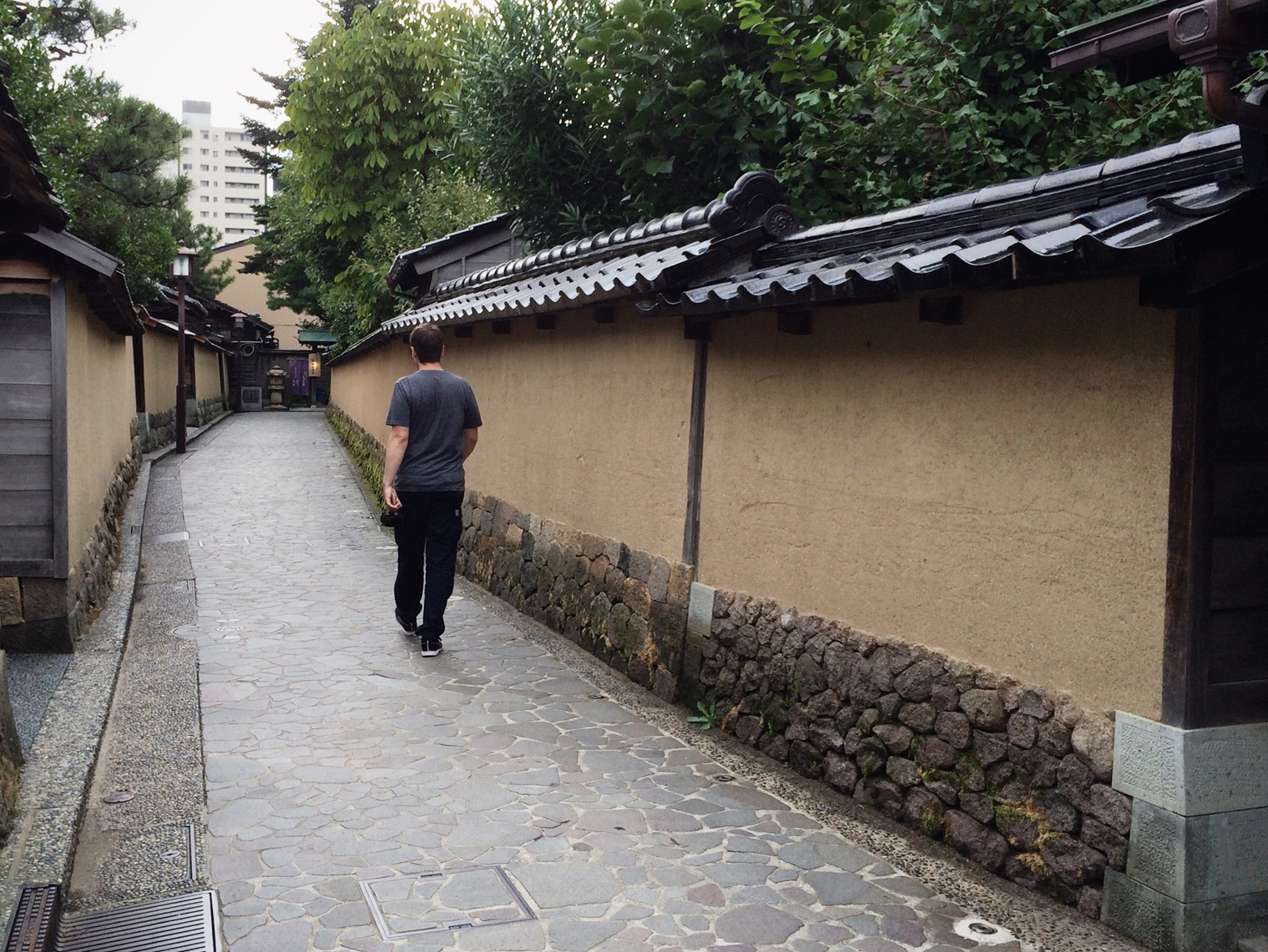
When we were in Kanazawa, we visited the Nomura Samurai House 武家屋敷跡 野村家. Located in Nagamachi, which is one of the older districts of Kanazawa, this was home to 11 generations of the Nomura family for 400 years once upon a time.
The Nomura Samurai House is a lovely and well-preserved example of a traditional Japanese home.
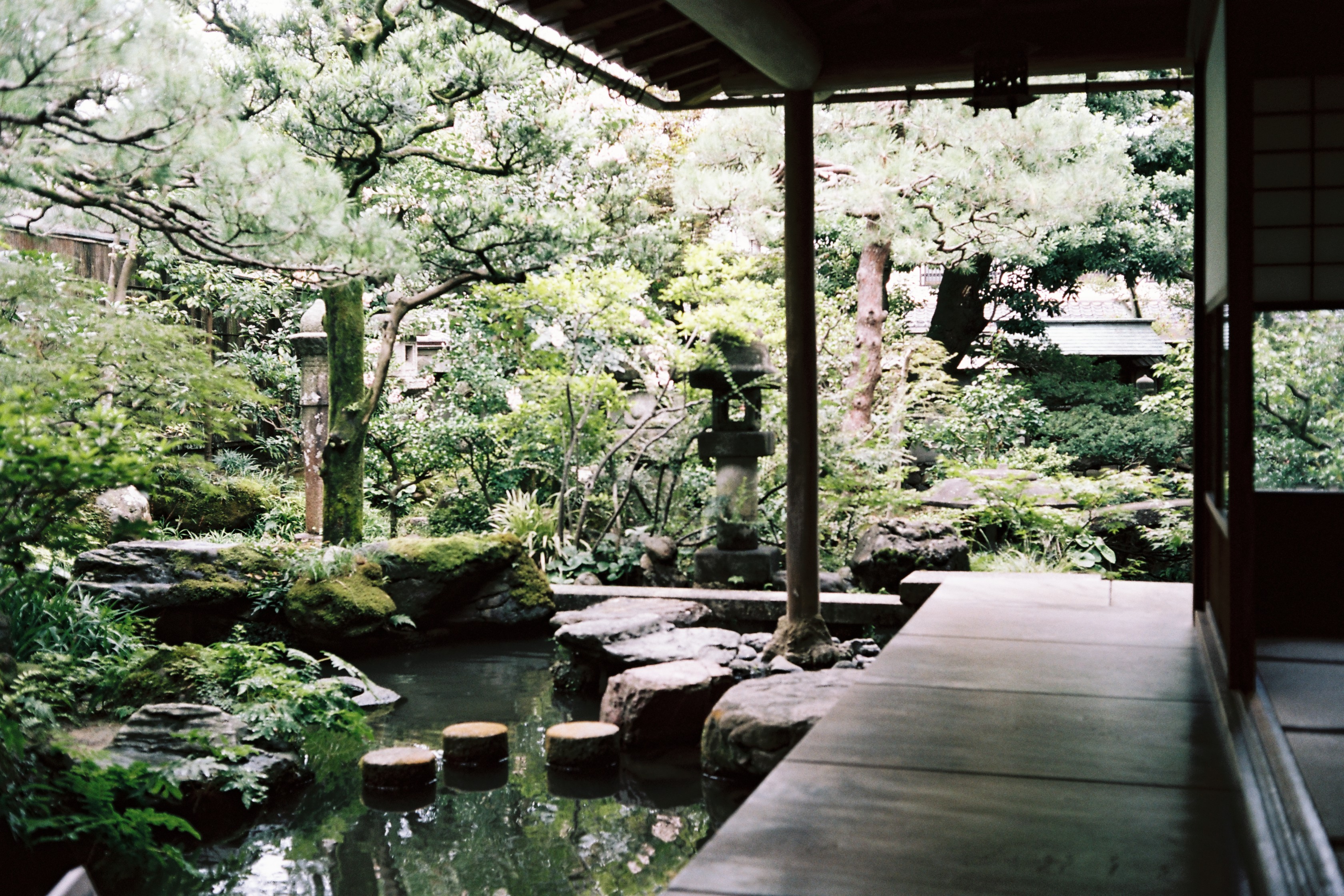
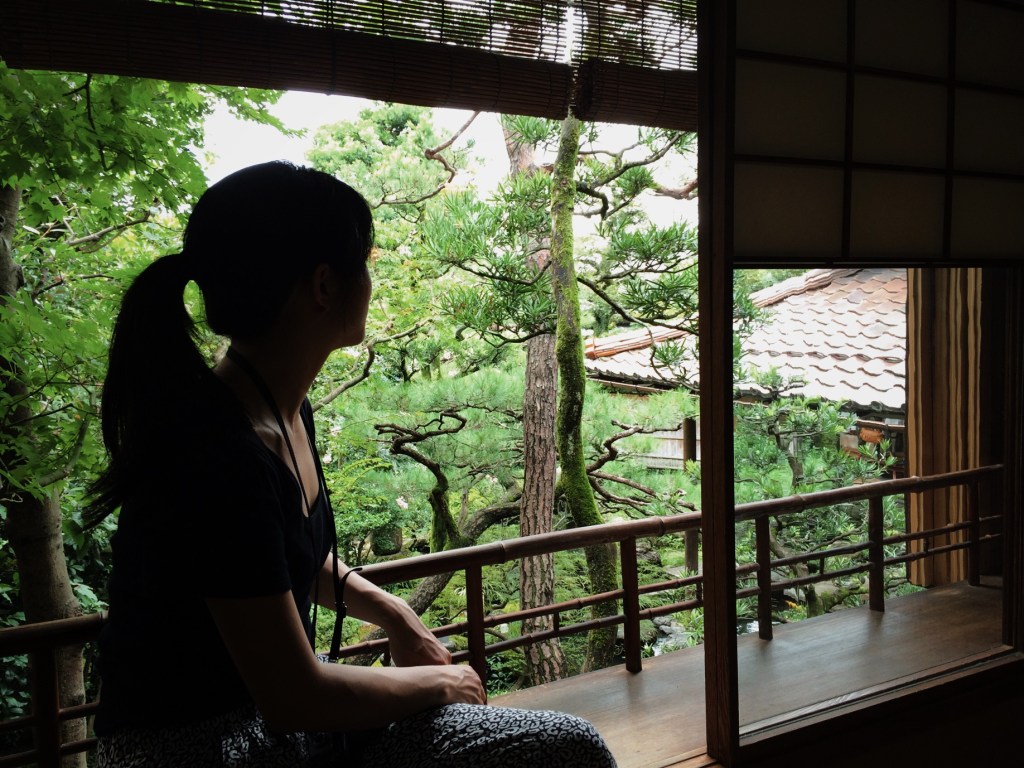
What I appreciate most about the house is the intimate Japanese garden in the heart of the house, complete with a winding stream with carps, stone lanterns, a miniature waterfall, as well as cherry, Chinese maple and pine trees.
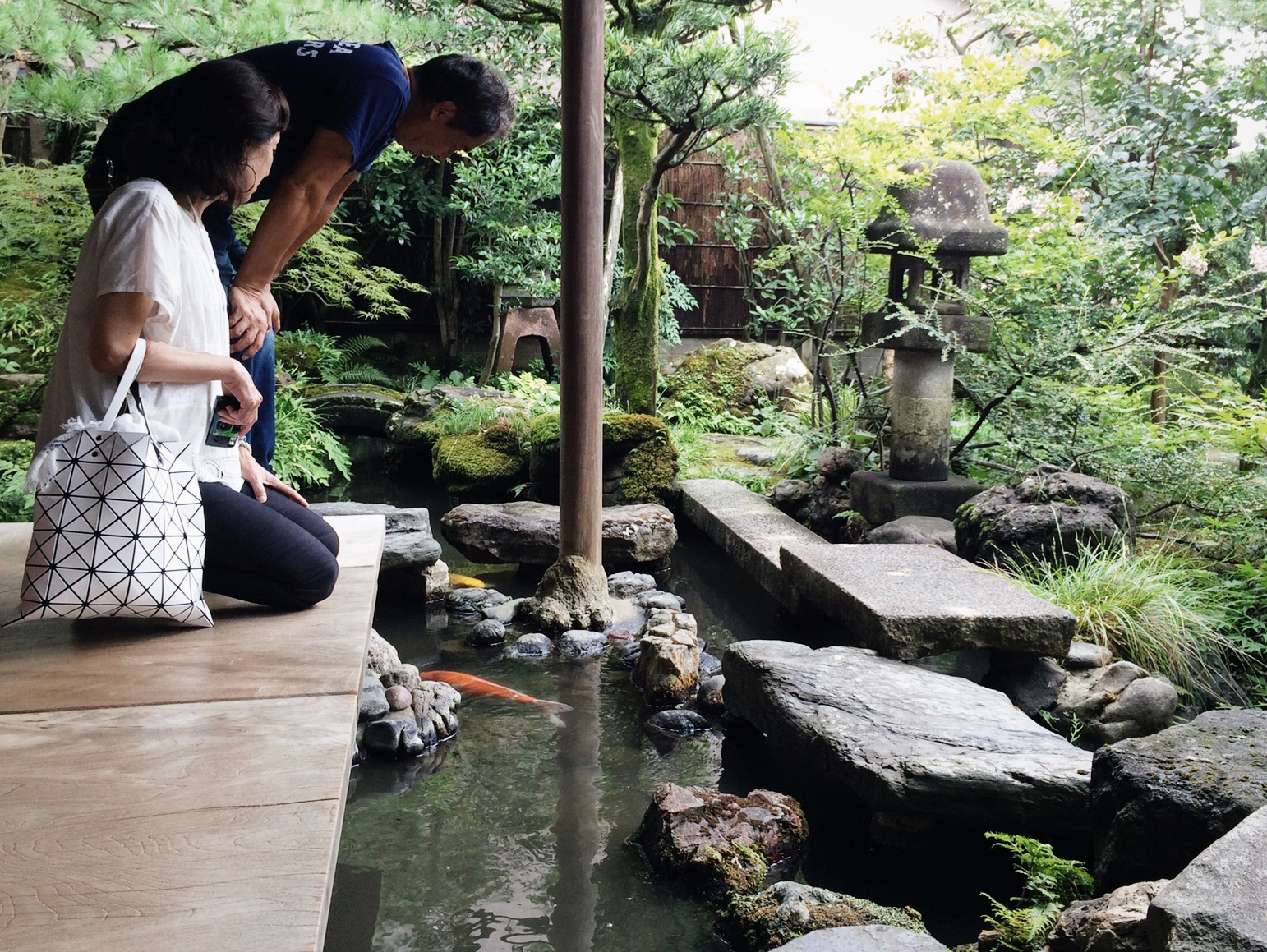
As described in this extensive article in The Japan Times, the garden can be enjoyed from the open-air porch or the tea-room on the second floor of the house. If I lived in a house with a verdant garden like this, I would be incredibly contented to be in such a tranquil sanctuary.
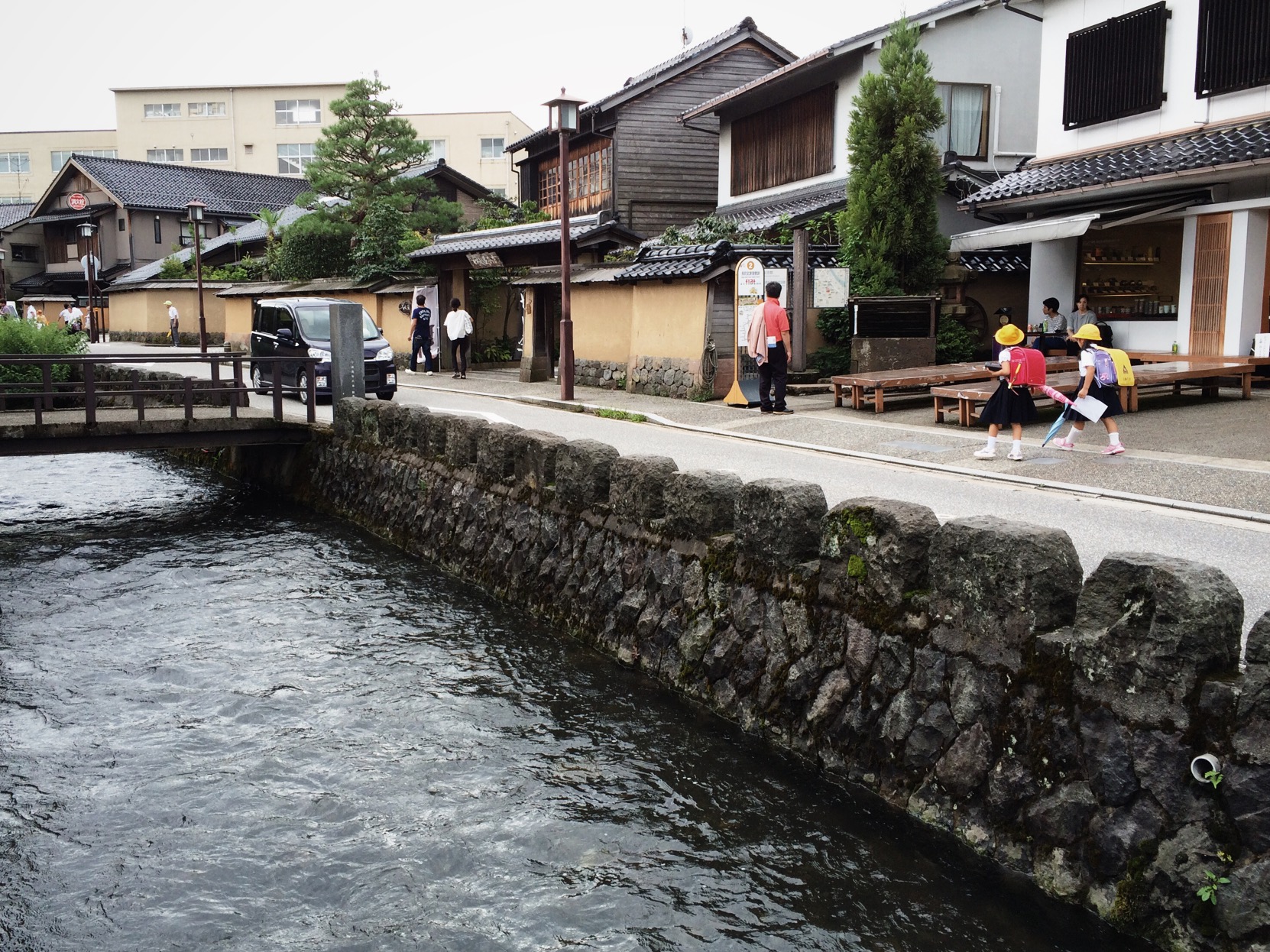
The Nagamachi neighbourhood felt more authentic and charming than the tea-house districts of Nishi and Higashi Chaya which were overrun by tourists and pseudo geisha houses. Walking around Nagamachi, it felt like we were in a historic residential area that has continued its serene pace of life, whereas the geisha districts seemed like they were desperately trying to hold on to its former repute.
I highly recommend visiting the Nomura Samurai House if you are in Kanazawa. This, together with the beautiful Kenroku-en Garden, makes Kanazawa a must-visit for anyone who is interested in Japanese gardens.
For more information, visit: www.nomurake.com.
 Angelina Hue
Join the Conversation