
I’ve been musing about the idea of learning to swim for some time. Well, I took the plunge and signed up for beginner swimming lessons!
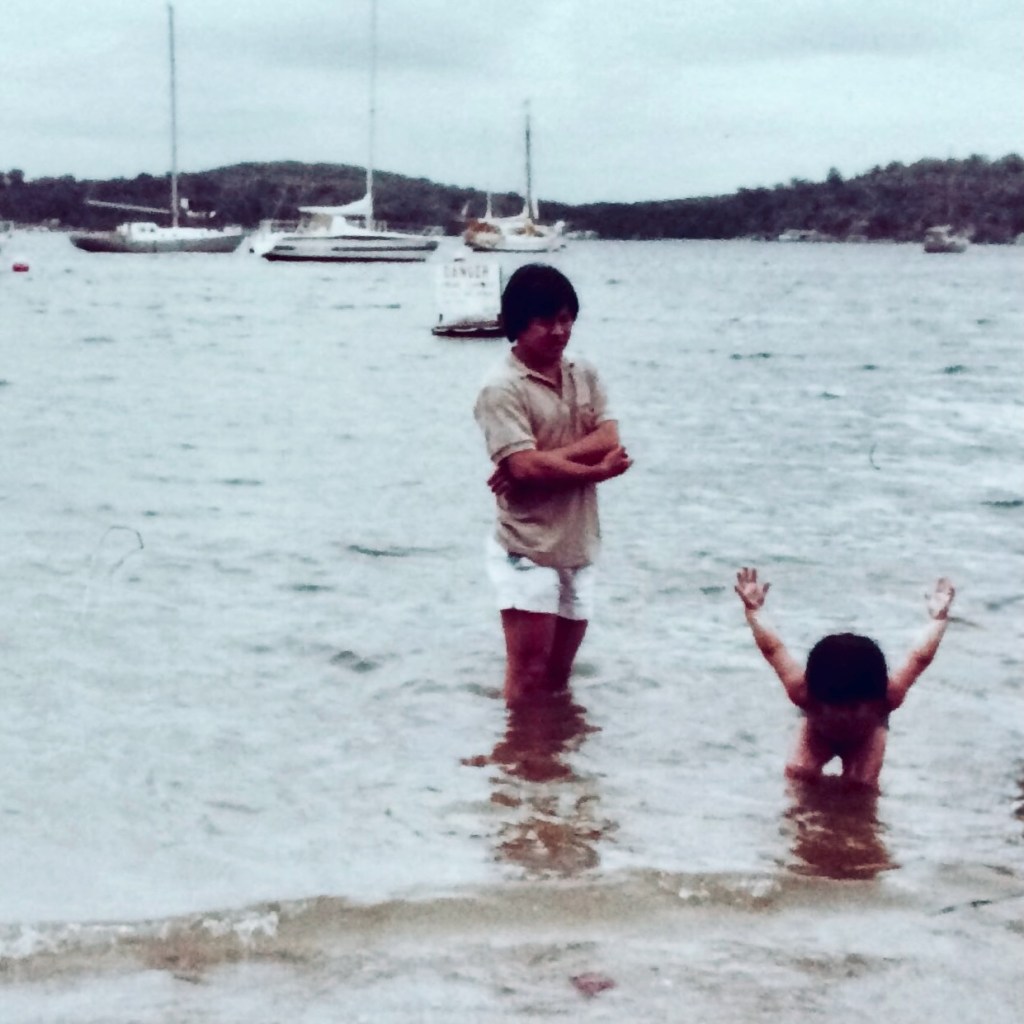
This marks my third attempt at mastering this essential skill. My first go at it was when I was eight or nine years old, attending weekly classes after school. The instructors never addressed my challenges. For instance, my feet would constantly sink, just long enough for my toes to touch the bottom to push me up again. Nevertheless, I was content to splash around and looked forward to eating fried fishballs on a stick after class.

My second attempt came in my twenties when I found a teacher through the Classifieds section of the newspaper. I must have made some progress, as I could mimic the breaststroke and freestyle movements. But I still did not enjoy being in the water, especially when my feet could not reach the bottom. I didn’t practise much afterwards. On the rare occasions when I tried to swim, I would become breathless after just 10 metres.
My partner tried to teach me too. However, actions that seemed easy or intuitive to him, a lifelong swimmer, were not at all obvious to me. After talking to other people, I realised that there might be something wrong with my technique.

After spending several hours immersed in chlorinated waters in recent weeks, here are my reflections:
1. Stepping Out of My Comfort Zone
For two decades, I had identified as “not a water person.” The funny thing is that if you gave me a life jacket, I would happily take part in all sorts of water activities, from snorkelling alone in the Maldives to canoeing in open waters.
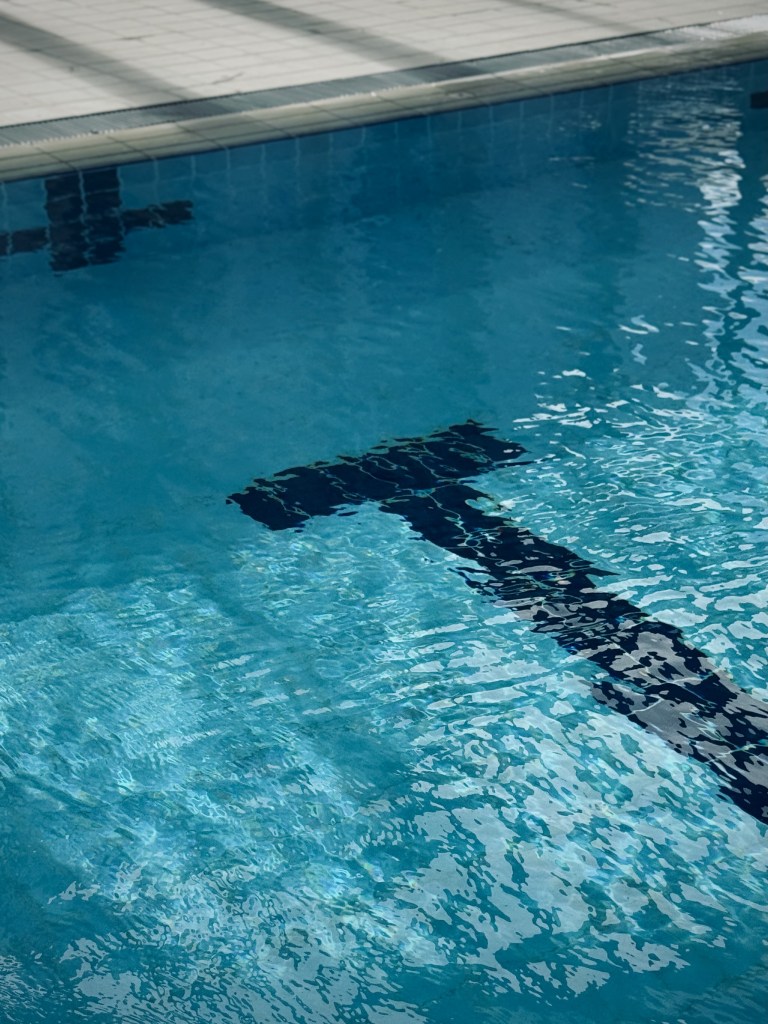
During my recent lessons, I took to warming up in the pool before class—not just to loosen up, but to calm my mind. Some days, it took over 10 minutes for the anxiety of submerging my head to fade. I’ve learned to grant myself the time and space to ease those nerves.
While I may not be able to tread water yet, I can float confidently and have become competent in the breaststroke. In my last lesson, I swam to the deep end and back, which was empowering and boosted my water confidence. I now know that if I ever find myself in deep water, I can navigate my way to safety
2. Less is More
I used to think swimming meant vigorous kicks and flailing arms. I couldn’t have been more wrong!
Swimming doesn’t come naturally to me. To truly learn, I needed to understand the physics of movement in water. Grasping how to move effectively in water has been a game-changer. I now know that to move smoothly for longer, it’s all about using the water to propel me rather than fighting against it. Embracing the flow is key.
3. Mindfulness in Movement
When working, I often found myself perched on the edge of the chair, intensely focused to the point of holding my breath.
Learning to swim has reminded me of the importance of breathing. Deep, slow breathing is known to activate the body’s parasympathetic response (i.e. the rest-and-digest system), helping to reduce stress and counter the fight-or-flight instinct. It’s fascinating to feel my torso rise and dip with each breath, and how a deep inhale can enhance my buoyancy in the water. Being intentional while swimming has being therapeutic, allowing me to concentrate and relax simultaneously.
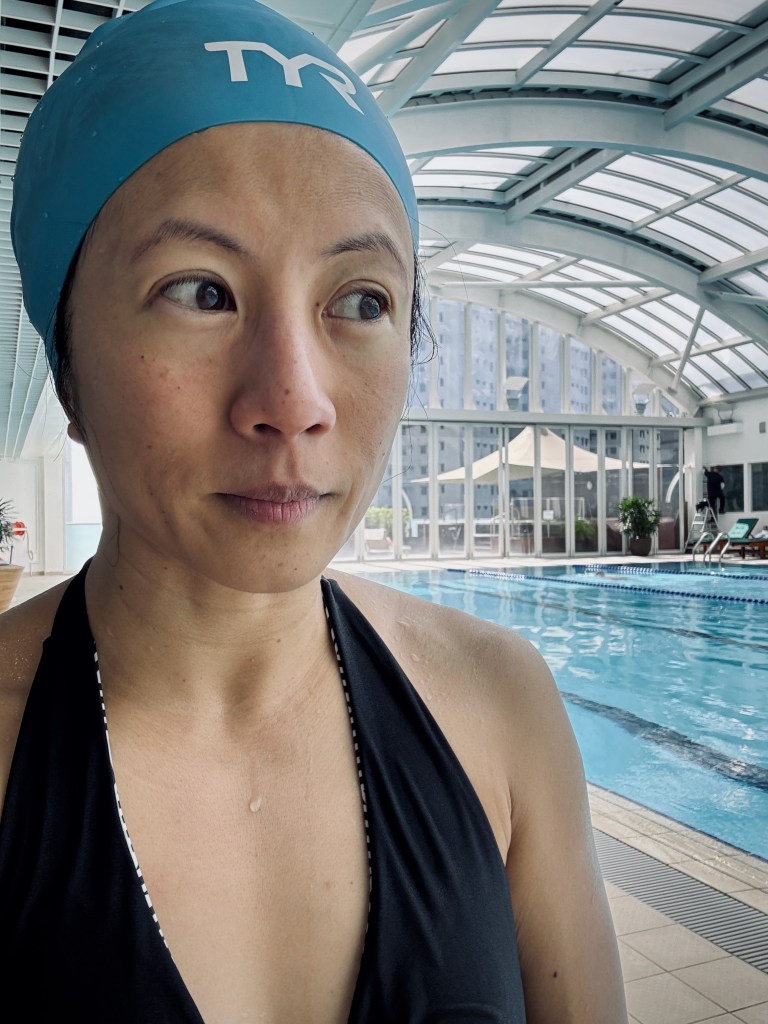
Having just embarked on this swimming journey, I am encouraged by the progress I’ve made and I plan to keep practising. I’m grateful to everyone who has supported me and shared their experiences. I hope that this post would inspires others to take up swimming!
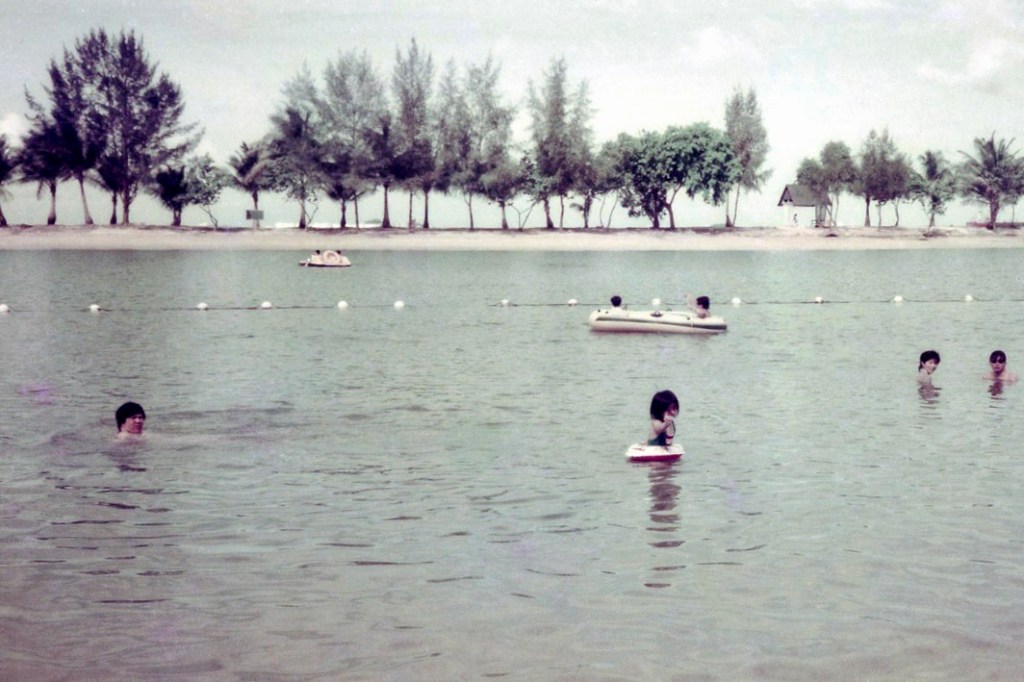
 Angelina Hue
Join the Conversation