
What makes a city more liveable than another?
Several organisations such as Mercer, Monocle and The Economist attempt to measure and compare the cities around us using variables such as personal safety, environment, health care, cultural assets, connectivity, education and green space. Hong Kong has featured in these lists, sometimes ranked significantly ahead of its neighbouring Asian and Chinese counterparts.
Whilst the pollution and crazy expensive housing in Hong Kong are some of the factors that work against it, one of the things that I love about this city is how easy it is to get out and be surrounded by nature. This may surprise visitors as most of them remember the metropolis for its iconic skyline of shiny steel and concrete towers.
Did you know that about 75 percent of Hong Kong, which spans 1,105 square kilometre, is countryside?
There are 24 protected country parks and 22 special areas dedicated to nature conservation which include woodlands, hills, reservoirs and coastline. Plus there are 130 peaks higher than 300 metres and 262 outlying islands.
The majority of the 7.3 million people in Hong Kong are cramped into the remaining one-quarter of the territory that has been developed. Hence the tiny “shoeboxes”stacked sky high that many people call “home”.
This makes being able to take a bus, the metro, a ferry or even just walk away from this concrete jungle into pristine or rustic land all the more liberating.
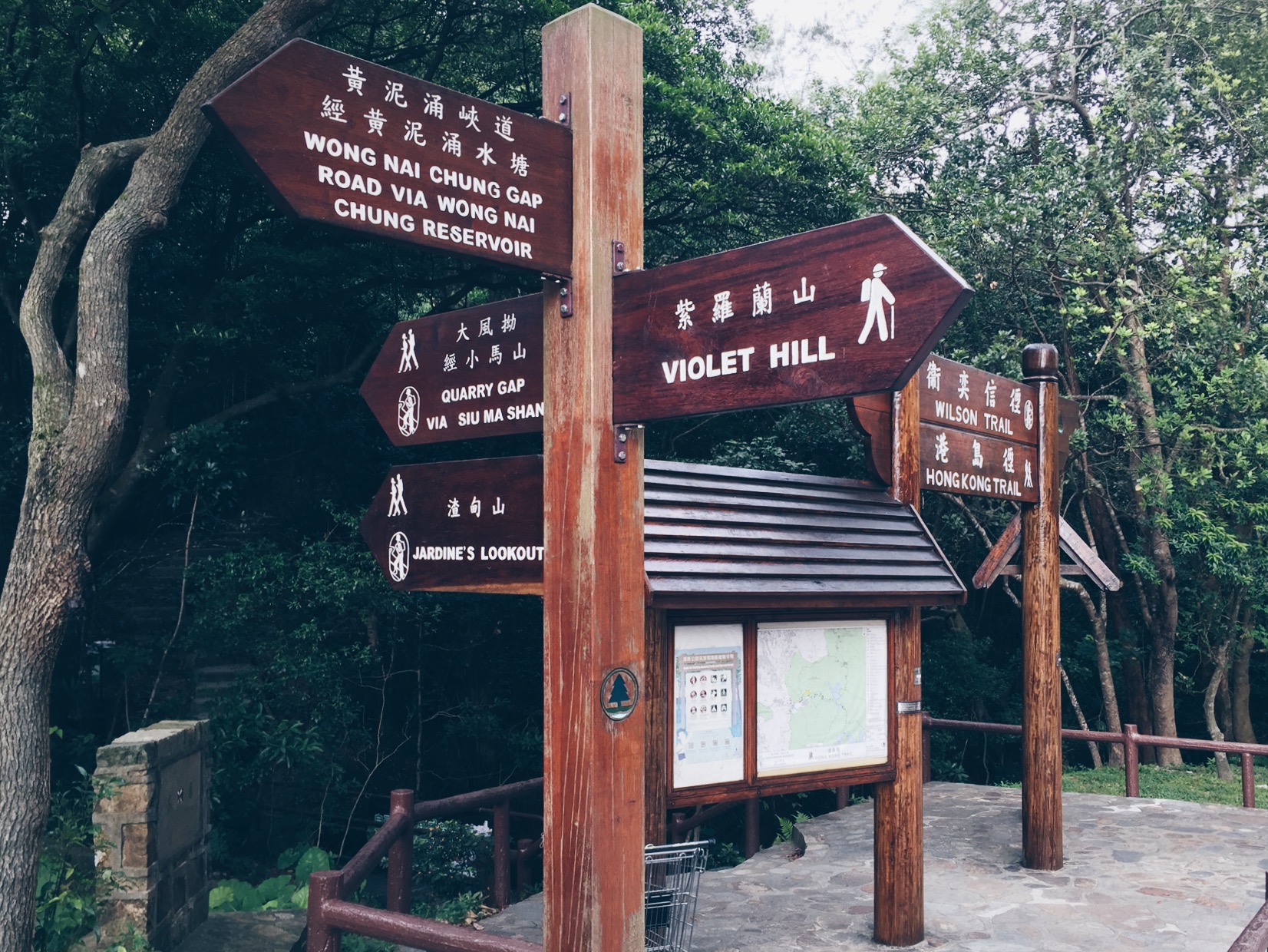
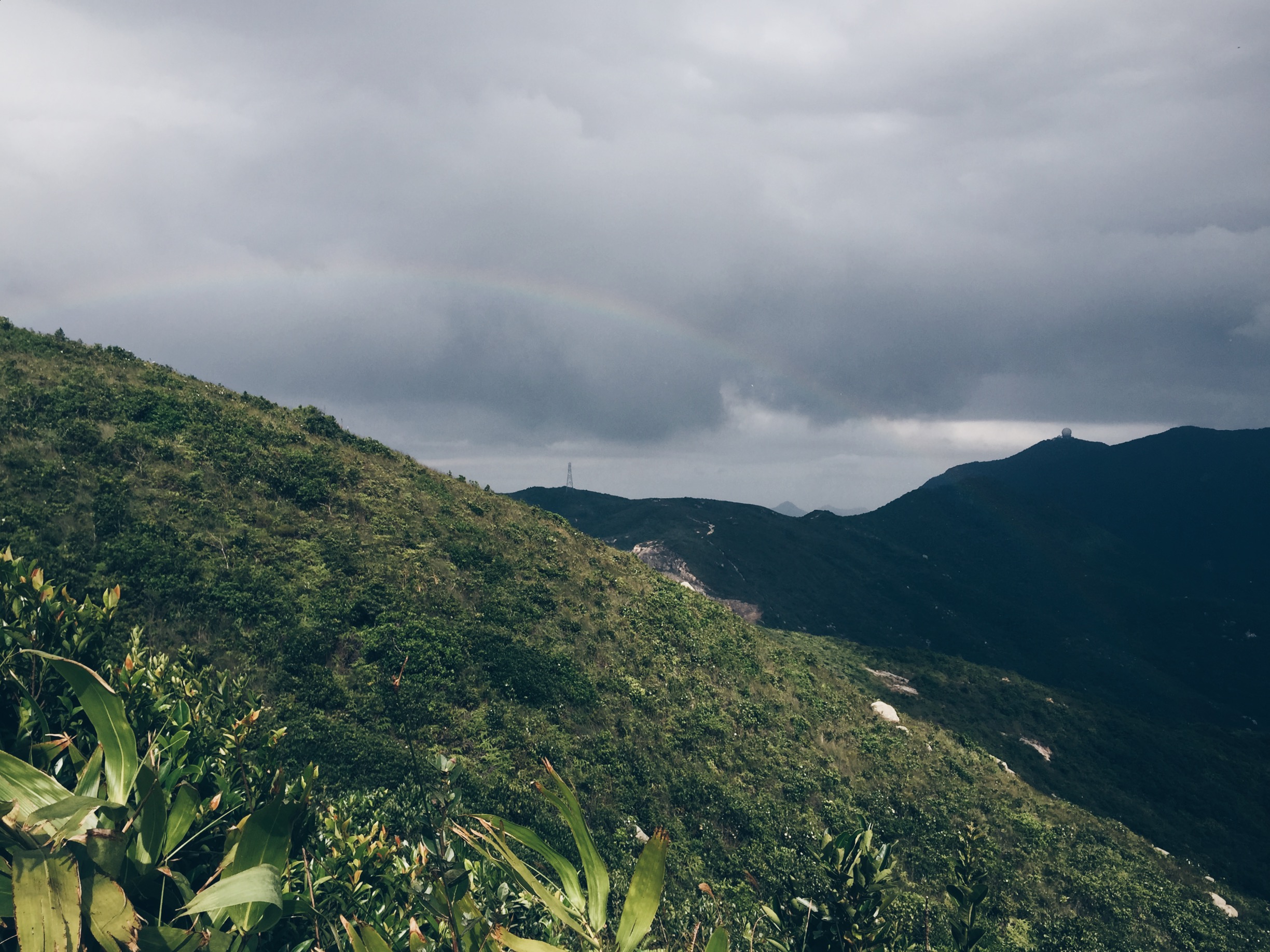
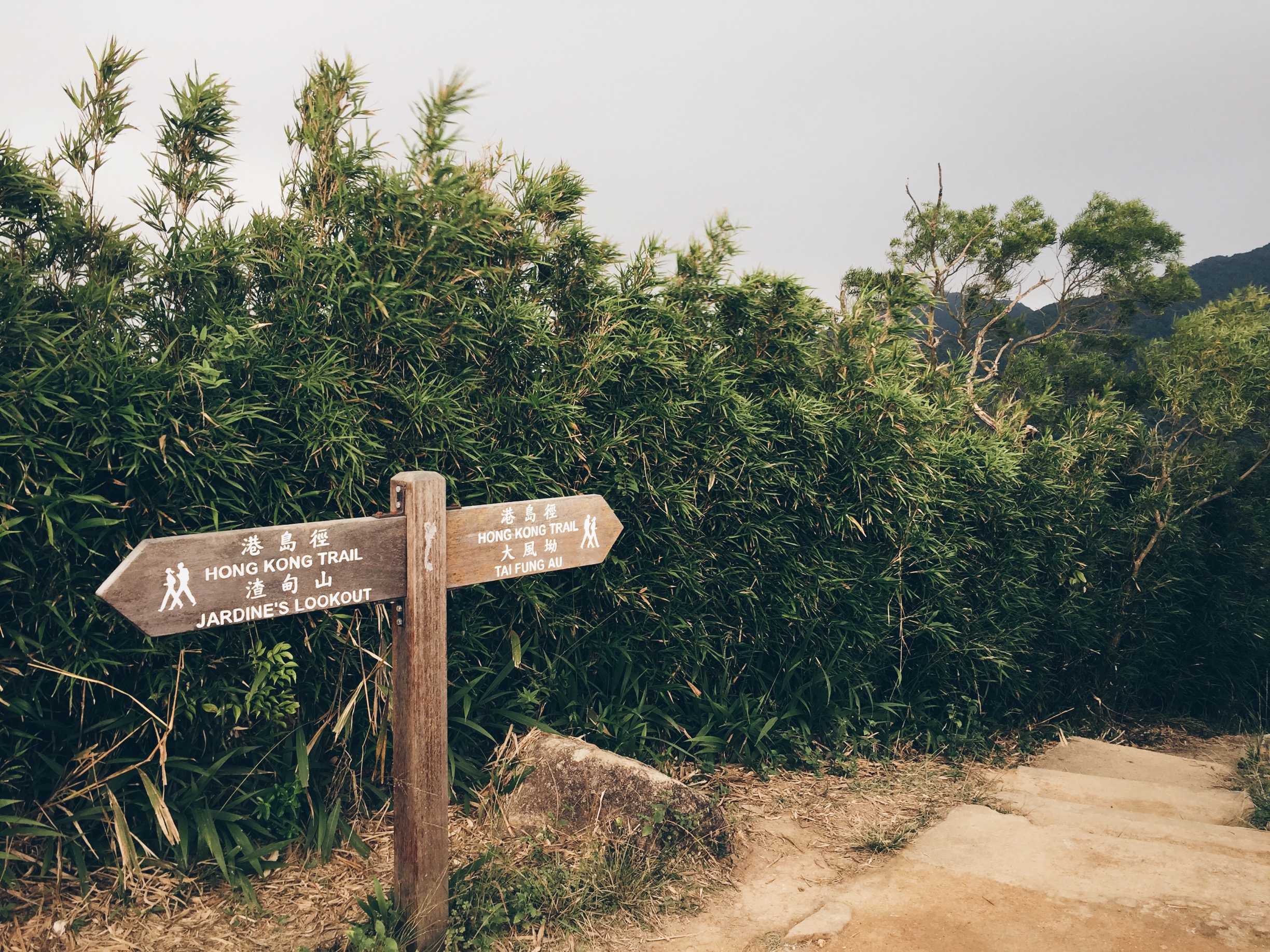
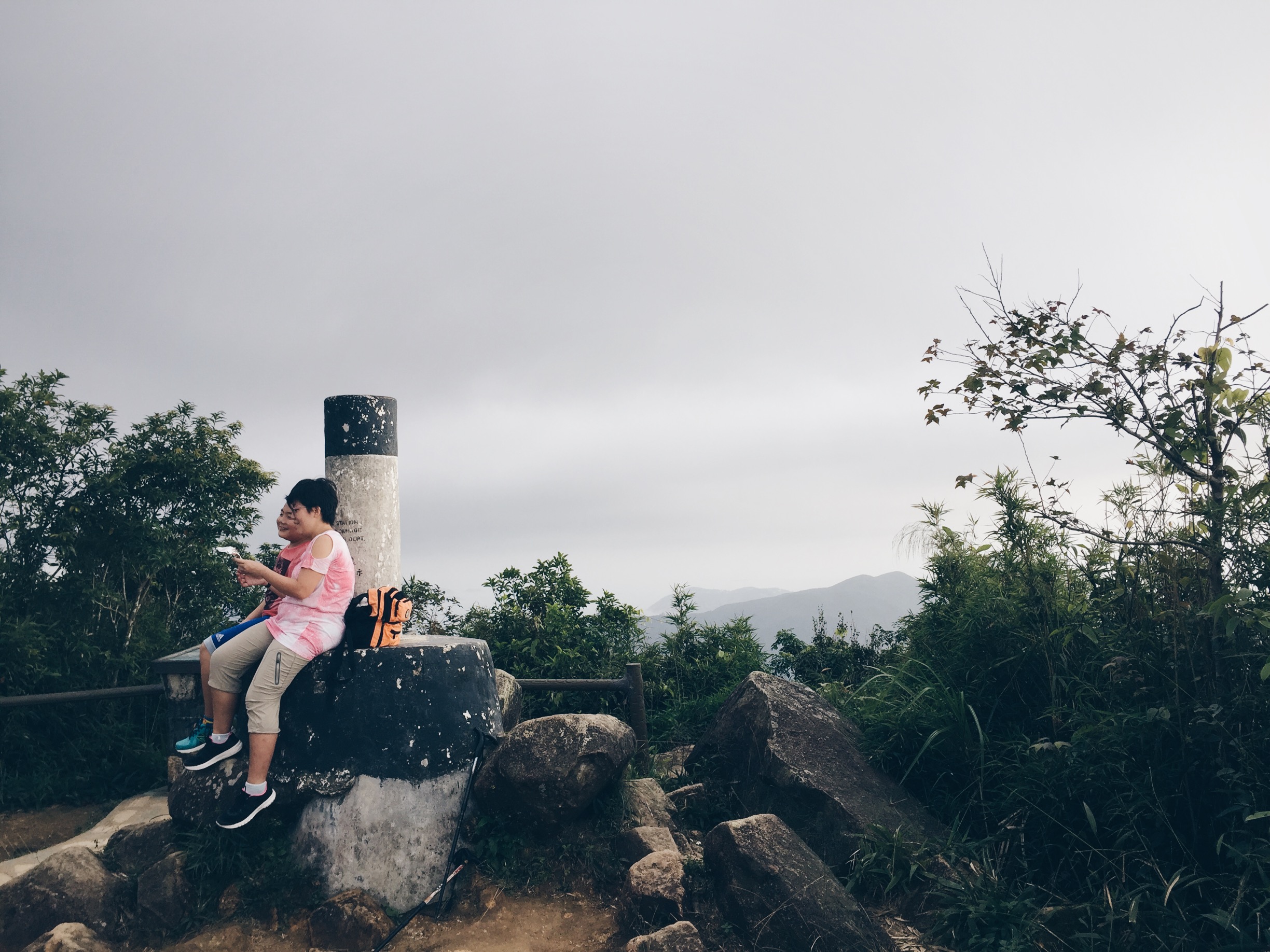
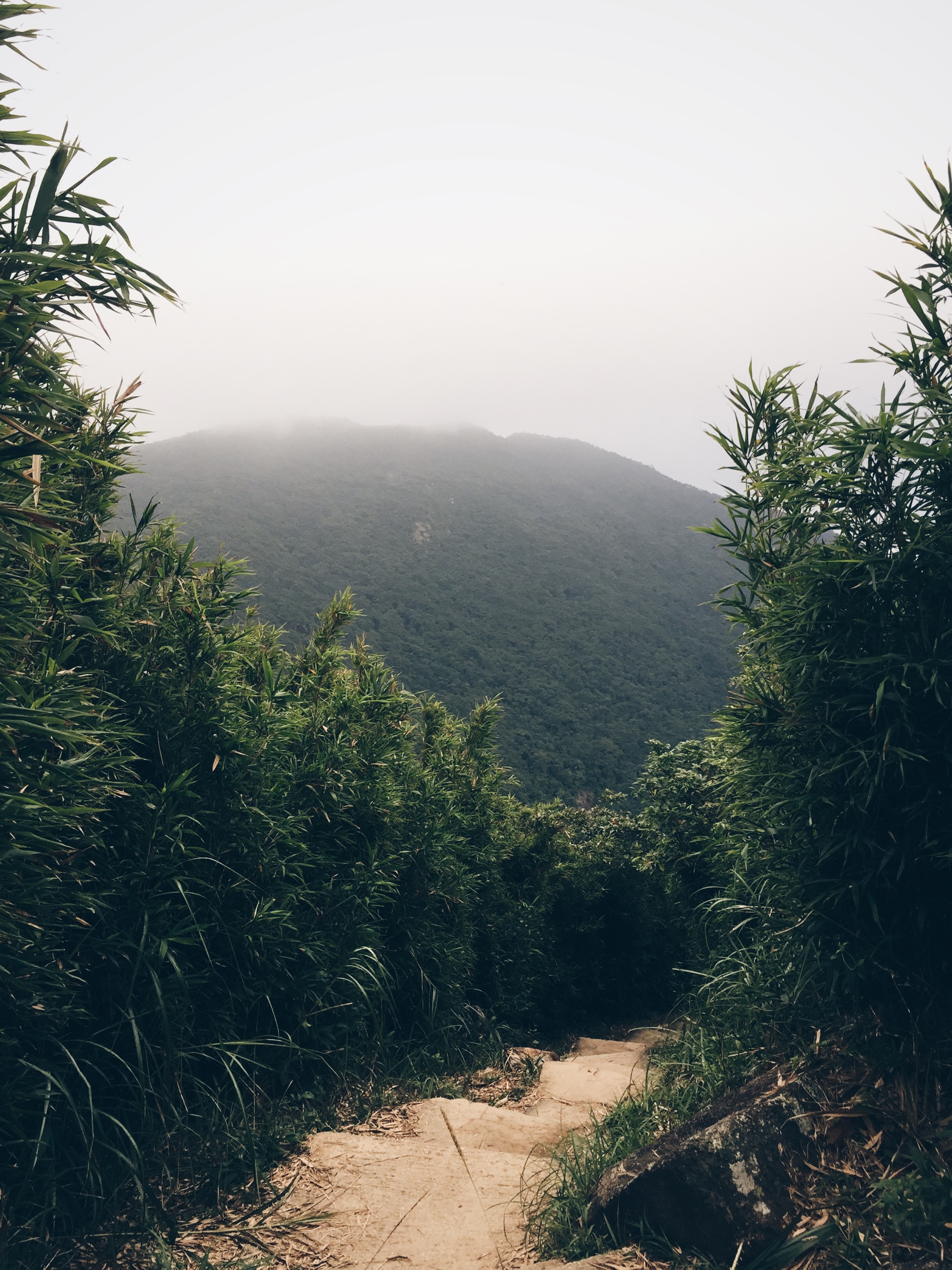
Last month we went on our first hike in Hong Kong since we moved here. We climbed up Jardine’s Lookout and Mount Butler and were rewarded with breathtaking panoramas of Hong Kong Island and Kowloon.
For more information about this route, check out the informative Walk On Hill website.





 Angelina Hue
Join the Conversation